Prime Minister Mark Carney receives red-carpet treatment in Malaysia as Canada pivots away from decades of U.S. dependence toward Asia’s trillion-dollar markets
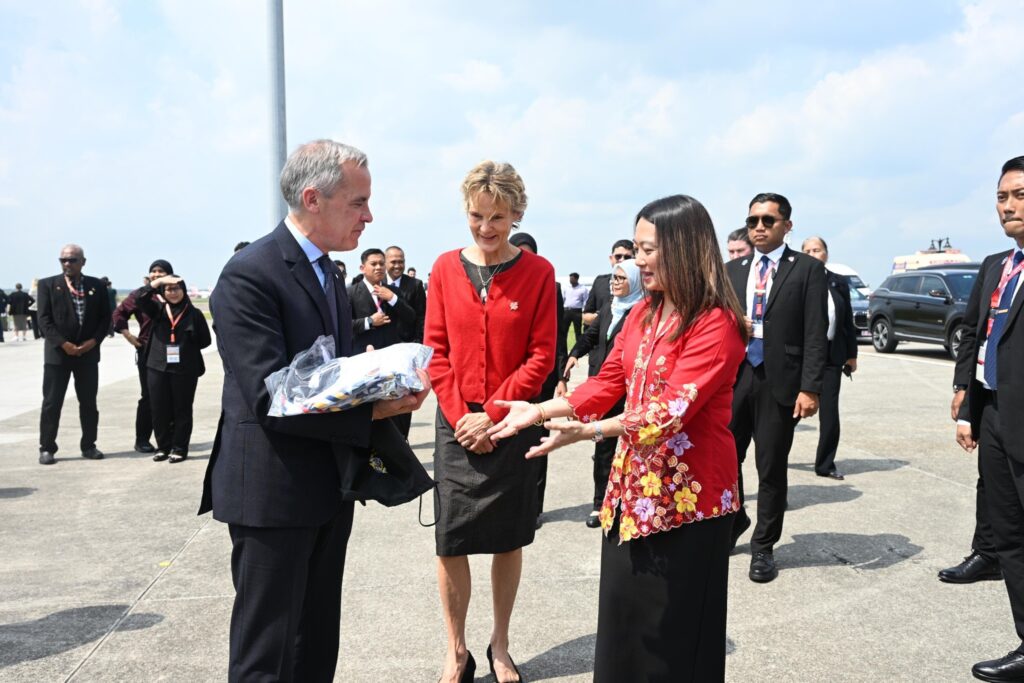
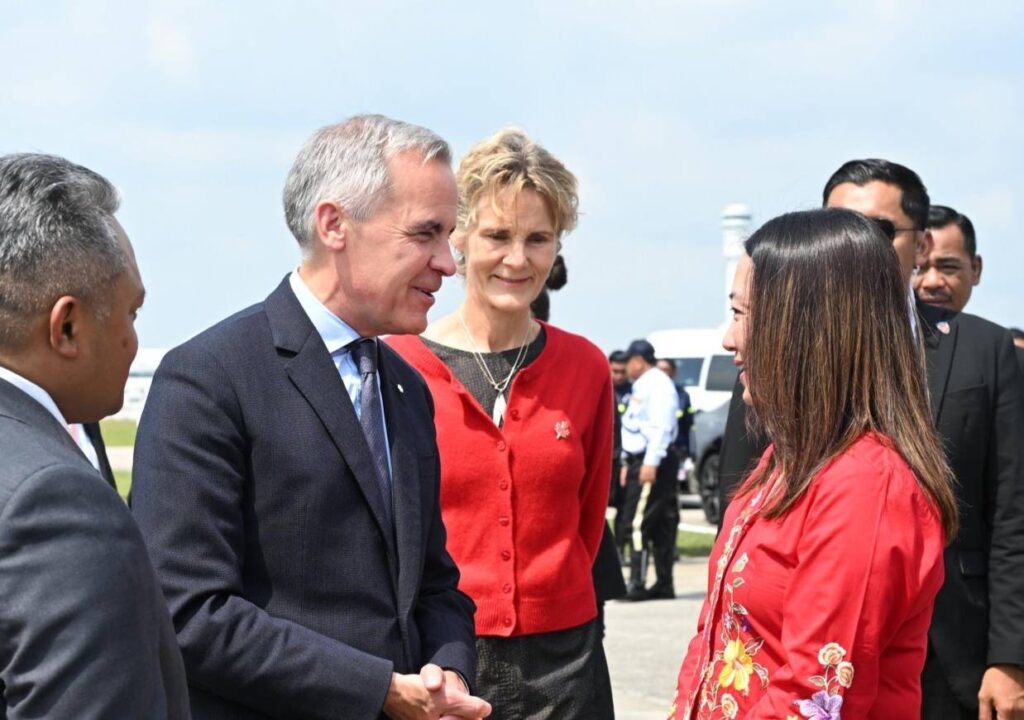
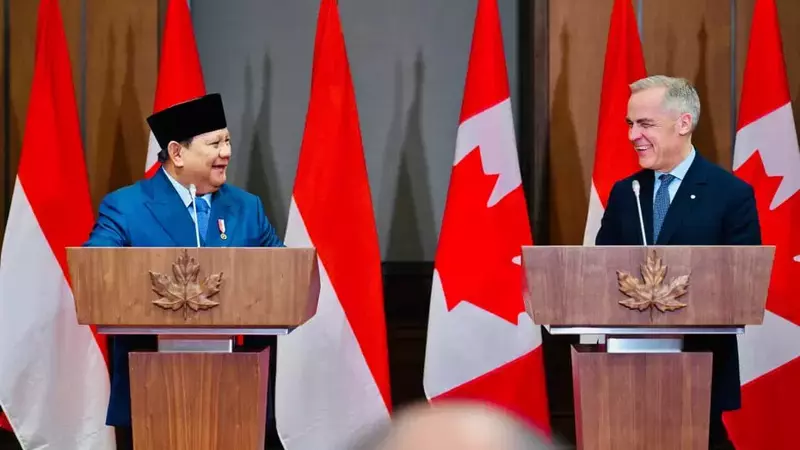
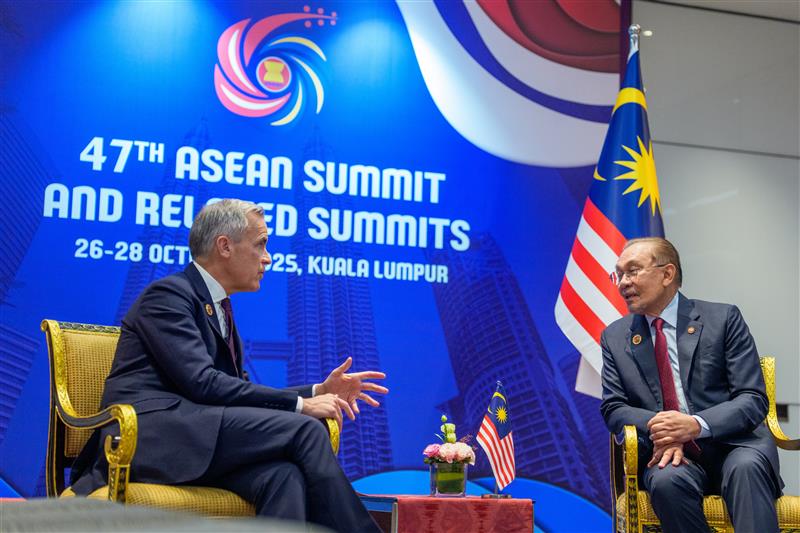
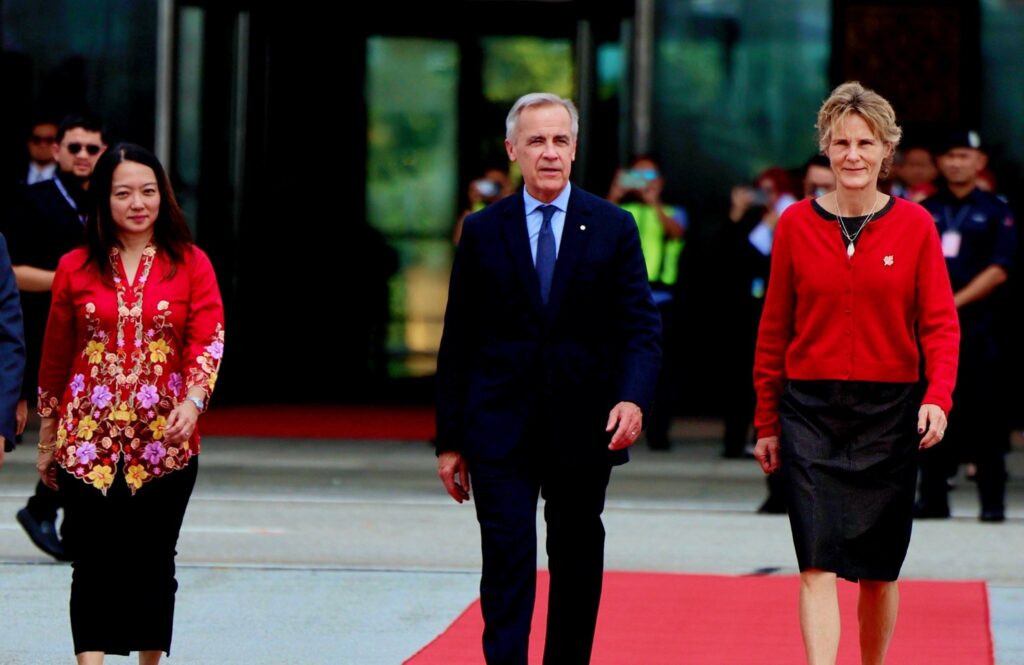
Kuala Lumpur, Malaysia — In a move that signals a seismic shift in Canadian foreign policy, Prime Minister Mark Carney and his wife Diana touched down in Malaysia on Tuesday to a reception befitting a world leader charting his nation’s independent course. The grand welcome at Kuala Lumpur International Airport, complete with traditional Malaysian dancers and a formal guard of honor, wasn’t just diplomatic protocol—it was a statement that Canada has arrived in Asia with ambitions that no longer orbit around Washington.
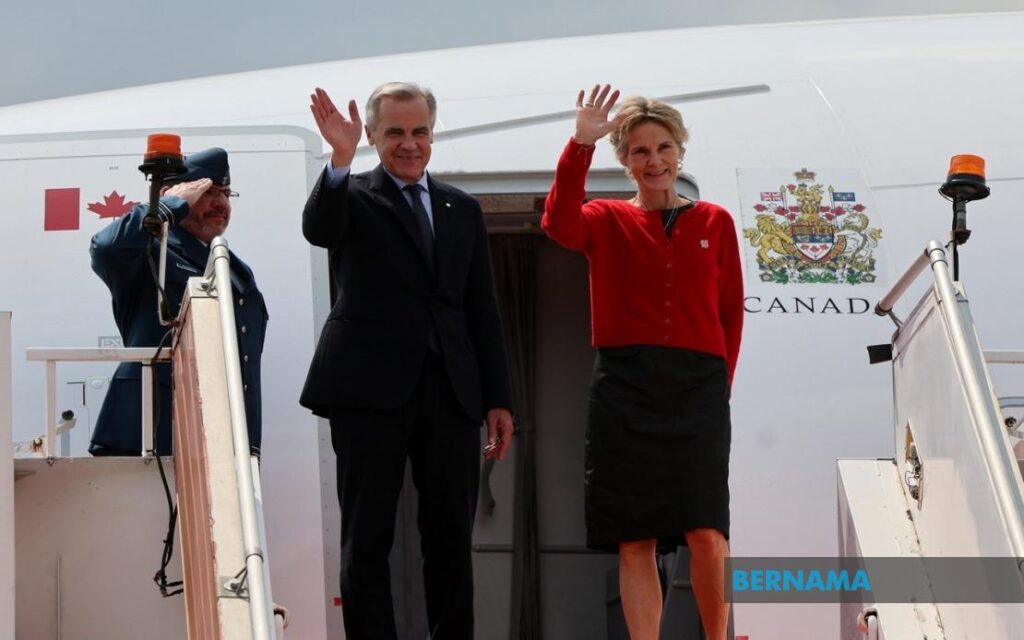
As the ASEAN Summit 2025 kicks off this week, all eyes are on Carney’s strategic positioning. The former Goldman Sachs banker turned political leader has made his intentions crystal clear: Canada will double its exports outside the United States within the next decade. This isn’t merely an economic goal—it’s a declaration of independence from a relationship that has defined Canadian trade policy since confederation.
The End of American Dependency
The timing couldn’t be more significant. With President Donald Trump back in the White House and U.S.-Canada relations strained by ongoing disputes over tariffs, trade agreements, and border security, Carney’s Asia tour represents a fundamental recalibration of Canada’s place in the world. Sources close to the Prime Minister’s office have confirmed that no bilateral meeting between Trump and Carney has been scheduled during this critical period—a diplomatic snub that speaks volumes about the current state of cross-border relations.
“Canada has spent over a century as America’s closest ally and largest trading partner,” noted Dr. Sarah Wellington, Professor of International Relations at the University of Toronto. “What we’re witnessing now is Canada’s coming-of-age moment on the global stage. Carney isn’t asking for permission anymore—he’s announcing Canada’s arrival as an independent middle power with its own strategic interests.”
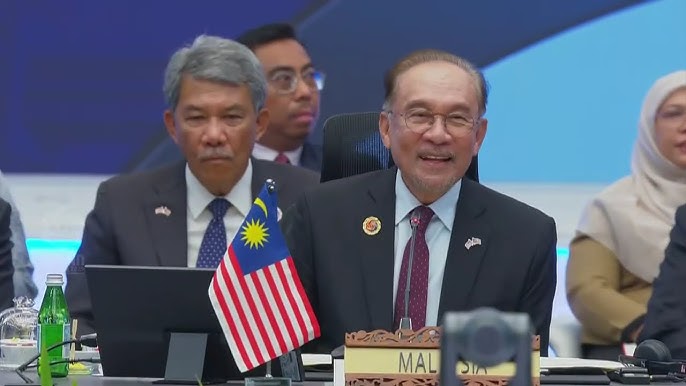
The numbers tell the story of Canada’s vulnerability. Approximately 75% of Canadian exports currently flow to the United States, creating what economists have long described as a dangerous over-reliance on a single market. When Trump threatened tariffs on Canadian steel, aluminum, and softwood lumber during his previous administration, Canada’s economic security hung in the balance. Carney’s government has made it clear: never again.
Asia’s Trillion-Dollar Opportunity
The ASEAN region represents one of the world’s fastest-growing economic zones, with a combined GDP exceeding $3.6 trillion and a consumer market of over 650 million people. For Canada, this isn’t just about trade diversification—it’s about positioning itself at the center of the 21st century’s economic gravity shift from West to East.
During his opening remarks at the summit, Carney outlined an ambitious vision: “Canada brings what Asia needs—natural resources, technological innovation, educational excellence, and a reputation as an honest broker in an increasingly polarized world. We’re not here to replace one dependency with another. We’re here to build genuine partnerships based on mutual respect and shared prosperity.”
The Prime Minister’s delegation includes over 300 Canadian business leaders representing sectors from clean technology and artificial intelligence to agriculture and natural resources. Major deals are expected to be announced throughout the week, including:
- A $4.2 billion liquefied natural gas supply agreement with Indonesia and Vietnam
- Technology transfer partnerships between Canadian universities and Singapore’s research institutes
- Agricultural export frameworks with Thailand and the Philippines valued at over $1.8 billion annually
- Infrastructure investment commitments in Malaysia’s green energy sector
These aren’t small-scale pilot projects—they’re foundational agreements designed to redirect Canadian economic engagement toward the Pacific for generations to come.
The Carney Doctrine: Canada as Global Bridge
What distinguishes Carney’s approach from previous Canadian prime ministers is his explicit rejection of the binary choice between Western and Eastern alignment. In private briefings with Asian leaders, Carney has positioned Canada as a unique “bridge nation”—a Western democracy with deep historical ties to Europe and America, but without the colonial baggage or geopolitical antagonisms that complicate U.S. and European engagement in Asia.
“We share values with our Western allies—democracy, human rights, rule of law,” Carney told reporters during a press availability in Kuala Lumpur. “But we also understand that the future is multipolar, and Canada’s success depends on our ability to work constructively with all nations committed to peace and prosperity.”
This diplomatic balancing act is already paying dividends. While the United States faces increasing resistance to its Indo-Pacific strategy, which many Asian nations view as unnecessarily confrontational toward China, Canada is being welcomed as a partner without ulterior motives. The absence of U.S. military installations on Canadian soil and Canada’s historical role in UN peacekeeping operations provide diplomatic capital that Washington can only envy.
Trump’s America vs. Carney’s Canada
The contrast between Trump’s “America First” nationalism and Carney’s multilateral engagement couldn’t be starker. While Trump has imposed tariffs, withdrawn from international agreements, and adopted an increasingly transactional approach to foreign relations, Carney has championed trade liberalization, climate cooperation, and institutional engagement.
Political analyst Michael Chen from the Asia Pacific Foundation of Canada observes: “Trump’s approach has created opportunities for middle powers like Canada to step into leadership vacuums. Asian nations want stability, predictability, and partners who honor their commitments. Carney is offering exactly that at precisely the moment when American credibility is in question.”
The diplomatic freeze between Trump and Carney extends beyond mere scheduling conflicts. The two leaders represent fundamentally different visions of their nations’ roles in the world. Trump’s border wall rhetoric and immigration restrictions stand in sharp contrast to Carney’s announcement this week of expanded visa programs for Asian students and skilled workers.
Education and Immigration: Canada’s Secret Weapons
One of the most significant but underreported aspects of Carney’s Asia strategy involves education and immigration. During meetings with counterparts from Vietnam, Indonesia, and the Philippines, the Canadian delegation announced expanded scholarship programs, streamlined student visa processing, and new pathways to permanent residency for international graduates.
This isn’t charity—it’s strategic statecraft. As birth rates decline across developed nations, Canada is positioning itself as the destination of choice for Asia’s best and brightest. While Trump-era America has made immigration increasingly difficult, Canada is rolling out the welcome mat.
“Every international student who chooses Canada over the United States or Australia is a long-term investment in bilateral relations,” explained Jennifer Park, Director of International Education at McGill University, who is traveling with the Prime Minister’s delegation. “These students become business leaders, politicians, and cultural ambassadors. They’re the foundation of the relationships we’re building today.”
Related Post: Sadiq Khan FURIOUS After King Charles INTERVENES — London ERUPTS
The numbers are already shifting. International student enrollment in Canadian universities from ASEAN nations has increased by 47% since 2020, with projections suggesting that figure could double by 2030. These students contribute over $22 billion annually to the Canadian economy while creating lasting people-to-people connections that undergird trade and investment relationships.
The Infrastructure Play
Beyond trade in goods and services, Carney’s government is positioning Canadian companies as preferred partners for Asia’s massive infrastructure boom. The region requires an estimated $26 trillion in infrastructure investment by 2030, covering everything from transportation and energy to telecommunications and water systems.
Canadian engineering firms, pension funds, and construction companies bring technical expertise, financial resources, and a reputation for transparency that makes them attractive partners in a region where corruption concerns have complicated Chinese Belt and Road Initiative projects.
During a business roundtable in Kuala Lumpur, Carney announced the creation of a $15 billion Canada-ASEAN Infrastructure Fund, backed by the Canada Pension Plan Investment Board and several major Canadian financial institutions. The fund will focus on sustainable infrastructure projects that align with both Canadian values and Asian development priorities.
“This is patient capital with a long-term perspective,” Carney emphasized. “We’re not looking for quick returns or extractive relationships. We’re building partnerships that will serve both Canadian and Asian interests for decades to come.”
Energy Security and Climate Leadership
One of the most promising areas for Canada-Asia cooperation lies in energy transition. As Asian economies grow, their energy demands are skyrocketing—but so are their commitments to reducing carbon emissions. Canada’s vast natural resources, including critical minerals essential for battery production, position it as a crucial player in Asia’s green energy revolution.
New agreements announced during the summit include:
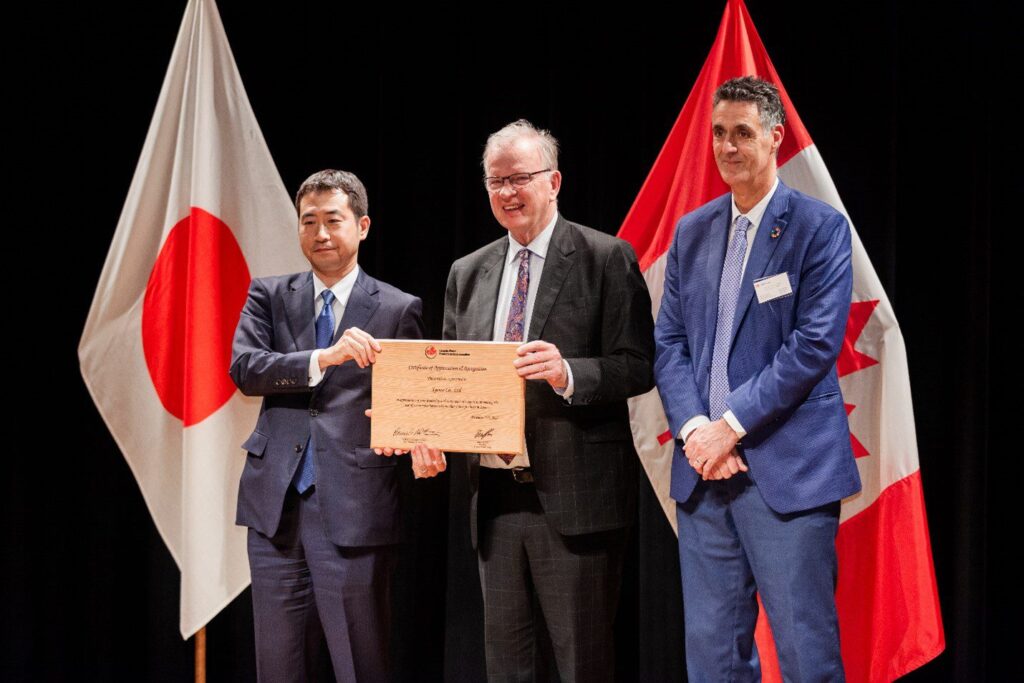
- Lithium and cobalt supply chains connecting Canadian mines to Asian battery manufacturers
- Joint ventures in hydrogen production and distribution technology
- Forest carbon credit trading mechanisms between Canadian provinces and ASEAN nations
- Clean technology research partnerships focusing on emissions reduction
These initiatives address Asian energy security concerns while supporting Canada’s own climate commitments—a rare win-win in international relations.
What This Means for U.S.-Canada Relations
The elephant in the room—or perhaps more accurately, the elephant not in the room—is the United States. Carney’s conspicuous pivot toward Asia raises obvious questions about the future of the world’s longest undefended border and most integrated bilateral economic relationship.
Foreign policy experts suggest that Carney isn’t abandoning the U.S. relationship so much as rebalancing it. “Canada will always share geography with America,” noted former Canadian ambassador to the United States Derek Burney. “But that doesn’t mean we have to share economic dependence. Diversification strengthens rather than weakens our negotiating position with Washington.”
Indeed, some analysts argue that Carney’s Asia strategy may ultimately improve U.S.-Canada relations by reducing Canadian vulnerability to American pressure. A Canada with genuine economic alternatives is a Canada that can negotiate with Washington as an equal rather than a supplicant.
However, the lack of communication between Trump and Carney suggests that tensions may worsen before they improve. Trump has historically viewed any assertion of independence by allied nations as betrayal, and his “America First” worldview leaves little room for the kind of multilateral cooperation that Carney champions.
The Grand Welcome: Symbolism Matters
Returning to the imagery that opened this story, the elaborate reception afforded to Prime Minister and Mrs. Carney in Malaysia wasn’t accidental. In Asian diplomatic culture, ceremony and symbolism carry profound meaning. The red carpet, the traditional dancers, the formal guard of honor—these elements communicate respect, welcome, and the promise of partnership.
Mrs. Diana Carney’s presence throughout the visit has also been strategic. Her participation in cultural events, visits to schools and hospitals, and engagement with women’s empowerment initiatives has complemented the Prime Minister’s official program with crucial soft power diplomacy. In societies where family and personal relationships matter enormously in business and politics, the Carneys are presenting themselves as a team invested in building lasting connections.
“Soft power is often dismissed as secondary to economic and military power,” observed Dr. Mei Lin Cheng, a specialist in Asian diplomacy at the London School of Economics. “But in relationship-oriented cultures, the time Diana Carney spends visiting a school or hospital may ultimately matter as much as the trade agreements her husband signs. They’re showing respect for Asian cultures in ways that resonate deeply.”
The Road Ahead: Challenges and Opportunities
Despite the optimistic tone of this week’s summit, Carney’s Asia pivot faces significant challenges. Distance and time zones complicate business relationships. Cultural and linguistic differences require sustained investment in mutual understanding. And geopolitical tensions—particularly involving China—create diplomatic minefields that Canada must navigate carefully.
Moreover, Canada’s capacity to fulfill its ambitious export goals requires domestic transformation. Infrastructure bottlenecks, regulatory obstacles, and workforce shortages could limit Canada’s ability to deliver on the promises being made this week in Kuala Lumpur.
Critics have also questioned whether Canada possesses the diplomatic resources and institutional knowledge necessary to effectively engage across diverse Asian markets simultaneously. Building expertise in ASEAN’s ten member states—each with distinct political systems, economic structures, and cultural contexts—requires sustained commitment and investment.
A Historic Turning Point
As Prime Minister Carney’s Malaysia visit continues, one thing is clear: Canada is attempting something unprecedented in its history. For the first time since Confederation, a Canadian government is seriously pursuing economic independence from the United States through systematic diversification toward Asia.
Whether this gambit succeeds will depend on factors both within and beyond Canadian control. Asian markets must remain open and growing. Canadian businesses must prove competitive in unfamiliar environments. And political will must be sustained across election cycles and leadership changes.
But the symbolism of this moment—a Canadian Prime Minister receiving a grand welcome in Asia while the American President remains conspicuously absent from his schedule—captures something profound about the shifting dynamics of 21st-century geopolitics.
Canada is no longer content to be America’s junior partner. It’s charting its own course, building its own relationships, and defining its own interests. Whether history will judge Carney’s Asia pivot as visionary statecraft or overreach remains to be seen. But there’s no question that Canada has left Trump’s America behind—at least for this week in Malaysia.
The world is watching. And for now, the Carneys are enjoying their moment in the Asian sun.
For more breaking news and analysis on Canadian politics and international relations, follow our coverage of Prime Minister Carney’s complete Asia tour throughout this historic week.