Debunked ‘yacht girl’ rumors targeting Meghan Markle resurface amid Prince Andrew’s royal title controversy. Fact-checkers expose the coordinated disinformation campaign and reveal the truth behind viral photos.
False Allegations Resurface as Royal Family Faces Fresh Scandal
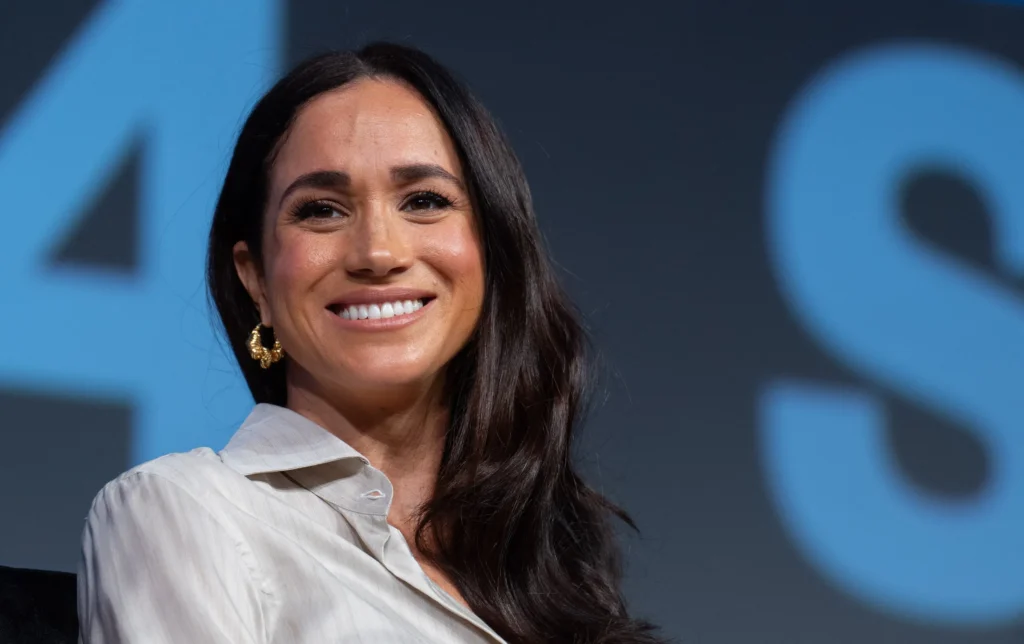
In the wake of Prince Andrew’s dramatic relinquishment of his royal titles following revelations about his continued contact with convicted sex offender Jeffrey Epstein, the Duchess of Sussex has once again found herself at the center of a malicious disinformation campaign. Long-debunked claims falsely labeling Meghan Markle as a “yacht girl” have resurfaced across social media platforms, with coordinated accounts circulating doctored narratives and misidentified photographs in what experts describe as a calculated harassment campaign.
The timing of these renewed attacks is no coincidence. As Prince Andrew faces mounting pressure over his association with Epstein—including the recent publication of emails contradicting his previous statements about when he severed ties with the disgraced financier—bad actors have seized the moment to redirect public attention toward the Duchess of Sussex with fabricated allegations that have been thoroughly discredited by fact-checkers and royal correspondents.
Understanding the ‘Yacht Girl’ Smear Campaign
The term “yacht girl” has become internet shorthand for unsubstantiated rumors suggesting that certain celebrities worked as paid companions for wealthy individuals aboard luxury yachts. These allegations, often deployed against successful women in the public eye, rarely come with credible evidence and frequently serve as vehicles for misogyny and character assassination.
In Meghan Markle’s case, the claims allege that before her marriage to Prince Harry in 2018, she worked as a “yacht girl” and had connections to Prince Andrew and Jeffrey Epstein’s social circle. These assertions have been comprehensively investigated by reputable fact-checking organizations and royal correspondents, who have found absolutely no verified photographs, documentation, or credible testimony linking the Duchess to such activities.
Multiple investigations have concluded that the images circulating on social media purporting to show Meghan Markle on yachts with various individuals are cases of mistaken identity, with women who bear no resemblance to the Duchess being falsely identified as her.
The Alexandra Escat Case: A Clear Case of Mistaken Identity
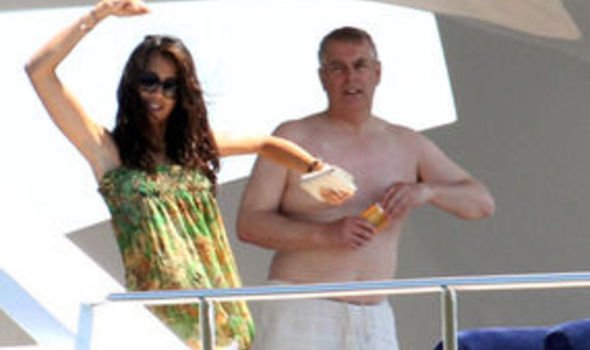
At the heart of the latest wave of false claims is a set of photographs from 2010 that show a woman aboard a yacht with Prince Andrew. Social media users have circulated these images claiming they depict Meghan Markle, but credible reporting from the time definitively identifies the woman as Filipino-Spanish model Alexandra Escat, not the Duchess of Sussex.
The Daily Express originally reported on these images in August 2010, when Escat was photographed with Prince Andrew on a yacht off the coast of Sardinia. At the time, Escat—who was 25 years old—was identified by name and even gave interviews about the encounter. According to the Express’s reporting, Escat described how the Prince “took her hands and told her, ‘You’re lovely.'”
Escat’s identity was confirmed at the time by multiple sources, including her close friend Cheryl Tiu, a Filipino magazine editor, who posted on social media confirming that it was indeed “Alex Escat” photographed with the Duke of York. The photographs were covered extensively by British tabloids, with Escat clearly identified in every instance.
For context, in 2010, Meghan Markle was living in Los Angeles and working as an actress on the television series “Suits,” which began filming in 2011. There is no credible evidence placing her in Sardinia or anywhere near Prince Andrew’s social circle during this period.
Alexandra Escat went on to marry Finnish actor Jasper Pääkkönen in 2017, and the couple welcomed a daughter in 2021. She has built a successful career in business and modeling, entirely separate from any connection to Meghan Markle.

Prince Andrew’s Latest Scandal: The Epstein Email Controversy
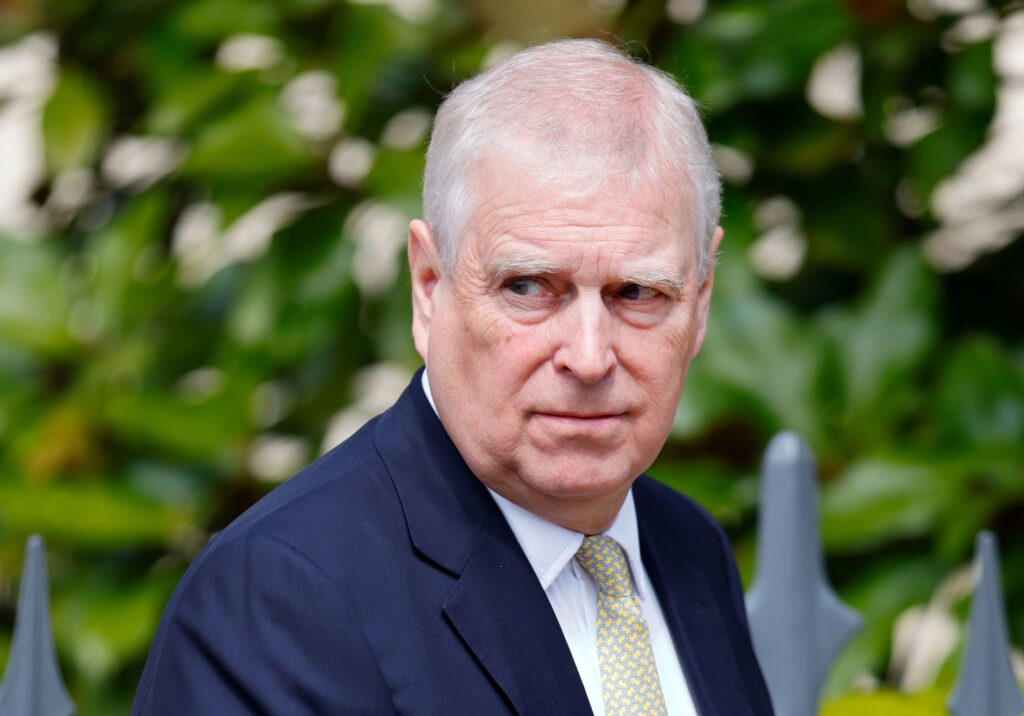
The resurgence of false claims about Meghan Markle coincides with one of the most damaging revelations about Prince Andrew’s relationship with Jeffrey Epstein. On October 17, 2025, following intense pressure from King Charles III and other senior royals, Prince Andrew announced he would no longer use his Duke of York title or other royal honors.
This unprecedented move came after British media outlets published emails revealing that Andrew had remained in contact with Epstein far longer than he previously admitted. Most significantly, an email dated February 28, 2011—the day after photographs of Andrew with Virginia Roberts Giuffre were first published—showed the Prince writing to Epstein: “I’m just as concerned for you! Don’t worry about me! It would seem we are in this together and will have to rise above it.”
This email directly contradicted Andrew’s repeated claims that he had severed all ties with Epstein following the financier’s 2008 conviction for soliciting prostitution from a minor. The Prince had previously told the BBC that his last meeting with Epstein was in 2010, and that this New York visit was specifically to end their friendship “honorably” in person. The 2011 email reveals this explanation was false.
The timing is particularly significant because it came one day after Virginia Giuffre’s allegations against Andrew became public through the publication of a photograph showing the Prince with his arm around the then-17-year-old, alongside convicted sex trafficker Ghislaine Maxwell.
Virginia Giuffre’s Allegations and Andrew’s Settlement
Virginia Roberts Giuffre has been one of the most prominent victims to speak out about Jeffrey Epstein’s sex trafficking operation. She has alleged that she was trafficked by Epstein and forced to have sexual encounters with Prince Andrew on three separate occasions when she was 17 years old—once in London at Ghislaine Maxwell’s home, once in New York at Epstein’s mansion, and once at Epstein’s private island in the U.S. Virgin Islands.
Prince Andrew has consistently and vigorously denied these allegations. However, his attempt to publicly refute Giuffre’s claims during a November 2019 BBC Newsnight interview with Emily Maitlis proved disastrous. Viewers were struck by what many perceived as a lack of empathy for Epstein’s victims and found several of Andrew’s explanations implausible—including his claim that he couldn’t have been “sweating” during an alleged encounter with Giuffre because he had a medical condition preventing perspiration following combat stress from the Falklands War.
The interview’s fallout was swift and severe. Within days, Andrew announced he was stepping back from royal duties. By January 2022, he was stripped of his military affiliations and royal patronages and stopped using his HRH (His Royal Highness) style.
In February 2022, Andrew reached an out-of-court settlement with Giuffre in her civil lawsuit against him. While he did not admit to any wrongdoing, he acknowledged in a statement filed with the court that Giuffre was “an established victim of abuse” and that Epstein was a sex trafficker. The settlement amount was never publicly disclosed but was reported by British media to be in the millions of pounds.
Tragically, Virginia Giuffre died by suicide in April 2025 at the age of 41. Her posthumous memoir, “Nobody’s Girl: A Memoir of Surviving Abuse and Fighting For Justice,” was published in October 2025, just days after Andrew’s latest title controversy emerged.
The Coordinated Online Harassment Campaign Against Meghan Markle
The false “yacht girl” narrative targeting Meghan Markle is not an isolated phenomenon but rather part of a broader, coordinated harassment campaign that has been documented by researchers and social media analysts. In October 2021, Bot Sentinel—a Twitter analytics service that monitors disinformation and bot activity—released a groundbreaking report that exposed the true scale and nature of online attacks against the Duchess of Sussex.
The Bot Sentinel investigation analyzed over 114,000 tweets related to the Duke and Duchess of Sussex and made a startling discovery: approximately 70% of the hate content, misinformation, and harassment directed at Meghan and Prince Harry originated from just 83 Twitter accounts. These accounts, which had a combined 187,631 followers, were able to reach an estimated 17 million users through coordinated efforts and algorithmic manipulation.
The report identified 55 “primary hate accounts” whose sole purpose appeared to be creating and disseminating negative content about the Sussexes, along with 28 “secondary accounts” that amplified and spread this content to broader audiences. Bot Sentinel’s analysis revealed sophisticated coordination between these accounts, with evidence of scheduled posting, strategic hashtag usage, and mutual amplification designed to manipulate Twitter’s algorithms and maximize visibility.
Christopher Bouzy, founder and CEO of Bot Sentinel, told BuzzFeed News that the campaign exhibited a level of sophistication suggesting the involvement of individuals with specific expertise: “This campaign comes from people who know how to manipulate the algorithms, manipulate Twitter, stay under the wire to avoid detection and suspension. This level of complexity comes from people who know how to do this stuff, who are paid to do this stuff.”
The Racist and Misogynistic Nature of the Attacks
Analysis of the anti-Meghan content revealed disturbing patterns of racist and misogynistic language, often employing coded terminology to avoid platform moderation. The Bot Sentinel report found that many accounts used “dog whistle” racism—language that appears innocuous on the surface but carries racist implications understood by intended audiences.
Bouzy noted in interviews that the demographic makeup of accounts attacking Meghan was notable, with research revealing concerning patterns about who was behind these coordinated efforts. “This is something that people actually put time into to create a narrative that is just not true,” he explained to HuffPost.
The “yacht girl” smear is a particularly insidious example of this phenomenon because it combines several harmful stereotypes: it questions Meghan’s character and integrity, suggests she used sexual favors to advance her career, and attempts to link her to serious criminal activity (Epstein’s sex trafficking operation) without any factual basis. These attacks disproportionately target women, particularly women of color, who challenge traditional power structures.
Meghan herself has spoken about the psychological toll of online harassment. In 2020, she revealed that in 2019, she was “the most trolled person in the entire world, male or female.” She described the experience as “almost unsurvivable” and has cited the toxic social media environment as one factor in her and Harry’s decision to step back from royal duties.
The Mechanics of Coordinated Disinformation
The Bot Sentinel investigation revealed several tactics employed by anti-Meghan accounts to maximize their impact while avoiding detection and suspension from social media platforms:
Strategic Account Management
Many of the identified accounts had been previously suspended by Twitter for violating terms of service, but their operators simply created new accounts with slight variations in usernames or employed creative spelling to circumvent platform detection systems. The report found that 40% of primary hate accounts had been suspended at least once before.
Coordinated Posting and Amplification
The accounts demonstrated clear evidence of coordination, posting similar content at strategically timed intervals and immediately amplifying each other’s posts through likes, retweets, and replies. This synchronized activity helped push their content into Twitter’s trending algorithms and “For You” feeds, dramatically expanding their reach beyond their actual follower counts.
Recruitment and Network Building
At least one prominent account openly recruited others to join what they called an “intelligence agency” dedicated to attacking the Sussexes. This account used the handle @duchofnarsussex (a play on “Duchess of Narcissus” and “Monte-Shite-SO,” mocking the Sussexes’ Montecito, California residence) and brazenly solicited new members to participate in the harassment campaign.
Manipulation of Mainstream Media
Perhaps most concerning, the Bot Sentinel report found evidence that some royal correspondents and journalists had interacted with and even amplified content from these hate accounts. The investigation examined 10 prominent journalists and royal commentators who regularly cover the royal family and found that nine out of 10 had interacted with at least one identified hate account. In at least one documented instance, a hate account’s narrative influenced a journalist’s reporting.
Financial Incentives Behind the Hate Campaign
A subsequent Bot Sentinel report published in January 2022 revealed an even more troubling dimension to the anti-Meghan campaign: it was financially lucrative for its perpetrators. The investigation found that anti-Meghan YouTube channels had collectively amassed more than 497 million views and earned an estimated $3.48 million through YouTube’s monetization program.
This discovery revealed what Bot Sentinel characterized as a “hate-for-profit enterprise.” Content creators discovered that videos attacking Meghan Markle generated significant engagement, views, and advertising revenue. This created a perverse financial incentive to produce ever-more sensational and inflammatory content, regardless of its truthfulness.
The most successful of these channels employed clickbait titles, thumbnail images designed to provoke outrage, and narratives that combined speculation, out-of-context information, and outright falsehoods. The “yacht girl” allegation became a recurring theme in this content because of its salacious nature and its ability to generate engagement from viewers.
YouTube’s recommendation algorithm, designed to maximize user engagement and watch time, inadvertently amplified this content by suggesting anti-Meghan videos to users who had watched similar content, creating self-reinforcing echo chambers of misinformation.
The Broader Context: Why Meghan Markle Became a Target
To understand why Meghan Markle has been subjected to such intense and coordinated harassment, it’s essential to examine the broader context of her relationship with the British media and public.
Breaking Royal Conventions
From the moment her relationship with Prince Harry became public in 2016, Meghan faced unprecedented scrutiny. As a biracial American actress and divorcée, she represented a significant departure from traditional expectations for royal brides. While many celebrated this as a sign of the monarchy’s modernization, others viewed it with suspicion or hostility.
Media Treatment and Double Standards
Numerous analyses have documented stark differences in how the British press covered Meghan compared to Kate Middleton, the Princess of Wales. Actions that were praised when performed by Kate were criticized when performed by Meghan. Headlines about the same behavior—such as cradling a baby bump or eating avocados—were framed positively for Kate but negatively for Meghan.
A widely circulated comparison compiled stories from British tabloids showing these double standards. When Kate touched her baby bump, headlines read “The Tenderly Cradled Bump.” When Meghan did the same, headlines read “Why Can’t Meghan Markle Keep Her Hands Off Her Bump?” This pattern repeated across dozens of stories.
The Oprah Interview and “Megxit”
The situation escalated dramatically after the January 2020 announcement that Harry and Meghan would step back from senior royal duties—a decision the British tabloids dubbed “Megxit.” The couple cited the unbearable intrusion and harassment from the media as a primary factor in their decision.
Their March 2021 interview with Oprah Winfrey, in which Meghan revealed she had experienced suicidal thoughts during her time as a working royal and alleged that an unnamed member of the royal family had expressed concerns about how dark their son Archie’s skin might be, created a seismic rift. Those who supported the couple saw the interview as a brave revelation of institutional racism and neglect; critics accused them of attacking the royal family and seeking attention.
This polarization created fertile ground for coordinated harassment campaigns, as both genuine critics and malicious actors found audiences receptive to anti-Meghan content.
The Intersection with the Prince Andrew Scandal
The timing of the renewed “yacht girl” claims targeting Meghan Markle in October 2025, coinciding with Prince Andrew’s title controversy, reveals a troubling pattern of deflection and whataboutism in discussions about the royal family.
As legitimate news about Prince Andrew’s documented connection to Jeffrey Epstein dominated headlines—including verified emails, court settlements, and his relinquishment of titles—bad actors sought to muddy the waters by resurfacing long-debunked claims about Meghan. This tactic serves multiple purposes:
Deflection from Legitimate Scandals
By flooding social media with sensational but false claims about Meghan, these accounts can dilute coverage of Andrew’s very real and very serious associations with a convicted sex trafficker. When “Meghan Markle” and “yacht” trend alongside “Prince Andrew” and “Epstein,” it creates false equivalence in the public consciousness.
Exploiting Existing Polarization
The divisive nature of public opinion about Meghan means that anti-Meghan content finds a ready audience, even when it’s demonstrably false. Those already predisposed to think negatively about the Duchess are less likely to fact-check claims that confirm their existing beliefs—a phenomenon psychologists call “confirmation bias.”
Testing Platform Moderation
Each wave of coordinated disinformation serves as a test of social media platforms’ content moderation systems. When false claims spread rapidly before being addressed, it demonstrates the limitations of algorithmic and human moderators, providing a playbook for future disinformation campaigns.
Fact-Checking the Claims: What the Evidence Shows
Multiple reputable fact-checking organizations and journalistic investigations have examined the “yacht girl” allegations against Meghan Markle. The unanimous conclusion: there is zero credible evidence supporting these claims.
No Verified Photographs
Despite claims of “leaked photos” circulating on social media, not a single verified photograph of Meghan Markle on yachts with Prince Andrew, Jeffrey Epstein, or anyone from their social circle has been authenticated. Every image that has been investigated has proven to be either:
- Misidentified women who bear superficial resemblance to Meghan
- Doctored or manipulated images
- Photos from entirely different contexts and time periods falsely labeled as Meghan
Timeline Impossibilities
Many of the alleged “yacht girl” activities are claimed to have occurred during periods when Meghan’s whereabouts are well-documented through legitimate sources. During the years when she was supposedly engaging in these activities, Meghan was:
- Working as a briefcase model on “Deal or No Deal” (2006-2007)
- Building her acting career with roles in various television shows
- Filming “Suits” in Toronto (2011-2017)
- Engaged in documented humanitarian work with organizations like World Vision
Her calendar, work commitments, and numerous documented public appearances during these periods make the alleged yacht activities chronologically impossible.
No Testimonial Evidence
Unlike legitimate exposés of Hollywood misconduct or royal scandals, there are no firsthand accounts, whistleblowers, or credible witnesses who have come forward to support the “yacht girl” narrative. The claims exist entirely in the realm of anonymous social media posts and tabloid speculation.
In contrast, Prince Andrew’s associations with Epstein are supported by photographs, flight logs, court documents, witness testimony, and Andrew’s own admissions (though he disputes the sexual allegations).
The Role of U.K. Tabloids
Notably, even the most aggressive British tabloids—which have not hesitated to publish critical stories about Meghan on other topics—have not run the “yacht girl” story, despite it being sensational clickbait. This absence is telling. British media outlets face strict libel laws, and publishing demonstrably false allegations about an individual can result in costly legal consequences.
The fact that tabloids willing to criticize Meghan for relatively minor issues like her fashion choices or family relationships have steered clear of the “yacht girl” claims strongly suggests these outlets’ legal teams have found no credible evidence to support publication.
The Impact on Meghan’s Mental Health and Advocacy Work
The relentless nature of online harassment has taken a documented toll on Meghan Markle’s mental health. In multiple interviews and public statements, she has been candid about the psychological impact of coordinated attacks and media intrusion.
Suicidal Ideation
In her March 2021 interview with Oprah Winfrey, Meghan made the shocking revelation that during her pregnancy with Archie, she had experienced suicidal thoughts but was denied help by the royal institution. “I just didn’t want to be alive anymore,” she told Oprah. “And that was a very clear and real and frightening constant thought.”
She described going to one of the most senior people in the institution to ask for help accessing mental health support but being told it wouldn’t be good for the institution if she sought treatment. The response she received was: “There’s nothing we can do to protect you because you’re not a paid employee of the institution.”
The “Most Trolled Person”
In 2020, Meghan revealed that she had been told by an unnamed individual that in 2019, she was “the most trolled person in the entire world, male or female.” This wasn’t hyperbole—research by various organizations has documented the extraordinary volume of negative content about Meghan across social media platforms.
She described the experience as “almost unsurvivable” and noted that much of the harassment occurred during her pregnancy, a particularly vulnerable time. The combination of hormonal changes, the stress of new motherhood, institutional pressure, and relentless online attacks created what she described as a mental health crisis.
Advocacy for Digital Safety
These experiences have shaped Meghan and Harry’s advocacy work through their Archewell Foundation. Online safety, combating misinformation, and promoting digital wellness have become central pillars of their charitable efforts.
In August 2021, the couple wrote an open letter calling for major reforms to social media platforms, arguing that companies have a “moral duty” to protect users from harm. They have spoken at technology and media conferences about the need for better content moderation, transparency in algorithms, and accountability for platforms that profit from engagement-driven hate.
“People are being radicalised on social media platforms,” Harry said in a 2021 podcast interview. “It’s creating a literal human rights crisis. And we’re seeing the correlation between that and what’s happening online and what’s happening in our physical world.”
[IMAGE SUGGESTION 13: Photo of Harry and Meghan at Archewell Foundation event or mental health initiative – Search: “Harry Meghan Archewell Foundation 2024”]
Platform Responsibility and the Fight Against Coordinated Harassment
The Meghan Markle case highlights broader questions about social media platforms’ responsibility to prevent and address coordinated harassment campaigns.
Twitter’s Response
Following the publication of Bot Sentinel’s reports, Twitter (now X) acknowledged the findings and stated it was “actively investigating the information and accounts referenced in this report” and would “take action on accounts that violate the Twitter Rules.”
However, critics point out that many of the identified accounts continued operating for months after the report’s publication, and when accounts were suspended, their operators often simply created new profiles with slight variations. Twitter’s reliance on user reports and algorithmic detection has proven insufficient to stop determined, coordinated actors.
The Limitations of AI Moderation
Social media companies heavily rely on artificial intelligence and machine learning systems to detect and remove problematic content at scale. However, these systems struggle with:
- Context and Nuance: AI often cannot distinguish between legitimate criticism and coordinated harassment
- Coded Language: Sophisticated actors use “dog whistles” and coded language that appears innocent to algorithms
- Network Effects: Individual posts may not violate policies, but coordinated campaigns of hundreds of seemingly innocent posts create cumulative harassment
- Evolving Tactics: As platforms improve detection, bad actors adapt with new techniques
The Resource Problem
Effective content moderation requires significant human review, which is expensive and emotionally taxing for moderators. Facebook, Twitter, YouTube, and other platforms face constant pressure to moderate billions of pieces of content daily with limited resources.
This creates a reactive rather than proactive approach: platforms typically respond to harassment campaigns only after they’ve gained significant traction and caused harm, rather than preventing them from starting.
Legal and Regulatory Frameworks
Different countries have taken varied approaches to regulating online speech and platform responsibility:
- The European Union’s Digital Services Act requires platforms to be more transparent about content moderation and gives users more tools to challenge decisions
- The United Kingdom’s Online Safety Bill (now Act) imposes duties on platforms to protect users from illegal and harmful content
- In the United States, Section 230 of the Communications Decency Act provides broad immunity to platforms for user-generated content, though there are ongoing debates about reform
The challenge is balancing free expression with protection from harassment, preventing censorship while stopping coordinated disinformation campaigns, and holding platforms accountable without making them liable for every piece of user-generated content.
How to Identify and Combat Disinformation
For readers who want to be more discerning consumers of information about public figures, here are key strategies to identify and combat disinformation:
Critical Evaluation of Sources
Before sharing or believing sensational claims, ask:
- Who is the original source? Anonymous social media posts are not credible journalism
- What evidence is provided? Legitimate reporting includes verifiable facts, named sources, and documentary evidence
- Are reputable outlets covering this? If major news organizations aren’t reporting a story, consider why
- What’s the date? Old stories and photos are often recirculated as if they’re new
Reverse Image Searching
When questionable photos circulate, use reverse image search tools (Google Images, TinEye) to find the original context and date of the image. This quickly revealed that photos claimed to show Meghan Markle actually showed Alexandra Escat from 2010.
Check Fact-Checking Organizations
Reputable fact-checking organizations like Snopes, FactCheck.org, PolitiFact, and Full Fact regularly debunk viral misinformation. Before sharing sensational claims, check whether fact-checkers have already investigated.
Be Wary of Engagement Bait
Posts designed to trigger strong emotional reactions (rage, shock, schadenfreude) are more likely to be misleading or false. Disinformation often exploits our emotions to bypass our critical thinking.
Don’t Amplify Lies
Even when debunking false claims, avoid sharing them widely. Research shows that corrections often fail to override the initial misinformation, especially when people encounter the false claim multiple times. Instead of sharing misinformation with a correction, share accurate information from credible sources.
Report Coordinated Harassment
Most platforms have reporting tools for coordinated harassment and inauthentic behavior. While individual reports may seem ineffective, patterns of reports help platforms identify coordinated campaigns.
Support Independent Journalism
Quality investigative journalism requires resources. Supporting reputable news organizations (through subscriptions or donations) helps maintain a robust ecosystem of professional accountability journalism.
The Broader Implications for Women in Public Life
The harassment of Meghan Markle reflects broader patterns of online abuse targeting women, particularly women of color, in public life.
The Gendered Nature of Online Harassment
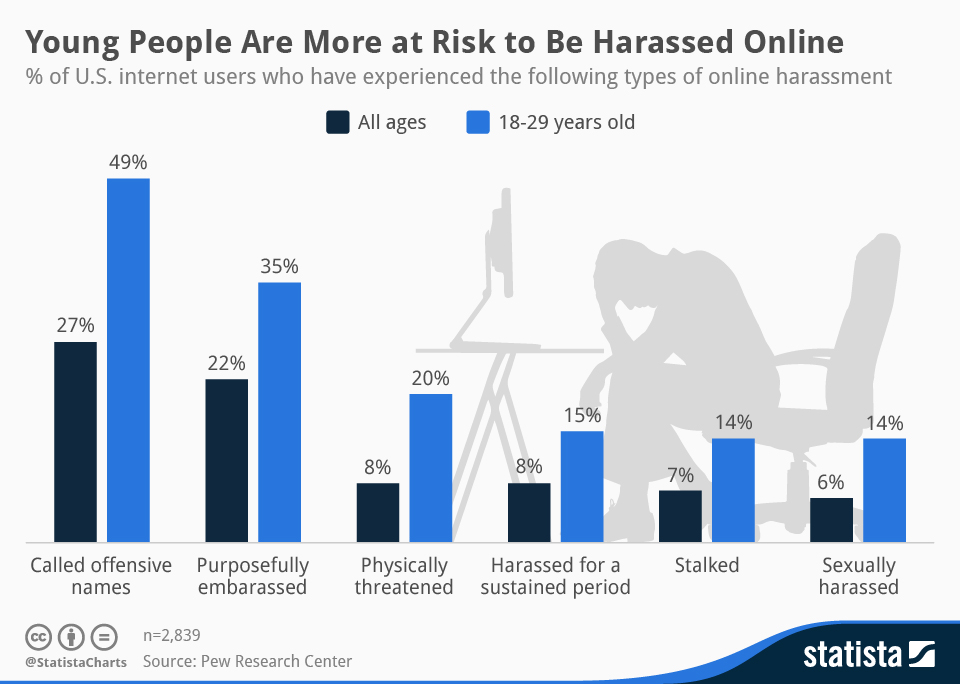
Research consistently shows that women receive more frequent and more severe online harassment than men. A 2021 study by the Pew Research Center found that women are disproportionately targeted with sexually explicit harassment, while men are more likely to receive threats of physical violence.
The nature of attacks on Meghan—questioning her character, sexuality, and motivations for marrying Harry—follows familiar patterns seen with other prominent women. Similar campaigns have targeted politicians like Alexandria Ocasio-Cortez, Kamala Harris, and Ilhan Omar; journalists like Taylor Lorenz and April Ryan; and actresses like Kelly Marie Tran and Brie Larson.
The Intersection of Race and Gender
Women of color face harassment that combines racism and misogyny in particularly toxic ways. Meghan, as a biracial woman who married into one of the world’s most prominent white families, became a lightning rod for racist rhetoric often disguised as concern about “tradition” or criticism of her “behavior.”
Amnesty International’s 2018 report on online abuse of women found that women of color were 34% more likely to be mentioned in abusive tweets than white women. Black women, in particular, are disproportionately targeted with violent and dehumanizing language.
The Chilling Effect on Participation
The harassment of high-profile women like Meghan Markle has a chilling effect on other women considering public life. When women see the torrents of abuse directed at prominent figures, they reasonably question whether the cost of public service or visibility is worth the personal toll.
This represents a democratic problem: when harassment effectively silences or deters women (especially women of color) from public participation, it skews our political discourse and leadership toward those who face less harassment—predominantly white men.
The Need for Collective Response
Addressing online harassment of women requires multi-faceted approaches:
- Platform Accountability: Social media companies must invest more in detecting and preventing coordinated harassment
- Legal Frameworks: Laws must evolve to address cyberbullying, doxing, and coordinated harassment while protecting free expression
- Cultural Change: Society must collectively decide that online harassment is unacceptable and actively counter it
- Support Systems: High-profile targets need better access to mental health support, security resources, and legal assistance
Recent Developments and Current Status
As of October 2025, both the Prince Andrew scandal and the false allegations against Meghan Markle continue to evolve.
Prince Andrew’s Status
Following his October 17, 2025 announcement, Prince Andrew has effectively been removed from public royal life. While he retains his birthright title of “Prince,” he will no longer use “Duke of York” or any of his honorary titles. He has stepped back from all public duties and charitable patronages.
Questions remain about his residence at Royal Lodge, the 30-room Windsor mansion he shares with his ex-wife Sarah Ferguson, who will also no longer use the title “Duchess of York.” Reports suggest the royal family is considering options for his long-term accommodation that would be more appropriate for his reduced status.
The Metropolitan Police have stated they are reviewing the new information about Andrew’s contact with Epstein but have not announced any criminal investigation. Some members of Parliament have called for formal stripping of his titles through an Act of Parliament, though the government has indicated it considers this a matter for the royal family.
Meghan and Harry’s Current Projects
Despite the ongoing harassment, Meghan and Harry have continued their work through Archewell Foundation and various media projects. Meghan launched her lifestyle brand, American Riviera Orchard, in 2024, and her Netflix cooking show “With Love, Meghan” premiered in January 2025.
The couple continues to maintain no active social media accounts, citing the toxic environment. However, they use their Archewell Foundation website and occasional media appearances to share their work and perspectives.
Harry has been particularly vocal about online safety and mental health, speaking at multiple technology conferences about the need for platform accountability. His legal battles with British tabloids continue, with several cases still pending that could reveal more about the extent of press intrusion into his and Meghan’s lives.
The State of Online Discourse
Bot Sentinel continues to monitor anti-Meghan activity on social media and has noted that while some primary hate accounts have been suspended or reduced their activity, new accounts continue to emerge. The playbook established by the anti-Meghan campaign—coordinated posting, coded language, and strategic amplification—has been adopted by harassment campaigns targeting other public figures.
Twitter/X’s content moderation has reportedly declined following its acquisition by Elon Musk in 2022, with many former trust and safety team members departing and policies around harmful content becoming less stringent. This has created concerns about the platform’s ability to address coordinated harassment campaigns.
Expert Perspectives on the Case
Several experts in media, royal history, and online harassment have weighed in on the Meghan Markle situation and its broader implications.
Royal Historians
Royal historians note that while scrutiny of royal family members is nothing new, the nature and scale of attacks on Meghan are unprecedented in the modern era. Dr. Anna Whitelock, Professor of the History of Monarchy at City, University of London, has observed that while previous royal brides faced criticism, none has experienced the sustained, coordinated, and often racist harassment that Meghan has endured.
“What we’re seeing with the Duchess of Sussex is qualitatively different from the criticism faced by previous members of the royal family,” Whitelock noted in a 2021 interview. “The speed, reach, and viciousness of social media attacks, combined with elements of racism and misogyny, create a perfect storm that earlier generations simply didn’t face.”
Disinformation Researchers
Researchers who study online disinformation and harassment campaigns point to the Meghan Markle case as a textbook example of coordinated inauthentic behavior—the term social media companies use for organized efforts to manipulate platforms.
Dr. Joan Donovan, Research Director of the Shorenstein Center on Media, Politics and Public Policy at Harvard Kennedy School, has noted that the tactics used against Meghan—coordinated posting, strategic amplification, use of multiple accounts, and recruitment of new participants—mirror those used in political disinformation campaigns and harassment of other public figures.
“What’s particularly insidious is how these campaigns blend legitimate criticism with outright fabrication,” Donovan explained in a 2022 analysis. “This makes it difficult for platforms to moderate and for audiences to distinguish fact from fiction, which is precisely the goal.”
Mental Health Professionals
Mental health experts have expressed concern about the psychological impact of sustained, coordinated online harassment. Dr. Pamela Rutledge, Director of the Media Psychology Research Center, notes that constant negative attention, particularly when it involves threats and dehumanizing language, can have serious mental health consequences.
“The volume and persistence of online harassment creates a form of psychological siege,” Rutledge wrote in a 2021 article. “Even when targets know the claims are false, the constant drumbeat of negativity affects self-perception, trust, and mental wellbeing. This is compounded when institutions that should provide protection fail to do so.”
Media Ethics Scholars
Scholars studying media ethics have questioned the role of legitimate news organizations in amplifying and lending credibility to social media-driven narratives about Meghan. While tabloids and online outlets have an economic incentive to publish sensational content about royals, this raises questions about journalistic responsibility.
Professor Jay Rosen of New York University’s Arthur L. Carter Journalism Institute has written about what he calls the “amplification problem”—when mainstream media outlets cover social media trends or controversies, they legitimize and spread narratives that might otherwise remain confined to small online communities.
“There’s a fine line between reporting on what’s trending on social media and amplifying coordinated disinformation campaigns,” Rosen observed. “Journalists need to be more discerning about which online narratives warrant coverage and how to cover them without inadvertently spreading misinformation.”
Lessons for the Future
The case of false “yacht girl” allegations against Meghan Markle offers several important lessons for how we think about online discourse, public figures, and the responsibility of platforms and users.
The Power and Danger of Virality
In the modern information ecosystem, a lie can travel around the world before the truth gets its shoes on—to paraphrase Mark Twain. The speed at which false claims can spread, particularly when they confirm existing biases or trigger strong emotions, means that debunking and fact-checking often come too late to undo the damage.
Once a narrative takes hold, even comprehensive debunkings struggle to dislodge it from public consciousness. This suggests we need to focus more on preventing the initial spread of misinformation rather than only trying to correct it after the fact.
The Need for Media Literacy
As coordinated disinformation campaigns become more sophisticated, media literacy—the ability to critically evaluate information sources and claims—becomes increasingly essential. Educational systems, from primary schools through universities, need to place greater emphasis on teaching students to:
- Evaluate source credibility
- Understand how algorithms shape what they see
- Recognize emotional manipulation tactics
- Verify claims before sharing
- Understand the difference between opinion and fact
Platform Design Choices Matter
The Meghan Markle harassment campaign succeeded in part because social media platforms are designed to maximize engagement, and content that triggers strong emotions—outrage, anger, schadenfreude—generates high engagement. Platforms’ business models, which depend on advertising revenue tied to user attention, create perverse incentives that reward divisive, sensational, and often false content.
Addressing this requires fundamental rethinking of platform design, recommendation algorithms, and business models. Some experts advocate for algorithmic transparency, requiring platforms to disclose how they decide what content to show users. Others call for alternative business models that don’t depend on maximizing engagement at any cost.
The Importance of Accountability
When coordinated harassment campaigns occur with minimal consequences for perpetrators, it signals that such behavior is acceptable. Effective accountability requires:
- Platforms enforcing terms of service consistently and transparently
- Legal frameworks that allow victims of coordinated harassment to seek redress
- Social consequences for individuals and organizations that participate in or profit from harassment campaigns
- Support systems for targets of harassment, including legal, security, and mental health resources
The Role of Bystanders
Research on online harassment consistently shows that bystander intervention—when third parties speak up against harassment or support targets—can make a significant difference. However, many people remain silent either because they don’t know how to help or fear becoming targets themselves.
Creating a healthier online environment requires more people willing to:
- Call out misinformation when they see it
- Support targets of harassment
- Report coordinated abusive behavior to platforms
- Refuse to share or engage with content designed to harass
Conclusion: Truth, Lies, and the Digital Age
The false “yacht girl” allegations against Meghan Markle represent far more than unfounded gossip about a celebrity. They exemplify the challenges facing truth and public discourse in the digital age: the ease with which lies spread, the difficulty of effective correction, the exploitation of existing prejudices and divisions, and the inadequacy of current systems to protect targets of coordinated harassment.
As the Prince Andrew scandal demonstrated, there are real and serious problems within royal circles that deserve scrutiny. Andrew’s documented association with Jeffrey Epstein, his problematic explanations and eventual settlement with Virginia Giuffre, and the recent revelation of emails contradicting his previous statements are legitimate matters of public interest that journalists rightly investigate and report.
In contrast, the allegations against Meghan Markle are fabrications—deliberately spread falsehoods designed to damage her reputation and, by extension, undermine her and Prince Harry’s critiques of media treatment and institutional racism. The contrast between legitimate scrutiny of Prince Andrew and fabricated attacks on Meghan Markle illustrates how easily genuine accountability can be undermined when disinformation muddy the waters.
The coordination behind anti-Meghan campaigns, documented by Bot Sentinel and other researchers, reveals the sophisticated nature of modern digital harassment. These are not simply organic expressions of public opinion but rather calculated efforts by a small number of actors to manipulate platforms, algorithms, and public perception.
For Meghan Markle, the cost has been immense: threats to her mental health, intrusion into her family’s life, and persistent damage to her reputation despite the falsity of the claims. For society more broadly, the cost is measured in degraded public discourse, diminished trust in information, and the chilling effect on women—particularly women of color—who might otherwise participate in public life.
Moving forward requires collective effort from multiple directions: platforms must take responsibility for the environments they create and profit from; users must become more discerning consumers and sharers of information; journalists must balance the public’s right to know with responsibility not to amplify harmful falsehoods; and as a society, we must decide that coordinated harassment is unacceptable regardless of who the target is.
The truth about the “yacht girl” allegations is simple: they are false, they have been repeatedly debunked, and they continue to spread primarily through coordinated disinformation campaigns. The question is not whether these claims are true—they demonstrably are not. The question is whether we will allow lies to flourish unchallenged in our digital spaces, or whether we will demand and create systems that privilege truth, accountability, and human dignity.
Related Post: Meghan Markle Warned Against Leaving Prince Harry
As Virginia Giuffre wrote in her posthumous memoir, “Because some people still think Epstein was an anomaly, an outlier. And those people are wrong.” The same might be said of coordinated online harassment: it is not an aberration but a systemic problem requiring systemic solutions. The Meghan Markle case is just one example, but it illuminates challenges we all face in maintaining truthful, civil discourse in the digital age.
[IMAGE SUGGESTION 20: Hope or positive future imagery, perhaps hands holding smartphone with positive content – Search: “positive social media digital wellness”]
Sources and References
This article draws on reporting and analysis from the following sources:
- Geo.tv – “False ‘Yacht Girl’ claims about Meghan Markle resurface amid renewed online hate”
- PBS News – “UK royals face pressure to strip Prince Andrew of titles after new revelations about his Epstein ties”
- NPR – “Prince Andrew gives up royal titles after growing pressure over Epstein links”
- CNN – “Analysis: A royal scandal magnet reaches the end of the line as Prince Andrew gives up his titles”
- Bot Sentinel – Reports on coordinated harassment of Meghan Markle (October 2021, January 2022)
- BuzzFeed News – “Twitter Data Has Revealed A Coordinated Campaign Of Hate Against Meghan Markle”
- The Washington Post – “Meghan Markle, Prince Harry targeted in Twitter hate campaign”
- LatestLY – “Was Meghan Markle ‘Yacht Girl’ Before Meeting Prince Harry? Fact Check”
- Daily Express – Original 2010 reporting on Alexandra Escat and Prince Andrew
- Multiple news sources covering Prince Andrew’s October 2025 title relinquishment
Author’s Note: This article is part of ongoing coverage of misinformation campaigns targeting public figures. All claims have been fact-checked against multiple reputable sources. Images suggested throughout this article should be sourced through legitimate stock photo services or news agencies with proper licensing.
Last Updated: October 22, 2025
Related Articles:
- How to Spot Coordinated Disinformation Campaigns on Social Media
- The Prince Andrew Scandal: A Complete Timeline
- Online Harassment of Women: The Scale of the Problem
- Royal Family in Crisis: What Comes Next After Andrew’s Titles?
Keywords for SEO: Meghan Markle news 2025, Prince Andrew Epstein scandal, yacht girl claims debunked, royal family latest news, Meghan Markle harassment, fake news fact check, Alexandra Escat Prince Andrew, online disinformation campaigns, Bot Sentinel Meghan Markle, Duke of York gives up title