Prime Minister Mark Carney receives red carpet treatment at Malaysia’s ASEAN Summit while Trump gets snubbed. Canada’s Asia pivot signals a seismic shift in global power dynamics. Full analysis inside.
In a stunning display that has sent shockwaves through diplomatic circles, Canadian Prime Minister Mark Carney received a spectacular red carpet welcome complete with full military honors at Malaysia’s ASEAN Summit 2025, while U.S. President Donald Trump, also present at the gathering, was notably excluded from any scheduled bilateral meetings. This symbolic moment represents far more than ceremonial protocol—it signals a profound transformation in global power dynamics and Canada’s strategic repositioning on the world stage.
The Grand Reception That Stunned Washington
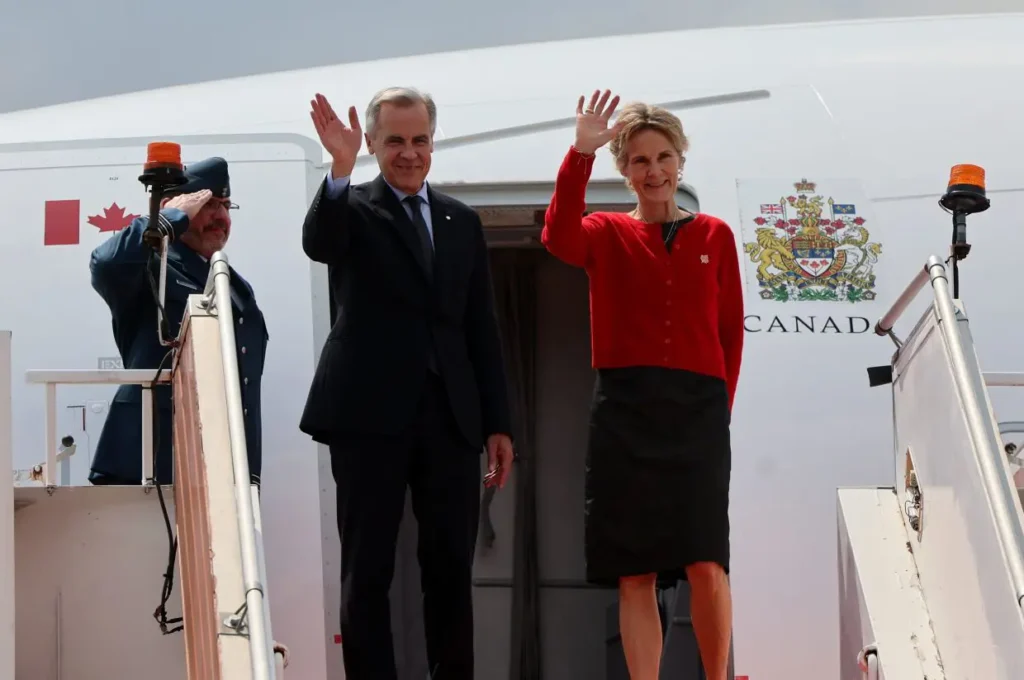
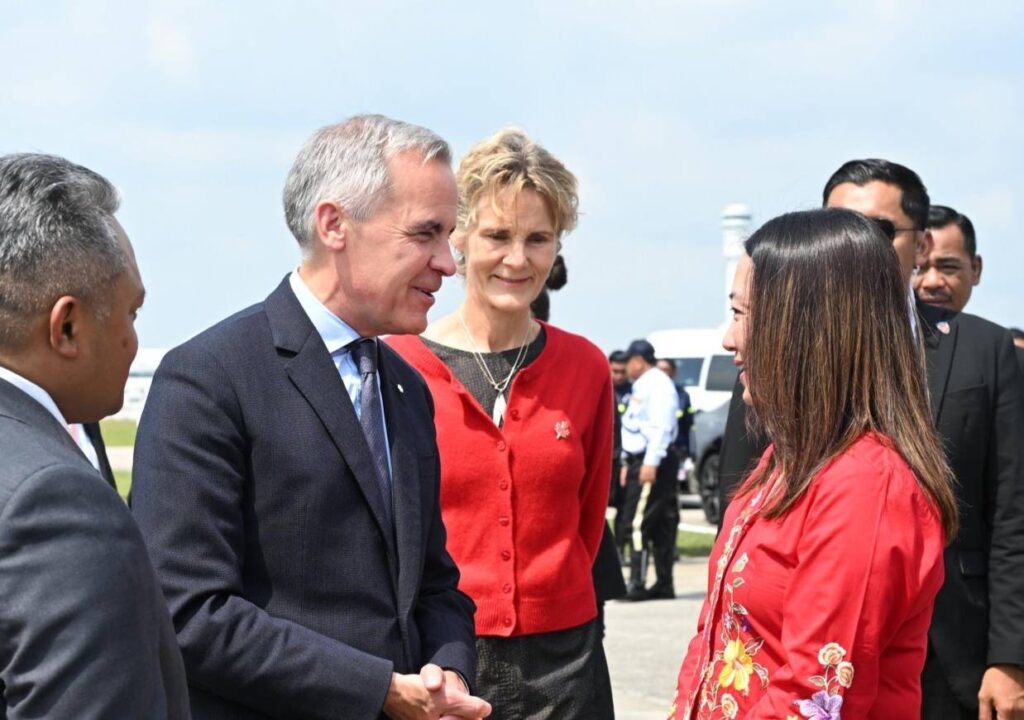
The contrast couldn’t have been more striking. As Prime Minister Carney descended from his aircraft at Kuala Lumpur International Airport, he was greeted by Malaysia’s Deputy Prime Minister, a full military honor guard, and traditional Malaysian cultural performers. The pomp and circumstance typically reserved for major global powers was bestowed upon Canada’s leader, signaling Southeast Asia’s enthusiasm for strengthening ties with Ottawa.
Meanwhile, President Trump’s arrival, though diplomatically correct, lacked the same ceremonial grandeur. More significantly, no ASEAN leaders arranged formal bilateral discussions with the American president during the summit—an unprecedented snub that speaks volumes about the current state of U.S.-Asian relations under the Trump administration.
“This isn’t just about protocol,” explained Dr. Jennifer Chen, Senior Fellow at the Institute for Pacific Studies. “When Asian nations roll out the red carpet for Canada while keeping America at arm’s length, they’re making a calculated statement about reliability, predictability, and shared values in international relations.”
Carney’s Ambitious Asia Strategy: Doubling Down on Diversification
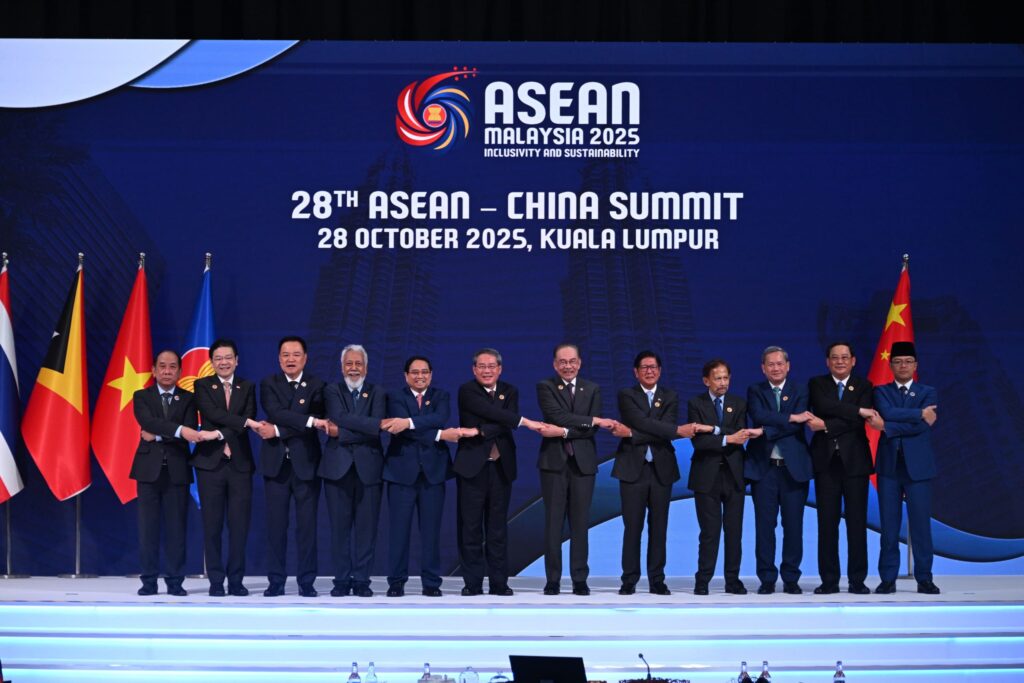
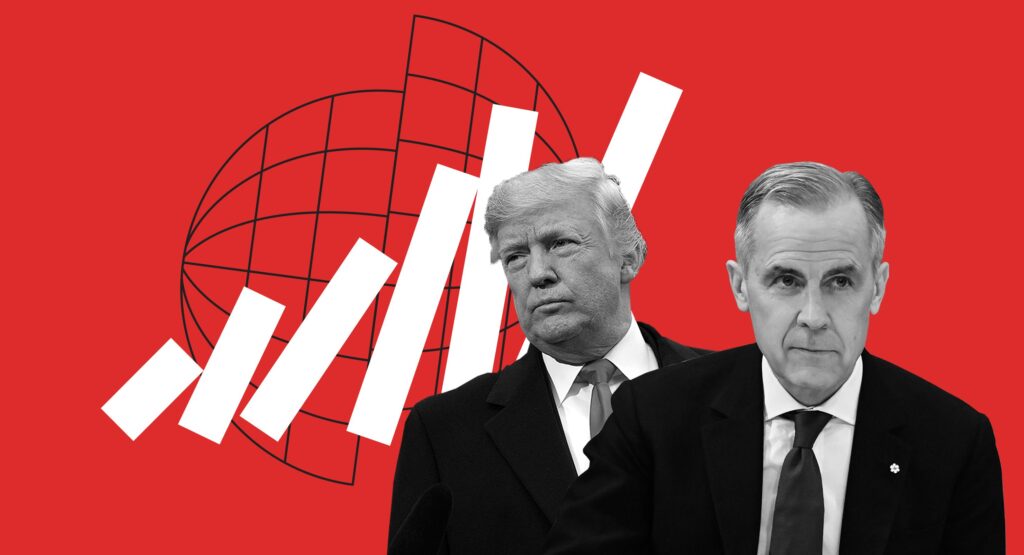
Prime Minister Carney’s visit to Malaysia marks the opening salvo in Canada’s most ambitious trade diversification strategy in generations. His mission is clear and quantifiable: double Canadian exports to markets outside the United States within the next decade. Given that approximately 75 percent of Canada’s exports currently flow to its southern neighbor, this represents a monumental economic pivot.
The strategy centers on ASEAN—the Association of Southeast Asian Nations—a dynamic economic bloc comprising ten member states with a combined GDP exceeding $3 trillion and a population of over 650 million people. This rapidly growing market represents one of the world’s most promising economic regions, with projected growth rates that dwarf those of established Western economies.
Related Post: Sadiq Khan FURIOUS After King Charles INTERVENES — London ERUPTS
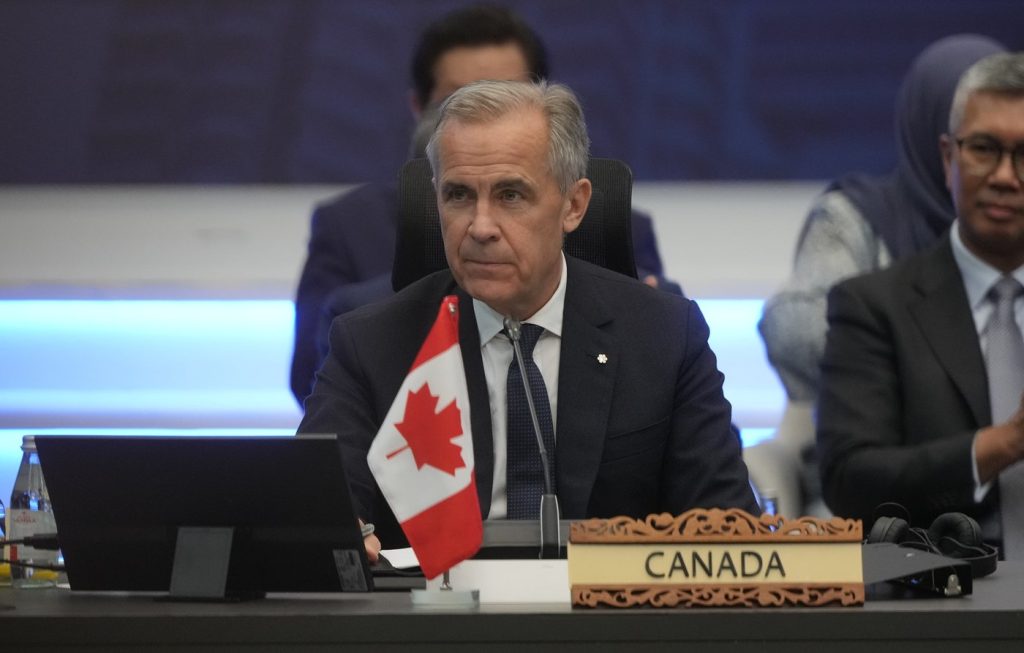
“We’re not the United States—we’re a reliable, rules-based partner,” Carney declared during his keynote address at the summit. This carefully crafted message resonated deeply with ASEAN leaders who have grown increasingly wary of Washington’s unpredictable policy shifts, particularly regarding trade agreements, security commitments, and climate initiatives.
The Trump Factor: How Unpredictability Created Opportunity
To understand why Canada is receiving such an enthusiastic welcome in Asia, one must examine the vacuum created by American foreign policy under President Trump’s leadership. The President’s “America First” approach, characterized by sudden tariff impositions, withdrawal from multilateral agreements, and transactional diplomacy, has left traditional U.S. allies searching for more stable partnerships.
Trump’s previous withdrawal from the Trans-Pacific Partnership (TPP)—a move that stunned America’s Asian allies—created exactly the opening Canada needed. While the United States retreated from multilateral trade frameworks, Canada doubled down on them, becoming a key player in the Comprehensive and Progressive Agreement for Trans-Pacific Partnership (CPTPP), which includes several ASEAN nations.
“Trump’s unpredictability made this necessary,” noted Thomas Richardson, former Canadian Ambassador to ASEAN. “But Carney’s government has transformed necessity into opportunity. What began as defensive diversification has evolved into an offensive economic strategy.”
The timing of Carney’s Asian tour is particularly significant. With Trump potentially facing another term or similar leadership succeeding him, Asian nations are actively seeking to reduce their economic dependence on the United States. Canada, with its reputation for stability, multilateralism, and adherence to international rules, presents an attractive alternative.
Beyond Malaysia: Singapore and South Korea in the Crosshairs
Prime Minister Carney’s Asian journey doesn’t end in Kuala Lumpur. His itinerary includes high-stakes visits to Singapore and South Korea—two economic powerhouses that represent critical nodes in Canada’s diversification strategy.
Singapore: The Gateway to Southeast Asia
Singapore, with its status as one of Asia’s premier financial centers and a strategic hub for regional trade, offers Canada a gateway to the broader Southeast Asian market. The city-state’s advanced economy, sophisticated infrastructure, and business-friendly environment make it an ideal partner for Canadian firms looking to establish regional headquarters.
During his Singapore visit, Carney is expected to announce expanded financial services cooperation, technology partnerships, and educational exchange programs. Canadian pension funds, already active in Asian infrastructure investments, are likely to deepen their Singapore connections, using the city-state as a launching pad for regional investments.

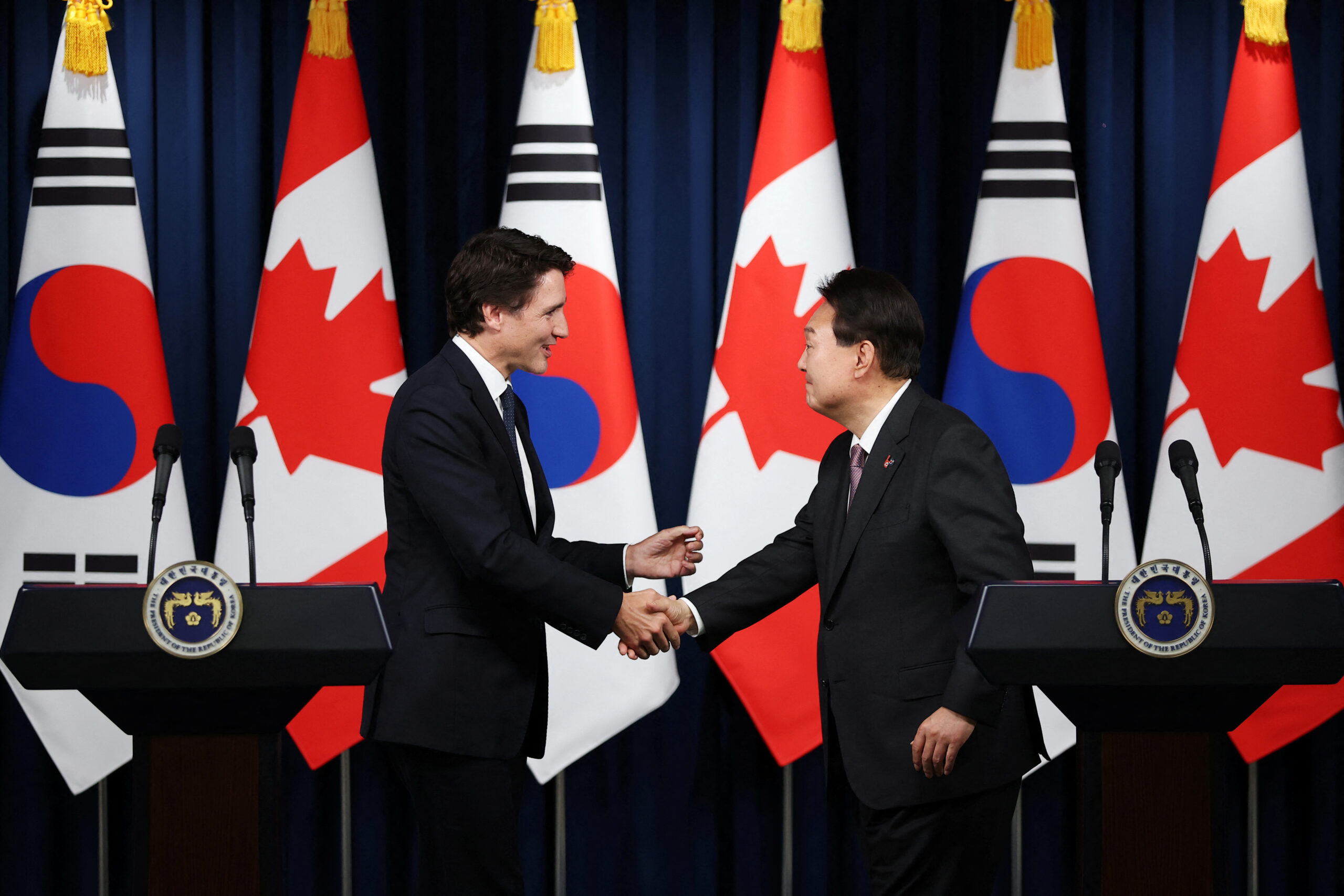
South Korea: Technology and Green Energy Alliance
The South Korea leg of Carney’s tour carries particular strategic significance. As one of the world’s most technologically advanced nations and a leader in green energy transition, South Korea aligns perfectly with Canada’s economic priorities. Both nations are investing heavily in clean technology, electric vehicle production, and advanced manufacturing.
Canada possesses abundant natural resources critical for the green economy—including lithium, cobalt, and rare earth elements—while South Korea offers advanced manufacturing capabilities and technology expertise. This complementary relationship has the potential to create a mutually beneficial partnership that reduces both nations’ dependence on Chinese supply chains.
“The Canada-South Korea relationship represents the future of strategic economic partnerships,” explained Dr. Sarah Kim, Professor of International Economics at the University of Toronto. “It’s not just about trade volumes—it’s about building resilient supply chains for the technologies that will define the 21st century economy.”
The Message to Washington: Canada’s Growing Independence
Perhaps the most significant aspect of Carney’s Asian tour is what it communicates to Washington. For decades, Canada’s foreign policy operated within the constraints of its overwhelming economic dependence on the United States. This dependence limited Ottawa’s ability to pursue independent foreign policy initiatives or criticize American positions on the global stage.
Carney’s Asia strategy represents a fundamental shift in this dynamic. By actively cultivating alternative markets and partnerships, Canada is creating the economic foundation for genuine foreign policy independence. This doesn’t mean abandoning the U.S.-Canada relationship—which remains vitally important—but it does mean that relationship will increasingly be one of choice rather than necessity.
“What we’re witnessing is Canada asserting itself as a middle power with global aspirations,” noted Michael Patterson, Director of the Centre for International Governance Innovation. “The United States can no longer take Canadian alignment for granted. Ottawa now has options.”
This newfound independence is already manifesting in policy differences. Canada has maintained stronger relationships with China than the United States prefers, refused to follow American positions on certain international disputes, and charted its own course on climate policy. As economic diversification proceeds, expect these policy divergences to become more pronounced.
ASEAN’s Perspective: Why Canada Matters
From ASEAN’s viewpoint, Canada represents an attractive partner for several compelling reasons. First, Canada carries none of the geopolitical baggage that complicates relationships with major powers. Unlike the United States and China, whose regional competition dominates Asian security calculations, Canada offers economic partnership without demanding political alignment.
Second, Canada’s middle-power status and commitment to multilateral institutions resonates with ASEAN’s own organizational culture. ASEAN nations value consensus-building, respect for sovereignty, and non-interference—principles that align closely with Canadian foreign policy traditions.
Third, Canada brings specific capabilities that ASEAN economies need. Canadian expertise in resource management, financial services, education, and clean technology addresses concrete development priorities across Southeast Asia. Canadian companies, known for ethical business practices and respect for local regulations, are viewed as preferable partners to more aggressive competitors.
“Canada is seen as a sincere partner rather than an opportunistic player,” explained Ambassador Dato’ Ramlan Ibrahim, Malaysia’s former representative to the CPTPP negotiations. “When Canadian officials say they want long-term partnerships based on mutual benefit, ASEAN leaders believe them.”

The Economic Reality: Can Canada Actually Achieve Its Goals?
While Carney’s diplomatic reception in Asia has been overwhelmingly positive, skeptics question whether Canada can realistically double its non-U.S. exports within a decade. The challenges are substantial. Canadian businesses, particularly small and medium enterprises, lack experience in Asian markets. Cultural and linguistic barriers remain significant. Geographic distance increases logistics costs. And powerful competitors—including the United States, China, Australia, and European nations—are all vying for the same Asian customers.
However, several factors work in Canada’s favor. The Canadian government has committed substantial resources to export promotion, including expanded trade offices across Asia, enhanced export financing, and regulatory streamlining for international business. Major Canadian pension funds, managing over $2 trillion in assets, are increasing Asian investments, creating networks that facilitate commercial relationships.
Furthermore, demographic trends favor Canada’s strategy. ASEAN’s young, growing population represents a massive consumer market hungry for products and services that Canadian companies excel at providing—from agricultural products to financial services to educational programs.
“Is it ambitious? Absolutely,” acknowledged Economics Professor Robert Chang at McGill University. “Is it achievable? With sustained commitment and smart execution, yes. The demand exists. The political will exists. Now it’s about implementation.”
Global Implications: A Multipolar World Takes Shape
The enthusiastic Asian reception for Prime Minister Carney, contrasted with the cold shoulder given to President Trump, illustrates a broader global trend: the emergence of a genuinely multipolar world order. For decades, international relations operated within a framework dominated by American power. That era is ending—not through sudden collapse but through gradual erosion as other nations develop alternatives.
Canada’s Asia pivot, Germany’s independent China policy, France’s strategic autonomy doctrine, and India’s non-aligned approach all reflect this transformation. Middle powers are increasingly asserting independence, pursuing national interests that may diverge from superpower preferences, and building coalitions that don’t require Washington’s blessing.
This multipolar reality creates both opportunities and risks. Opportunities for smaller nations to exercise greater agency and pursue diverse partnerships. Risks that the institutional architecture built during the American-led postwar order may weaken without a clear successor framework.
“We’re watching the international system fundamentally restructure itself,” observed Dr. Elizabeth Morrison, Chair of International Relations at the London School of Economics. “Carney’s Malaysian welcome isn’t just about Canada—it’s a symptom of tectonic shifts in global power distribution.”
Conclusion: The Beginning of Canada’s Pacific Century?
As Prime Minister Mark Carney departed Malaysia for Singapore, the images of his grand welcome circulated globally, prompting questions in Washington, discussion in Beijing, and satisfaction in Ottawa. Whether this moment represents the beginning of Canada’s “Pacific Century”—a fundamental reorientation toward Asia that defines the nation’s economic future—or merely a temporary diversification effort remains to be seen.
What is clear is that Canada is no longer content to be America’s junior partner, economically dependent and diplomatically constrained. The Asia strategy represents both economic necessity and political choice—necessity created by Trump-era uncertainty, choice enabled by Canada’s competitive advantages and Asia’s receptivity.
For the United States, Carney’s Malaysian reception should serve as a wake-up call. Allies who feel taken for granted will seek alternatives. Partners who face unpredictability will hedge their bets. The assumption that America’s traditional friends have nowhere else to go is being tested—and found wanting.
The coming decade will reveal whether Canada can actually achieve its ambitious export diversification goals. But regardless of the final numbers, the strategic direction is set. Canada is going global, and Asia is rolling out the red carpet.
Sources & References:
- ASEAN Secretariat Official Summit Documentation
- Canadian Department of Global Affairs Trade Statistics
- Institute for Pacific Studies Policy Briefs
- Centre for International Governance Innovation Research Papers
Keywords: Mark Carney Asia visit, Canada ASEAN relations, Trump diplomatic snub, Canada trade diversification, U.S.-Canada relations, ASEAN Summit 2025, Canadian exports strategy, Asia-Pacific partnerships, multipolar world order, Canadian foreign policy