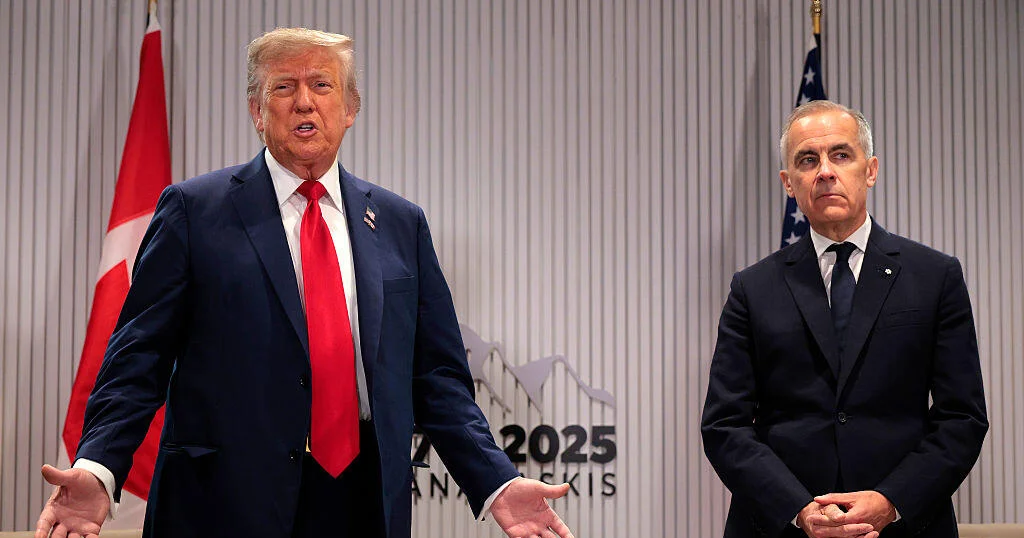
A diplomatic earthquake has struck North American relations, exposing the deepening rift between Washington and Ottawa. U.S. Ambassador Pete Hoekstra has reportedly crossed a stunning line, hurling insults and profanity at Canadian officials during what sources describe as an “explosive confrontation” in the nation’s capital.
The incident, which has sent shockwaves through diplomatic circles, appears to be far more than a momentary lapse in judgment—it’s a revealing symptom of Washington’s mounting frustration with Canada’s increasingly independent foreign policy under Prime Minister Mark Carney.
As Trump’s administration watches helplessly from the sidelines, Carney has been orchestrating a masterclass in modern diplomacy, forging powerful alliances across Asia, Europe, and beyond.
His calm, methodical approach to building a Canada less dependent on its southern neighbor is not just succeeding—it’s thriving. And if Hoekstra’s reported outburst is any indication, the Trump White House is feeling the sting of being outmaneuvered on the global stage.
The Diplomatic Incident That Shocked Ottawa
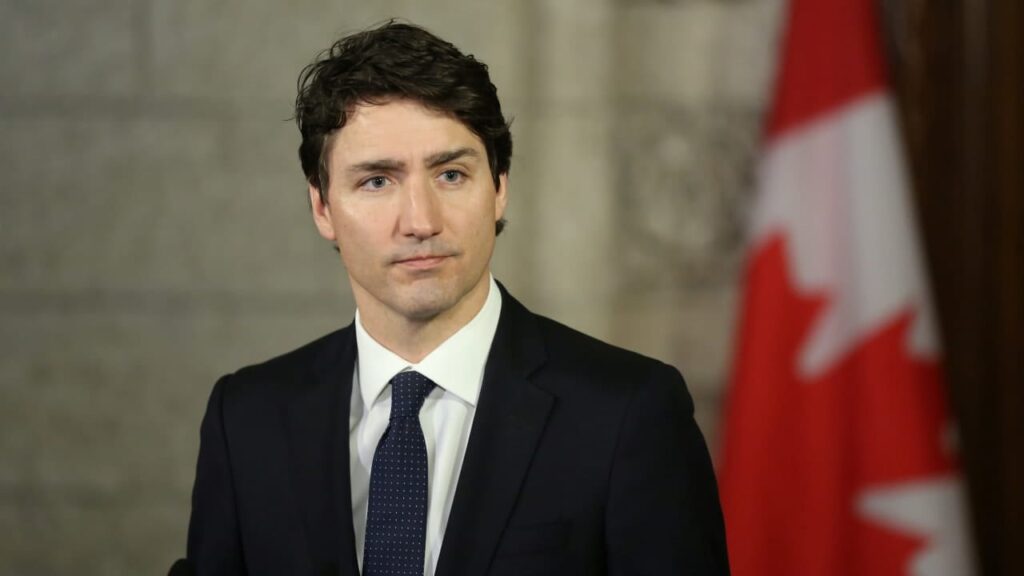
Details emerging from Ottawa paint a troubling picture of deteriorating U.S.-Canada relations. According to multiple sources familiar with the matter, Ambassador Hoekstra lost his composure during discussions with senior Canadian officials, resorting to what witnesses described as “undiplomatic language” and personal attacks against Canadian representatives.
The exchange, which took place during what was supposed to be routine bilateral discussions, quickly devolved into what one insider called “an unprecedented breach of diplomatic protocol.”
The incident has sparked immediate condemnation from Canadian politicians across party lines. Opposition leaders, typically critical of Carney’s government, have united in defense of Canadian dignity, calling Hoekstra’s behavior “unacceptable” and demanding a formal apology from Washington.
Former diplomats have expressed alarm at what they see as a dangerous erosion of the respectful relationship that has historically defined U.S.-Canada interactions.
“In my thirty years of diplomatic service, I have never witnessed an American ambassador behave this way toward Canadian officials,” stated a retired Canadian foreign service officer who requested anonymity. “This isn’t just about one man’s temper—it reflects a deeper frustration in Washington with Canada’s growing independence.”
Carney’s Global Chess Game: Building Alliances Beyond America
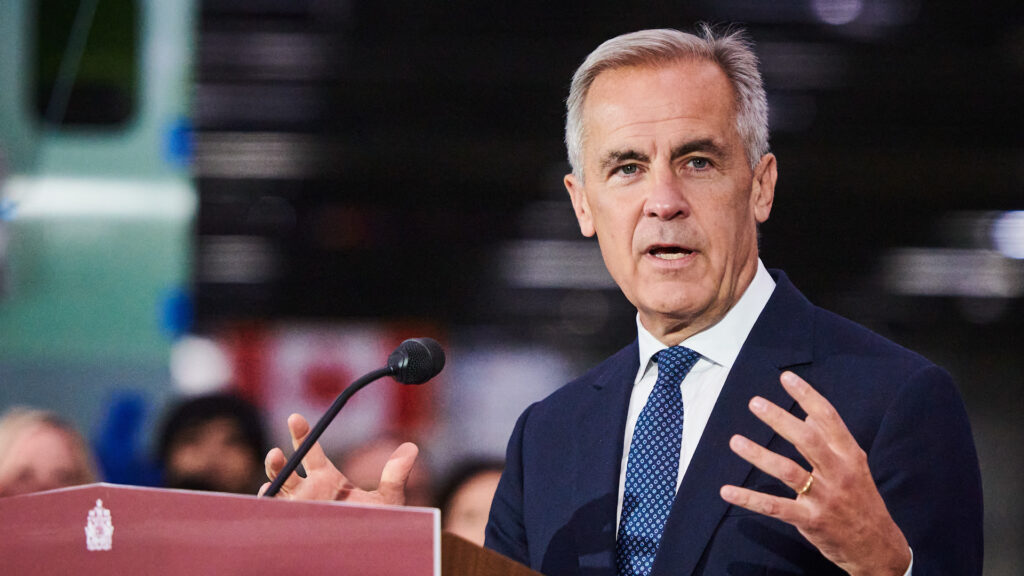
What’s driving this frustration? The answer lies in Carney’s remarkably successful pivot toward global partnerships that don’t revolve around Washington. Since taking office, the Canadian Prime Minister has embarked on an ambitious campaign to diversify Canada’s international relationships, and the results are starting to show in ways that clearly unsettle the Trump administration.
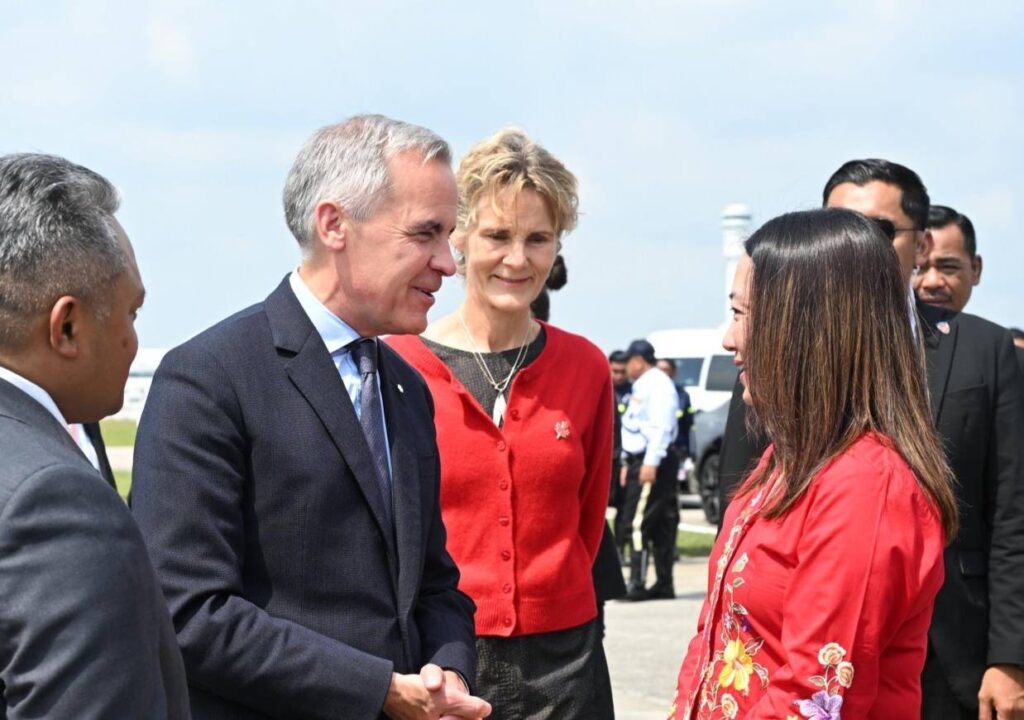
Carney’s recent trade mission to Asia yielded significant breakthroughs. Canada has strengthened economic ties with Japan, South Korea, and Vietnam, signing preliminary agreements that could reshape North American trade dynamics.
These partnerships offer Canadian businesses alternative markets for exports that have traditionally flowed south to the United States, reducing Canada’s economic vulnerability to American policy whims.
In Europe, Carney has been equally active. His government has accelerated negotiations to expand the Comprehensive Economic and Trade Agreement (CETA) with the European Union, positioning Canada as a preferred North American partner for European nations increasingly wary of Trump’s unpredictable trade policies. German Chancellor and French President have both publicly praised Carney’s “principled approach” to international cooperation—a thinly veiled contrast to Trump’s confrontational style.
The Strategic Isolation of Trump’s America
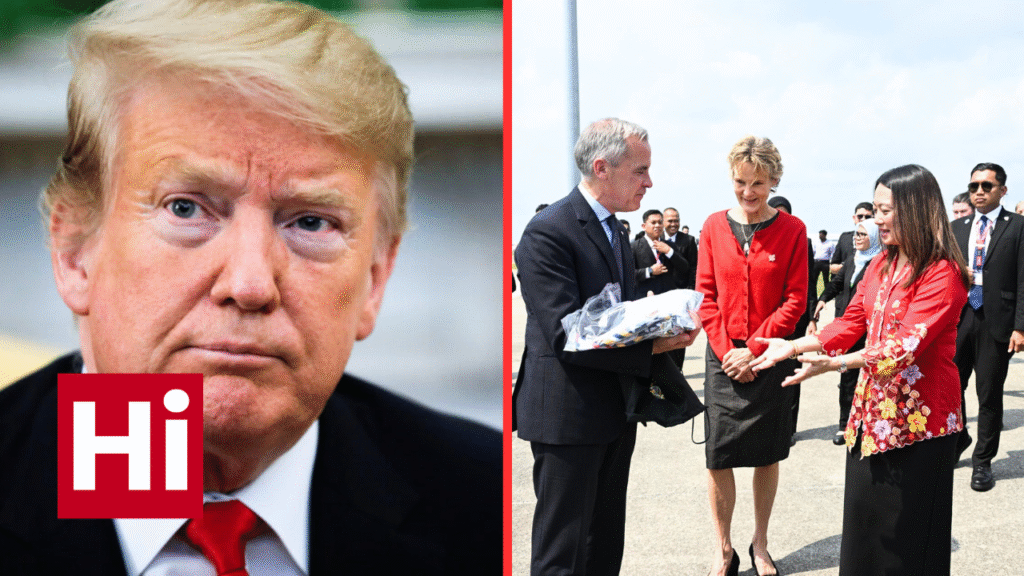
Carney’s strategy goes beyond simple trade diversification. Foreign policy analysts are noting a coordinated effort to position Canada as a “middle power leader” on issues where the Trump administration has abdicated traditional American leadership roles.
On climate change, multilateral cooperation, and support for international institutions, Canada is filling voids left by American withdrawal—and gaining international respect in the process.
“What Carney is doing is brilliant,” explains Dr. Sarah Mitchell, a professor of international relations at the University of Toronto. “He’s not directly confronting Trump, which would be counterproductive given the power imbalance.
Instead, he’s simply building relationships everywhere else, making Canada indispensable to global networks that increasingly exclude or minimize American influence.”
This approach is particularly evident in Canada’s renewed engagement with the Commonwealth and la Francophonie, multilateral organizations where Canada can exercise leadership without American involvement.
Carney has hosted summits, championed initiatives on digital governance and AI regulation, and positioned Canada as a bridge between developed and developing nations—roles the United States once dominated but has abandoned under Trump’s “America First” doctrine.
The results speak for themselves. International surveys show Canada’s global reputation has surged under Carney’s leadership, while America’s standing continues to decline. For a Trump administration obsessed with “winning,” watching a neighbor excel through cooperation rather than confrontation must be particularly galling.
Why Hoekstra’s Outburst Reveals Washington’s Weakness
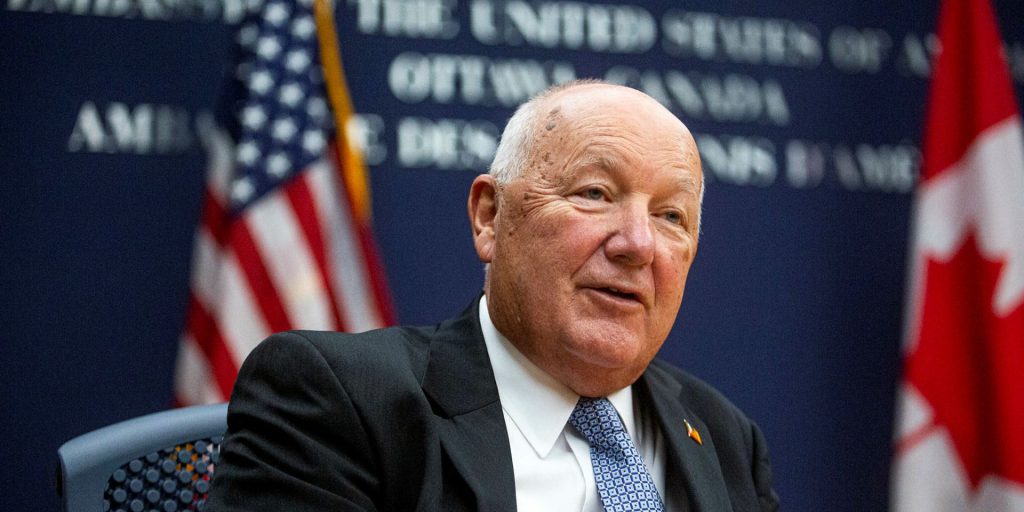
Diplomatic veterans recognize that Hoekstra’s reported behavior is symptomatic of a larger problem within Trump’s foreign policy apparatus. When ambassadors lose their composure and resort to insults, it typically signals that their traditional tools of influence—economic leverage, security cooperation, diplomatic pressure—are no longer producing desired results.
“An ambassador’s job is to advance their country’s interests through persuasion, relationship-building, and strategic communication,” notes Ambassador Richard Chen, who served under three previous U.S. administrations.
“When they resort to profanity and personal attacks, it means they’ve run out of effective arguments. Hoekstra’s outburst tells us that Canada is successfully resisting American pressure, and Washington doesn’t know how to respond.”
Related Post: Prince William Shocks Keir Starmer as Royal Family Erupts in Outrage Over Political Interference
The timing of the incident is particularly revealing. It occurred shortly after Canada announced a major infrastructure partnership with European allies that conspicuously excluded American companies—a deal that would have automatically included U.S. participation in previous decades.
It also followed Carney’s successful mediation of a trade dispute between two Asian nations, raising Canada’s profile as an honest broker in regions where American credibility has evaporated.
For Trump, accustomed to bullying smaller nations into submission, Carney’s success represents an infuriating anomaly. The Canadian Prime Minister isn’t picking fights, isn’t engaging in Twitter wars, and isn’t giving Trump the confrontation that might justify aggressive American responses. Instead, Carney is simply making Canada successful and respected—without Washington’s help or approval.
The Economic Dimension: Canada’s Strategic Pivot
The economic component of Carney’s strategy deserves particular attention, as it directly threatens American economic interests that have taken Canada’s market for granted. Under Carney’s leadership, Canada has accelerated efforts to reduce dependence on American markets, which have historically absorbed roughly 75% of Canadian exports.
Recent trade data shows this strategy is working. Canadian exports to Asia have increased by double-digit percentages, while the proportion heading to the United States has declined slightly but significantly.
More importantly, Canadian companies are establishing permanent operations and supply chains that bypass American intermediaries entirely, creating structural changes that will outlast any single administration.
Carney’s government has also invested heavily in infrastructure projects—ports, railways, and digital connectivity—that facilitate direct Canadian access to global markets without routing through American hubs.
The expansion of Pacific and Atlantic port facilities, coupled with new rail connections, is creating what analysts call “Canada’s global gateway strategy,” designed to make the country less dependent on American transportation networks.
These moves have not gone unnoticed in Washington. Trump’s trade officials have privately complained that Canada is “ungrateful” for American market access, according to leaked communications. But Carney has skillfully framed these initiatives not as anti-American, but as pro-Canadian—a subtle but important distinction that makes it difficult for Washington to mount effective opposition without appearing petty.
Carney’s Diplomatic Masterclass: Style Matters
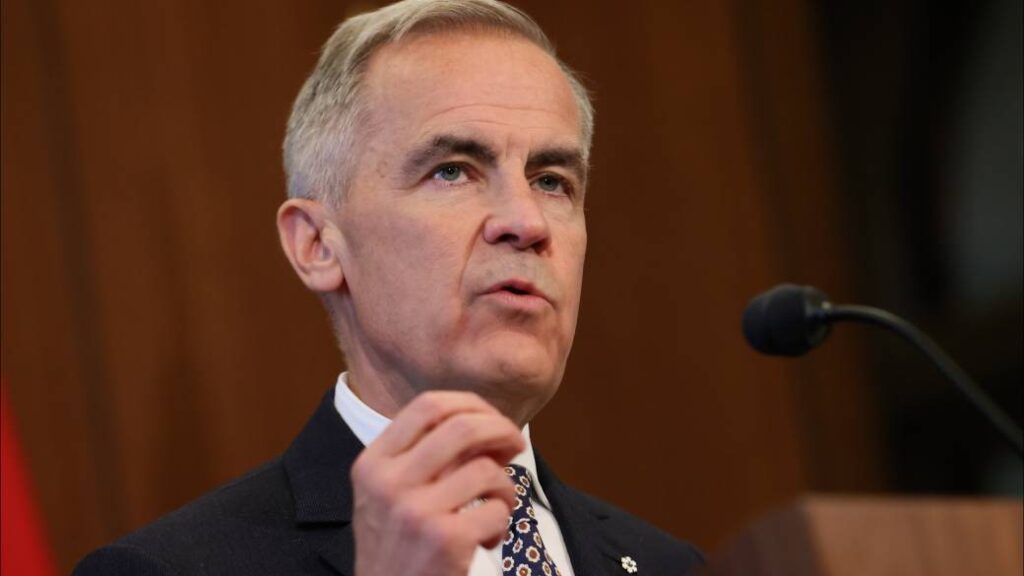
Perhaps most frustrating for the Trump administration is Carney’s unflappable diplomatic style. Where Trump favors bombast and confrontation, Carney employs what supporters call “calm assertiveness.” He doesn’t insult adversaries, doesn’t break diplomatic norms, and carefully maintains relationships even while pursuing policies that contradict American interests.
This approach has earned Carney admirers across the political spectrum internationally. European leaders appreciate his multilateralist instincts. Asian partners value his respectful engagement with diverse political systems. Even nations typically aligned with the United States find Carney’s Canada a more palatable partner on issues where Trump’s America has become toxic.
“Carney understands that in today’s world, soft power matters more than ever,” explains Professor James Anderson of the London School of Economics. “He’s building Canada’s influence through competence, reliability, and respect—everything the Trump administration lacks. That’s why Washington is so frustrated. They can’t compete with Carney on these terms.”
The contrast was vividly illustrated at recent international summits, where Carney was photographed in cordial discussions with leaders who openly avoided Trump. While the American President faced isolation and criticism, the Canadian Prime Minister was at the center of diplomatic activity, brokering discussions and building consensus. For an administration that measures success in photo opportunities and handshake hierarchies, these optics must be particularly painful.
The Security Dimension: Navigating NATO and NORAD
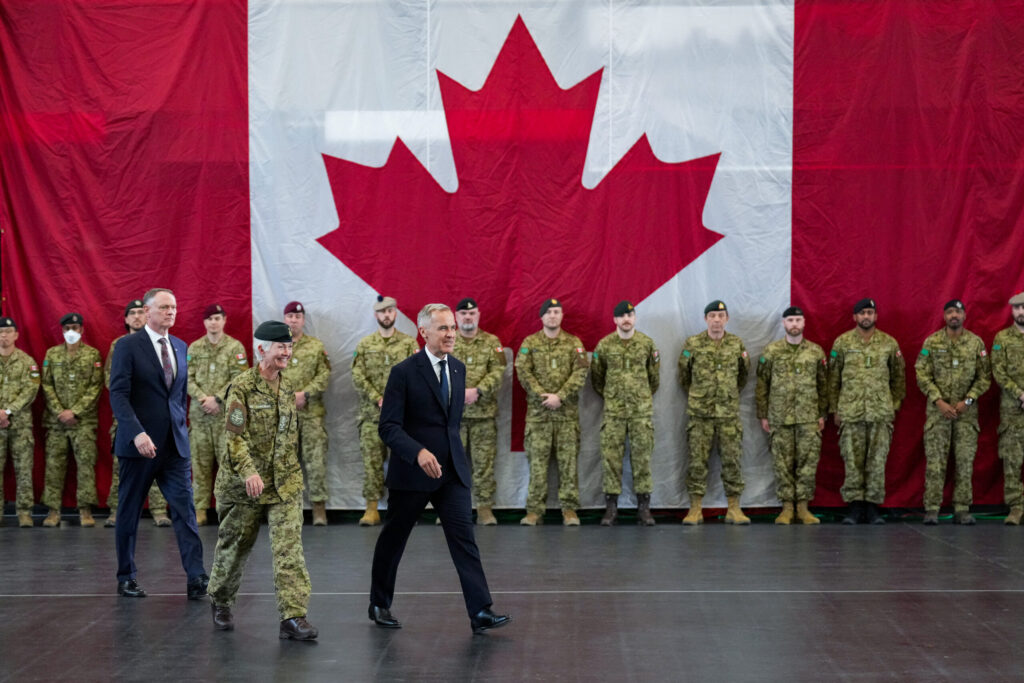
Carney’s success isn’t limited to trade and diplomacy—it extends into the traditionally sacrosanct realm of security cooperation. While maintaining Canada’s commitments to NATO and NORAD, Carney has subtly expanded Canada’s independent security capabilities and partnerships, reducing Canadian reliance on American military infrastructure.
Canada has announced significant defense spending increases, but with a twist—much of the new equipment is being sourced from European and Canadian manufacturers rather than defaulting to American suppliers as in the past.
This diversification serves dual purposes: it strengthens Canadian sovereignty while building deeper defense-industrial ties with European allies who share concerns about American reliability under Trump.
Furthermore, Carney has championed Canada’s participation in multilateral security initiatives that don’t center on American leadership. Canadian peacekeeping commitments have increased, Canadian officers are taking prominent roles in international security organizations, and Canada has become a key player in cybersecurity cooperation among democratic nations—building security relationships that bypass Washington’s traditional gatekeeping role.
These moves haven’t threatened core Canadian-American security cooperation, which both nations recognize as mutually beneficial. But they’ve created options and relationships that make Canada less vulnerable to American pressure, and that independence clearly rankles in a White House accustomed to treating Canada as a junior partner in security matters.
International Reaction: The World Watches and Judges
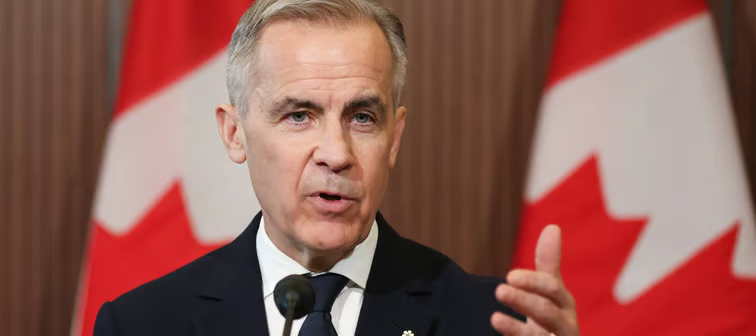
The international community’s reaction to the Hoekstra incident and broader U.S.-Canada tensions has been telling. While most governments have diplomatically avoided direct comment, the subtext of international statements clearly favors Canada’s position.
European Union officials have expressed “concern” about “respectful diplomatic dialogue”—carefully worded criticism clearly directed at American behavior. Asian partners have quietly accelerated discussions with Canada on various cooperation initiatives.
Even traditional American allies have signaled through diplomatic channels that they view Carney’s approach as more aligned with their interests than Trump’s confrontational style.
International media coverage has been less diplomatic. Major newspapers and news outlets across Europe, Asia, and Latin America have portrayed the incident as yet another example of American diplomatic incompetence under Trump.
Many outlets have explicitly contrasted Hoekstra’s reported behavior with Carney’s measured leadership, contributing to a narrative that Canada represents responsible governance while Trump’s America has become unpredictable and unreliable.
This international response matters because it reinforces Carney’s strategy. Every instance of American diplomatic overreach strengthens Canada’s case that diversification away from U.S. dependence is prudent. Every contrast between American bullying and Canadian cooperation makes Canada a more attractive partner for nations seeking alternatives to American hegemony.
What This Means for the Future of North American Relations
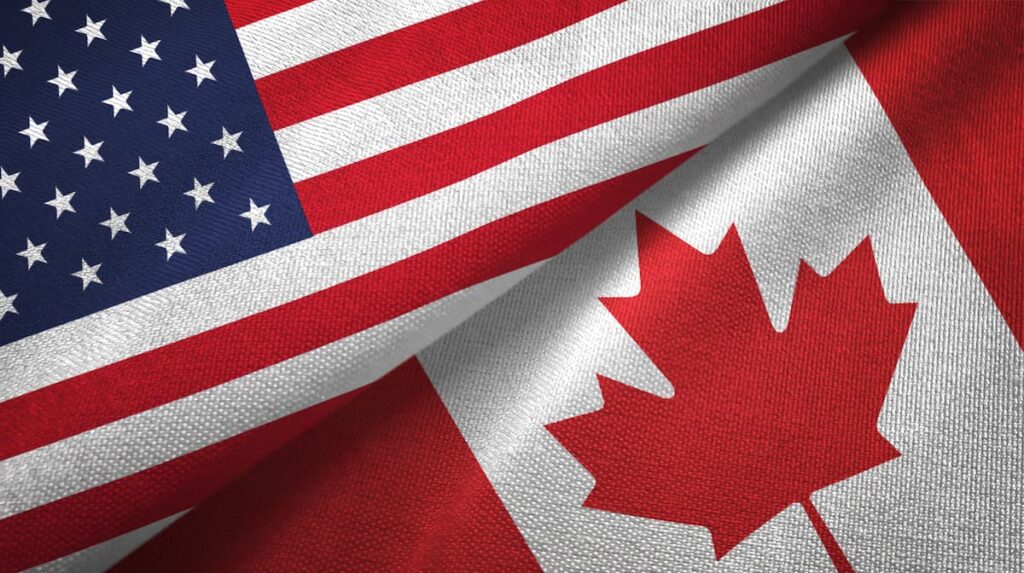
The Hoekstra incident, while dramatic, is likely just one chapter in a longer story of shifting North American dynamics. Carney’s success in reducing Canadian dependence on the United States represents a fundamental change in a relationship that has defined both nations’ foreign policies for generations.
For Canada, the implications are largely positive. Greater economic diversification provides resilience against American policy volatility. Stronger international relationships elevate Canada’s global standing. Reduced dependence on U.S. markets and security infrastructure enhances Canadian sovereignty.
Carney is building a Canada that can engage with America from a position of greater strength and independence—a transformation that will benefit Canadian interests regardless of who occupies the White House.
For the United States, the implications are more troubling. Losing influence over a neighbor and traditional ally signals declining American power in the most literal sense—Washington can no longer take for granted the compliance even of friendly nations on its borders. If Canada can successfully pivot away from American dependence, other nations will certainly take note and potentially follow similar paths.
The Trump administration’s response to this challenge—frustration, insults, and diplomatic incompetence exemplified by Hoekstra’s behavior—only accelerates the trend. Every instance of American diplomatic failure validates Carney’s strategy and encourages other nations to hedge their bets against American reliability.
Conclusion: Carney’s Quiet Victory
Mark Carney didn’t set out to embarrass the Trump administration or damage U.S.-Canada relations. His strategy has been defensive and prudent—building Canadian resilience against American unpredictability while maintaining necessary cooperation where mutual interests align.
But in executing this strategy with skill and success, he’s achieved something more significant: demonstrating that even America’s closest allies can chart independent courses when U.S. leadership falters.
Pete Hoekstra’s reported outburst is the sound of Washington confronting an uncomfortable reality—that competence, respect, and strategic vision matter more than economic size or military power in today’s interconnected world. Carney possesses these qualities; Trump’s administration does not. The ambassador’s frustration is understandable, even if his behavior was inexcusable.
As this diplomatic storm continues to unfold, one thing is clear: Carney’s Canada is rising on the world stage, and no amount of cursing from American ambassadors will change that trajectory.
The question now is whether Washington will learn from this episode and adapt its approach, or whether the Trump administration will continue down a path of alienating allies and diminishing American influence—one frustrated outburst at a time.
For continued coverage of Canada’s evolving role in global affairs and the changing dynamics of U.S.-Canada relations, subscribe to Canada Today.