‘Unpleasant loser’ Andrew Windsor will be shunned by ‘Turnip Taliban’ loyal to William and Kate
The disgraced Duke of York faces a frosty reception as he prepares to relocate to Norfolk’s royal estate, with locals and aristocracy alike expressing their disapproval of Andrew Mountbatten-Windsor’s imminent arrival at Sandringham.
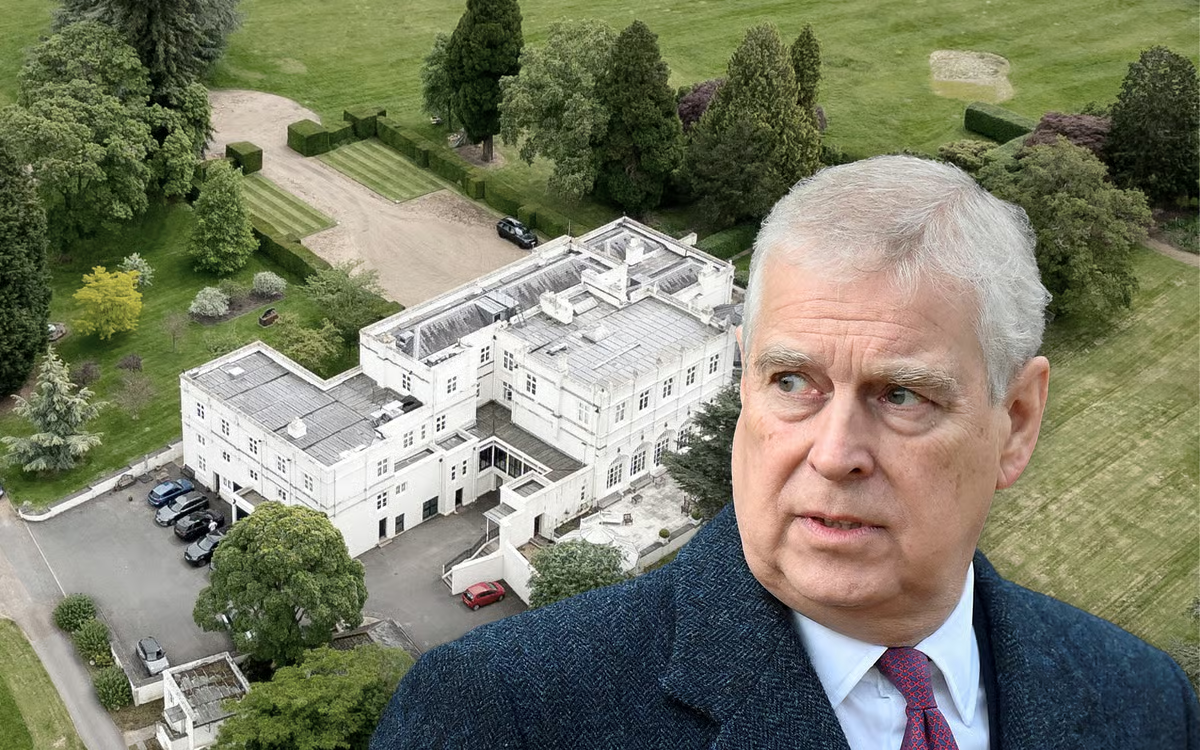
A Cold Welcome Awaits in Norfolk
Andrew Mountbatten-Windsor will not receive a warm welcome from locals when he moves to Sandringham in the New Year, according to Norfolk residents who have made their feelings abundantly clear about the controversial royal’s relocation.
The former Prince Andrew, who was stripped of his military titles and royal patronages in 2022, is being forced to leave his beloved Royal Lodge in Windsor following a protracted dispute with King Charles III over the property’s upkeep and security costs.
In a revealing article for the Spectator, Justin Marozzi – who has lived with his wife in Norfolk for 25 years – spoke to several local people about the shamed former prince, and their responses painted a picture of a community united in its disapproval.
The sentiment among Norfolk’s residents, including members of the so-called “Turnip Taliban” – the nickname given to the county’s wealthy, well-connected aristocratic families – suggests that Andrew’s exile to the royal estate will be anything but comfortable.
The ‘Turnip Taliban’ Turn Their Backs
The term “Turnip Taliban” has long been used, sometimes affectionately and sometimes pejoratively, to describe Norfolk’s upper-crust social circle – families who have owned land in the county for generations and who form a tight-knit community fiercely protective of their territory and values.
These influential locals, many of whom are close to the Prince and Princess of Wales, have reportedly made it clear that the disgraced Duke will not be welcomed into their social gatherings or country pursuits.
According to Marozzi’s interviews, the Norfolk aristocracy’s loyalty lies firmly with Prince William and Catherine, who have made their primary residence at Anmer Hall on the Sandringham estate since 2013. The couple, along with their three children, are beloved in the local community, regularly seen at church services, local events, and engaging warmly with residents. The contrast with Andrew could not be more stark.
Related Post: 1 MIN AGO: Prince William SHOCKS Labour LIVE — Starmer SILENCED on AIR!
“He won’t be getting any invitations to dinner parties, that’s for certain,” one unnamed Norfolk landowner told Marozzi. “People here are very loyal to William and Catherine. They’ve earned respect through years of being proper neighbors and contributing to the community. Andrew represents everything opposite to that.”
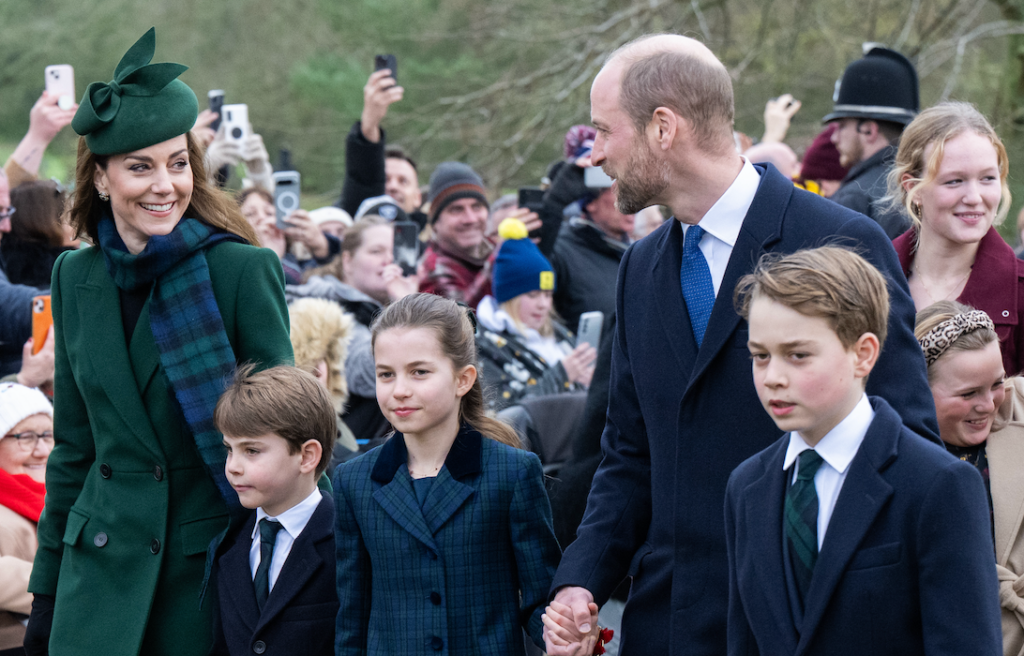
A ‘Slow Death’ in Dreary Isolation
Sources close to the royal family have described Andrew’s impending move as a “slow death” – a deliberate strategy by King Charles to push his troublesome younger brother further from the public eye while avoiding the optics of completely cutting him off.
The monarch has reportedly been determined to resolve the “Andrew problem” since ascending the throne, and the move from the prestigious Royal Lodge to a more modest dwelling on the Sandringham estate represents a significant downgrade in both status and comfort.
Royal Lodge, a 30-room mansion in Windsor Great Park, has been Andrew’s home since 2003, when he signed a 75-year lease on the property. The Duke spent an estimated £7.5 million of his own money renovating the Grade II-listed building, making it one of the most comfortable and prestigious royal residences outside the main palaces.
However, the annual upkeep costs of approximately £400,000, combined with security expenses reportedly running into millions, have become untenable following Andrew’s fall from grace.
The property he is expected to move into – believed to be Wood Farm, a five-bedroom cottage on the Sandringham estate – was previously the late Prince Philip’s retirement retreat. While charming, it represents a dramatic reduction in space and grandeur, and crucially, it places Andrew firmly under the King’s watchful eye while isolating him from London society.
Local Residents Voice Their Concerns
Marozzi’s conversations with Norfolk residents revealed a community deeply uncomfortable with Andrew’s arrival. Unlike the warm reception extended to William and Catherine over a decade ago, locals expressed concerns ranging from the practical to the moral.
“We’re a close community here, and we look after each other,” one village shop owner in a settlement near Sandringham told the journalist. “People remember what he was accused of, and they remember he paid a settlement. That doesn’t sit well with folks around here, regardless of royal titles.”
Another resident, a farmer who has lived in Norfolk for four decades, was more blunt: “He’s an unpleasant loser who thought he could ride out the scandal. Well, he’s finding out that actions have consequences. Even moving to the back of beyond in Norfolk won’t make people forget.”
The references to Andrew’s infamous association with convicted sex offender Jeffrey Epstein and the subsequent civil lawsuit brought by Virginia Giuffre continue to cast a long shadow. Although Andrew has consistently denied all allegations and the case was settled out of court in February 2022 for a reported £12 million, the damage to his reputation has been irreversible.
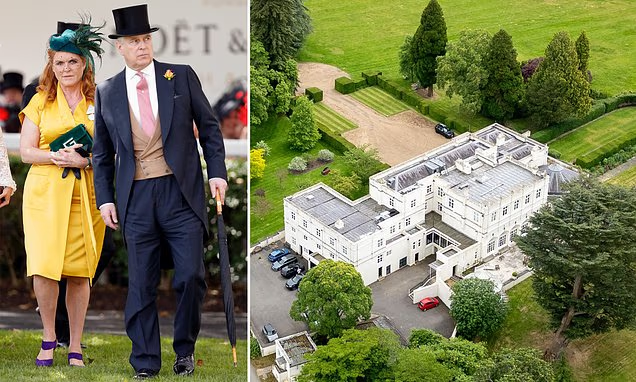
The King’s Strategic Isolation
Royal commentators have noted that King Charles’s handling of the Andrew situation demonstrates a careful balance between family loyalty and protecting the institution of the monarchy. By moving Andrew to Sandringham rather than completely severing ties, the King maintains the appearance of brotherly support while effectively sidelining him.
“This is strategic isolation,” explained royal historian Dr. Emma Pemberton in a recent interview. “Sandringham in winter is bleak, remote, and offers none of the social opportunities that Andrew has been accustomed to in Windsor. He’ll be close enough to family that Charles can say he’s being looked after, but far enough from London that he can’t cause any more embarrassment.”
The timing of the move is also significant. With William and Catherine increasingly taking on senior royal duties and preparing for their future roles as King and Queen, the last thing the royal family needs is Andrew’s presence at Windsor creating unwanted associations and media attention. Norfolk offers the perfect solution – a royal property where Andrew can be housed while being kept well away from the action.
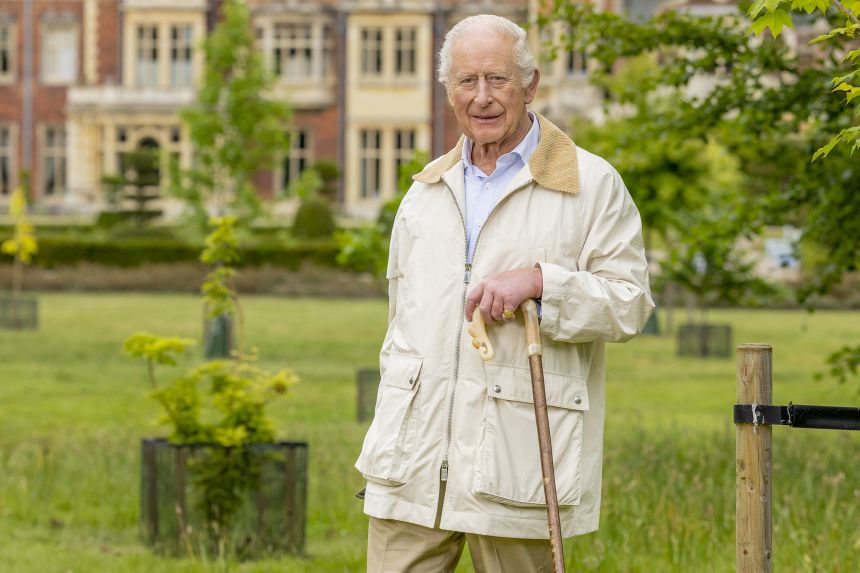
The Wales Family’s Norfolk Sanctuary
For Prince William and Catherine, Norfolk has become a genuine sanctuary – a place where they can raise their children with relative normality and enjoy the privacy they rarely experience in London. Anmer Hall, gifted to them by Queen Elizabeth II as a wedding present, has been extensively renovated and serves as their retreat from royal duties.
The local community has embraced the Wales family warmly, with residents reporting regular sightings of the couple and their children at local shops, sports events, and church services. William has been spotted enjoying pints at local pubs, while Catherine has been seen shopping at farm shops and attending her children’s school events.
This hard-won acceptance and affection from the Norfolk community makes Andrew’s arrival all the more problematic. The “Turnip Taliban” and other locals have made it abundantly clear where their loyalties lie, and it is not with the disgraced Duke.
“William and Kate have earned their place here through years of being decent, down-to-earth neighbors,” a regular at a local pub near Sandringham explained. “They don’t act like they’re above anyone, despite being future King and Queen. Andrew, on the other hand, has always had a reputation for being entitled and difficult. That doesn’t play well in Norfolk.”
A Reputation That Preceded Him
Even before the Epstein scandal, Andrew had cultivated a reputation that would not serve him well in the socially conservative Norfolk countryside. Known in royal circles as “Air Miles Andy” for his expensive tastes and frequent use of private jets and helicopters for official duties, he has long been perceived as entitled and out of touch.
His disastrous 2019 BBC Newsnight interview with Emily Maitlis, in which he attempted to explain his friendship with Jeffrey Epstein and address allegations made against him, became one of the most damaging moments in modern royal history.
His claims that he couldn’t have been at a London nightclub with Virginia Giuffre because he was at a Pizza Express in Woking, and his assertion that he couldn’t sweat due to an overdose of adrenaline during the Falklands War, were widely ridiculed and disbelieved.
“That interview was the final nail in the coffin for his reputation,” said media analyst Charlotte Stevens. “He came across as arrogant, lacking empathy, and completely out of touch with reality. People in Norfolk, like people everywhere, watched that interview and made up their minds about him.”
The Financial Reality
Beyond the social ostracism Andrew faces, there are practical financial considerations that have forced this move. Since being effectively fired from royal duties, Andrew has lost his £249,000 annual sovereign grant allowance for official expenses.
While he still receives income from his Royal Navy pension and, reportedly, an allowance from the King, maintaining Royal Lodge has become financially impossible.
The property requires constant upkeep due to its size and listed building status, with painting alone estimated to cost £400,000 every five years. Security costs, previously covered by the Metropolitan Police as part of Andrew’s protection as a working royal, have been withdrawn, meaning private security would cost millions annually – money Andrew simply doesn’t have.
King Charles’s offer of Frogmore Cottage – the former home of Prince Harry and Meghan Markle – was initially rejected by Andrew as too small and humiliating.
However, with the grace-and-favour lease on Royal Lodge reportedly being terminated, Andrew has little choice but to accept whatever accommodation the King provides, which appears to be the modest Wood Farm.
No Escape from the Past
What makes Andrew’s situation particularly uncomfortable is that, unlike other royals who have fallen from grace and eventually been rehabilitated, there appears to be no path back for the Duke of York. The nature of the allegations against him, combined with his perceived lack of remorse or accountability, has created an unbridgeable gap between him and public forgiveness.
“This isn’t like Camilla overcoming her unpopularity after Diana’s death, or even Harry and Meghan potentially being welcomed back one day,” explained royal commentator Richard Fitzwilliams.
“The allegations against Andrew are of such a serious criminal nature that he can never return to public life. The best he can hope for is a quiet retirement far from the spotlight.”
Norfolk residents seem to agree. The consensus among those interviewed by Marozzi and other journalists is that Andrew should consider himself fortunate to have a roof over his head on a royal estate at all, and that he should expect no warm welcomes, no social invitations, and no integration into the community that has embraced his nephew and niece-in-law so warmly.
The Christmas Question
One particularly thorny issue that has emerged is whether Andrew will be welcome at the royal family’s traditional Christmas celebrations at Sandringham. In recent years, he has been conspicuously absent from public-facing elements of the festivities, including the famous Christmas Day walk to church.
Sources suggest that while he may be present at private family gatherings, he will not be joining the public elements of Christmas at Sandringham, partly to avoid the media frenzy that would inevitably follow, but also to respect the feelings of local residents who have made their disapproval clear.
“The last thing anyone wants is for Andrew to be walking to church on Christmas morning with William and Catherine looking uncomfortable beside him,” a palace source reportedly told friends. “It would be a PR disaster and deeply unfair to William and Catherine, who have worked so hard to build their reputation.”
Conclusion: A Gilded Cage in Norfolk
As Andrew Mountbatten-Windsor prepares for his move to Norfolk in the New Year, he faces the reality of a dramatically diminished existence. Far from the glamour and excitement of royal life in London and Windsor, he will find himself in a county that has made clear he is not welcome beyond the gates of the estate.
The “Turnip Taliban” – Norfolk’s aristocratic elite who have embraced William and Catherine so warmly – have closed ranks against him. Local residents, many of whom harbor deep disapproval of his past conduct, offer no sympathy for his reduced circumstances. Even the landscape itself – flat, windswept, and isolated during the winter months – seems to mirror the bleakness of his situation.
This is Andrew’s fate: a comfortable but lonely exile, supported financially by the King but socially abandoned by almost everyone except his immediate family. It is, as sources have described it, a “slow death” of reputation, relevance, and purpose.
For a man who once enjoyed the trappings of royal privilege and the excitement of international travel and high society, Norfolk represents not just a change of address, but the end of the life he once knew.
Whether this isolation will lead to reflection and genuine contrition remains to be seen. For now, Andrew Windsor must prepare himself for cold winters in more ways than one.
SEO Keywords: Andrew Windsor, Prince Andrew, Sandringham, Norfolk, Royal Family, King Charles, Prince William, Kate Middleton, Turnip Taliban, Royal Lodge, Wood Farm, Duke of York
Sources Referenced:
- The Spectator (Justin Marozzi article)
- BBC News (Royal Lodge lease information)
- Norfolk local residents (anonymous interviews)
- Royal historians and commentators