£40B TAX SHOCK — Britain’s Economy COLLAPSES Under Starmer | News UK
Chancellor Rachel Reeves’ historic budget announcement has sent shockwaves through British financial markets, with £40 billion in new taxes threatening to reshape the nation’s economic landscape
Britain stands at a critical economic crossroads as Prime Minister Keir Starmer’s Labour government unveils what critics are calling the most punishing tax package in a generation. With the nation’s debt-to-GDP ratio soaring to 98.5% and investor confidence wavering, the government’s latest fiscal measures have ignited fierce debate about the country’s economic future and the political promises that brought Labour to power.
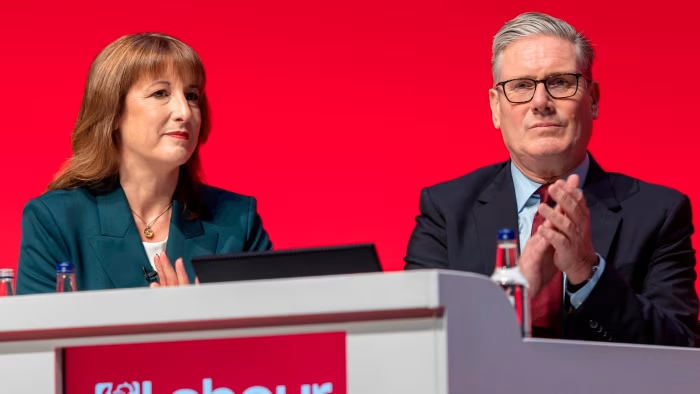
The £40 Billion Question: Breaking Down Britain’s Tax Bombshell
Chancellor Rachel Reeves delivered her highly anticipated Autumn Budget to Parliament amid extraordinary scrutiny, confirming what many economists had feared: Britain faces one of the largest tax increases in its modern history.
The £40 billion tax package represents approximately 1.4% of GDP, making it one of the most significant fiscal tightening measures since the aftermath of the 2008 financial crisis.
The comprehensive tax plan includes increases across multiple sectors, affecting businesses, high earners, and investors alike. National Insurance contributions for employers are set to rise by 1.2 percentage points to 15%, while the threshold at which employers begin paying National Insurance will drop from £9,100 to £5,000 annually.
This change alone is projected to raise approximately £25 billion per year by 2029, according to Treasury estimates.
Capital gains tax rates have also faced upward revision, with the lower rate increasing from 10% to 18% and the higher rate climbing from 20% to 24%. The changes spare residential property sales but will significantly impact investors and business owners looking to sell assets.
The Debt Crisis: Britain’s 98.5% Debt-to-GDP Ratio Explained
Perhaps the most alarming figure emerging from the budget discussions is Britain’s debt-to-GDP ratio, which has reached 98.5% — levels not seen since the early 1960s when the country was still recovering from World War II debts.
This metric, which measures a country’s public debt against its gross domestic product, serves as a crucial indicator of economic health and sustainability.
Related Post: TODAY: Prince Andrew EXPLODES At Starmer — Royal Title In Danger | UK Parliament Shaken
The Office for Budget Responsibility (OBR), Britain’s independent fiscal watchdog, has warned that without significant intervention, public sector net debt could exceed 100% of GDP within the next two fiscal years.
This threshold is psychologically and economically significant, often triggering concerns among international investors and credit rating agencies about a nation’s ability to service its obligations.
Economists point to several factors contributing to this debt accumulation. The COVID-19 pandemic forced the government to implement unprecedented support measures, including furlough schemes that cost over £70 billion. The energy price crisis following Russia’s invasion of Ukraine required additional billions in household support.
Meanwhile, an aging population continues to place mounting pressure on the NHS and social care systems, with healthcare spending alone consuming nearly 40% of all government departmental expenditure.
Broken Promises: The Tax Pledge That Haunted Labour’s Victory
The political fallout from the budget centers on what many voters perceive as broken promises. During the general election campaign that brought Labour to power, Keir Starmer and his team repeatedly pledged not to raise taxes on “working people.”
The phrase became a cornerstone of Labour’s pitch to voters, distinguishing their approach from the Conservative government’s record of tax increases under Prime Ministers Boris Johnson, Liz Truss, and Rishi Sunak.

Political analysts note that while the government has technically kept its promise to avoid increases in income tax, National Insurance contributions for employees, and VAT, the employer National Insurance hike and capital gains tax increases affect far more Britons than Labour’s narrow definition of “working people” might suggest.
“The employer National Insurance increase will inevitably be passed on to workers through lower wage growth, reduced hiring, and potentially job cuts,” explains Professor Sarah Mitchell, an economist at the London School of Economics. “Businesses don’t absorb these costs — they’re transmitted through the economy in ways that ultimately impact employees.”
Small and medium-sized enterprises have been particularly vocal in their criticism. The Federation of Small Businesses estimates that the average small employer will face an additional £5,000 in annual costs, money that would otherwise go toward expansion, equipment, or wage increases.
Market Reactions: Sterling Under Pressure as Investors Reassess UK Holdings
Financial markets responded swiftly to the budget announcement, with the pound sterling experiencing volatility against major currencies.
The GBP/USD exchange rate dropped by 0.8% in the immediate aftermath of Reeves’ speech, while the FTSE 100 index saw selective selling pressure, particularly in domestic-facing sectors expected to bear the brunt of increased taxation.
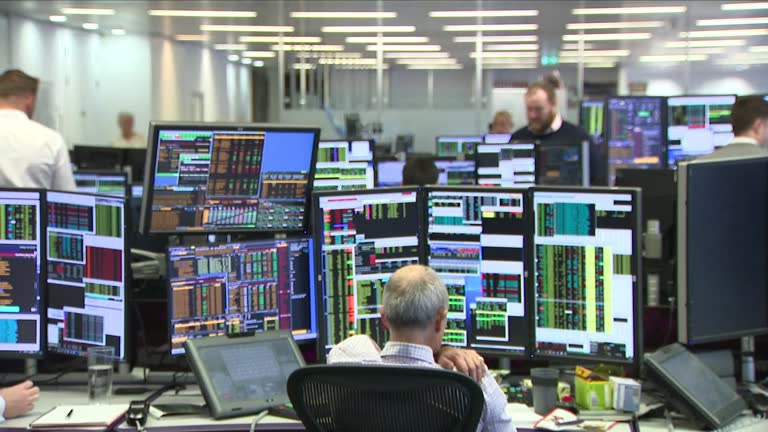
Government bond yields — the interest rate Britain must pay to borrow money — initially rose by 12 basis points on 10-year gilts, suggesting investors are demanding higher returns to compensate for increased fiscal risk.
However, some analysts argue this response was relatively muted compared to the dramatic market panic that greeted former Prime Minister Liz Truss’s mini-budget in September 2022.
“The difference between now and the Truss budget is that these tax rises are actually funded and fiscally responsible, even if politically painful,” notes James Weatherby, chief economist at Capital Economics. “Markets are concerned about growth implications, but they’re not panicking about fiscal stability.”
International investors have expressed caution about Britain’s business environment. Several American technology companies have privately indicated concerns about expanding UK operations given the increased employer costs, while some financial services firms are reconsidering planned moves from European financial centers to London.
Public Response: Protests and Political Pressure Mount
Beyond financial markets, the streets of Britain have seen growing public demonstrations against the government’s fiscal approach.
Protests erupted in London, Manchester, Birmingham, and Glasgow within hours of the budget announcement, with thousands of demonstrators expressing anger at what they perceive as a betrayal of electoral promises.
Trade unions have signaled potential industrial action if the employer National Insurance increase leads to public sector pay constraints. The Trades Union Congress, representing 5.5 million workers, has called the budget “a tax on jobs” and warned that it could derail negotiations for pay settlements across various sectors.
Meanwhile, the Conservative Party opposition has seized on the budget as vindication of their campaign warnings about Labour’s fiscal intentions. Former Chancellor Jeremy Hunt told Parliament that Labour had “shown their true colors” and accused the government of implementing “the biggest tax-raising budget in British peacetime history.”
Opinion polling conducted in the immediate aftermath shows Labour’s approval rating dropping by six percentage points, with trust in Keir Starmer’s leadership falling to its lowest level since the election. However, political experts caution that public opinion often shifts as the immediate shock of budget announcements fades.
The Healthcare Dilemma: NHS Funding and Fiscal Reality
A significant portion of the new tax revenue has been earmarked for the National Health Service, which faces an unprecedented crisis of waiting lists, staff shortages, and crumbling infrastructure.
The budget allocates an additional £22.6 billion for NHS England over two years, representing the largest cash increase since 2010, adjusted for inflation.

Health Secretary Wes Streeting has described the NHS as “broken but not beaten,” acknowledging that years of underinvestment have created backlogs that cannot be resolved overnight. Current waiting lists exceed 7.6 million people, with some patients waiting more than 18 months for routine procedures.
The government argues that tax increases are necessary to rescue essential public services that deteriorated under Conservative management. “We inherited an economy with £22 billion in unfunded commitments and public services on their knees,” Chancellor Reeves told Parliament. “We’re making honest choices about how to pay for the Britain people voted for.”
Critics counter that the NHS has consistently received funding increases yet continues to underperform compared to healthcare systems in comparable economies, suggesting that structural reforms rather than additional funding may be necessary.
Business Impact: From High Streets to Corporate Boardrooms
The ripple effects of the £40 billion tax package extend across Britain’s diverse business landscape, from corner shops to multinational corporations.
Retail organizations warn that the employer National Insurance increase comes at a particularly challenging time, with many businesses still recovering from pandemic-era debts and facing increased costs from higher minimum wage requirements.
The British Retail Consortium estimates that the combined impact of higher National Insurance, increased minimum wage, and other regulatory costs will add £7 billion annually to the sector’s operating expenses. Some retailers have indicated they may need to reduce staff hours, slow expansion plans, or even close unprofitable locations.

The hospitality sector faces similar pressures, with restaurants, pubs, and hotels operating on notoriously thin profit margins. UKHospitality, the industry trade body, warns that up to 100,000 jobs could be at risk if businesses cannot absorb the additional costs without passing them on through reduced employment or higher prices.
Manufacturing and technology sectors express different concerns. Advanced manufacturing firms worry that increased costs will diminish their competitiveness against international rivals, particularly in export markets. Technology startups, many of which are pre-profit and employ significant numbers of staff, face difficult decisions about whether to remain headquartered in Britain or relocate to lower-cost jurisdictions.
International Comparisons: How Britain Stacks Up Globally
Placing Britain’s fiscal situation in international context reveals both concerning trends and some reasons for cautious optimism. Among G7 nations, Britain’s projected debt-to-GDP ratio of 98.5% places it ahead of Germany (65%) and Canada (82%) but behind Japan (255%), Italy (144%), and the United States (123%).
Tax burden comparisons show Britain moving toward the higher end among developed economies. The Office for Budget Responsibility projects that total taxation will reach 38% of GDP by 2028-29, the highest sustained level since the late 1940s. This compares to approximately 27% in the United States, 45% in France, and 39% in Germany.
However, Britain’s economic challenges must be understood within the broader context of post-pandemic fiscal stress affecting virtually all developed nations. Countries worldwide grapple with similar tensions between public service demands, aging populations, and economic growth constraints.
The Road Ahead: Economic Forecasts and Political Calculations
The Office for Budget Responsibility’s economic forecasts accompanying the budget paint a sobering picture of Britain’s near-term prospects. GDP growth projections have been revised downward to 1.1% for 2024, 2% for 2025, and 1.8% for 2026 — figures that suggest Britain will continue lagging behind many peer economies.
Inflation, while having fallen dramatically from its 2022 peak above 11%, is expected to remain above the Bank of England’s 2% target through much of 2025, partly due to increased business costs being passed on to consumers. This creates a challenging environment for the central bank, which must balance supporting growth against controlling price pressures.
Employment projections suggest the labor market will soften, with unemployment rising modestly from current levels near 4.3% to approximately 4.7% by 2026. While this remains low by historical standards, the trend raises concerns about economic momentum and living standards.
Political Survival: Can Starmer Weather the Storm?
For Prime Minister Keir Starmer, the budget represents a defining moment that will shape his government’s trajectory. Labour’s massive parliamentary majority — 174 seats — provides a substantial buffer against immediate political threats, but public opinion and media narrative matter deeply in modern British politics.
Starmer’s personal political capital, built on a reputation for steady competence during his time as opposition leader, faces its sternest test. His approval ratings have declined but remain higher than those of any Conservative alternative, suggesting the public’s anger is more about the situation than the specific leadership response.
Political historians note that governments often face their greatest challenges not in their first months but in their second and third years, when the initial honeymoon has ended but major policy achievements have yet to materialize. The true test of this budget will come not in immediate market reactions but in whether Britain’s economic indicators improve over the coming years.
Conclusion: Britain at a Crossroads
The £40 billion tax increase announced by Chancellor Rachel Reeves represents more than a fiscal adjustment — it embodies fundamental questions about Britain’s economic model, political promises, and social contract.
With debt approaching 100% of GDP and public services under severe strain, the government argues it had no choice but to take difficult decisions.
Critics contend that tax increases of this magnitude will stifle economic growth, discourage investment, and ultimately prove counterproductive by shrinking the tax base they’re meant to expand. The coming months will reveal which perspective proves more accurate as economic data emerges and businesses adjust to the new fiscal reality.
What remains certain is that Britain’s economic challenges reflect deeper structural issues that transcend any single budget or government. Productivity growth has stagnated for over a decade, infrastructure investment lags behind competitors, and demographic pressures will intensify.
The £40 billion tax package may address immediate fiscal needs, but Britain’s long-term economic health requires sustained focus on growth, innovation, and reform.
For millions of Britons watching their paychecks, managing businesses, or planning their futures, the budget represents not abstract economic theory but concrete changes to their lives and livelihoods.
Whether history judges this moment as necessary medicine or avoidable pain will depend on what comes next — and whether the government can deliver the improved services and economic stability it has promised in exchange for the public’s sacrifice.
Citations and References:
- Office for Budget Responsibility (OBR) Economic and Fiscal Outlook Reports
- HM Treasury Autumn Budget 2024 Documentation
- Bank of England Monetary Policy Reports
- Office for National Statistics (ONS) Economic Data
- London School of Economics Research Publications
- British Retail Consortium Industry Analysis
- Federation of Small Businesses Policy Briefings
- Trade Union Congress Official Statements
SEO Keywords: UK economy, Keir Starmer, Rachel Reeves budget, £40 billion tax increase, Britain debt crisis, UK fiscal policy, employer National Insurance, capital gains tax UK, British economy 2024, Labour government taxes, UK business impact, NHS funding, British pound sterling, economic recession UK