Andrew Windsor faces final humiliation as he plots to flee the country and his legal troubles
The disgraced former Duke of York is reportedly considering a dramatic exit from the United Kingdom, with sources suggesting he may relocate to Abu Dhabi to escape mounting scrutiny and potential legal complications.
Prince Andrew, who has been stripped of his military titles and royal patronages, now faces what many are calling his “final humiliation” as he contemplates life in self-imposed exile thousands of miles from home.
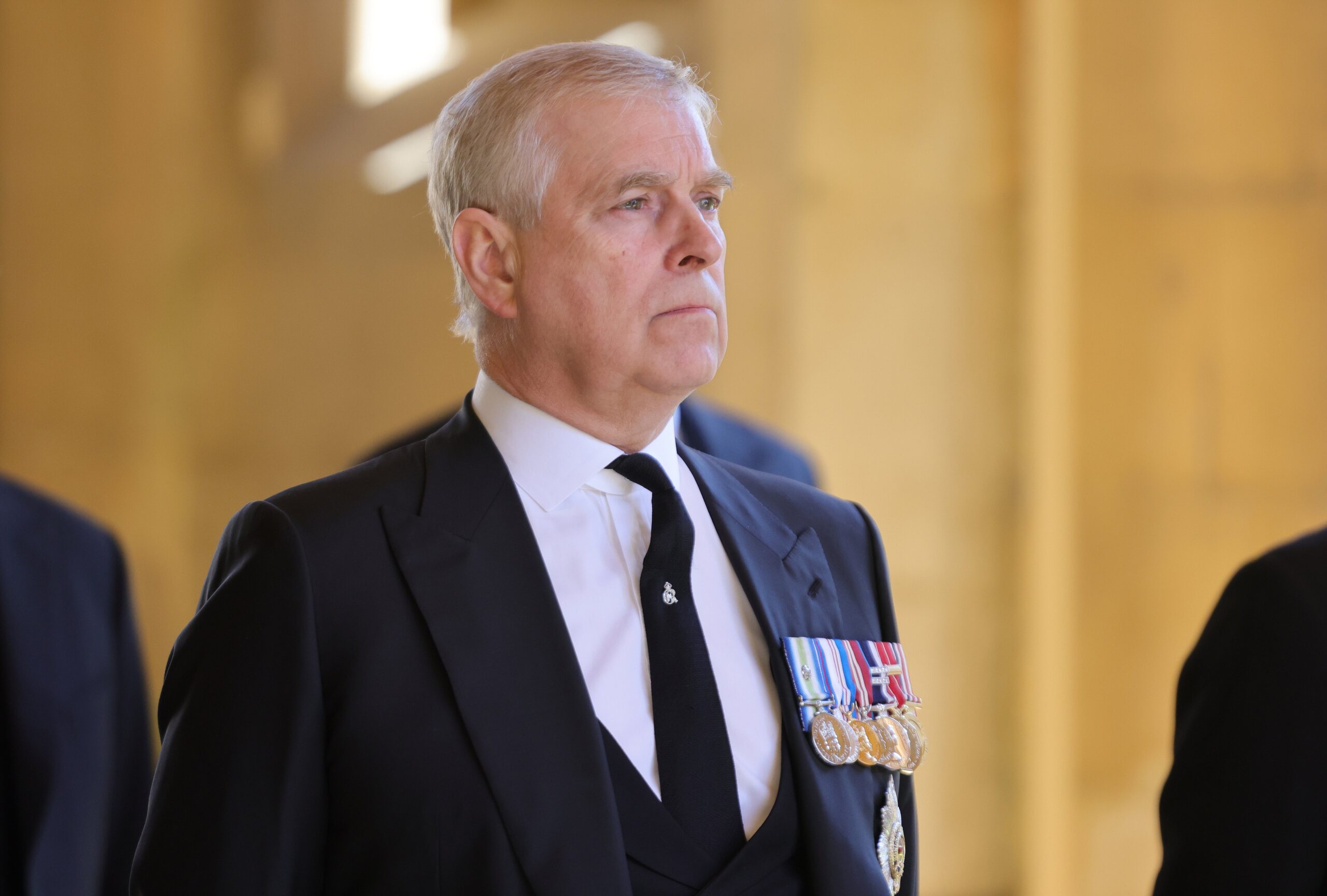
The Abu Dhabi Escape Plan
According to multiple reports, Andrew Mountbatten Windsor has been actively exploring the possibility of relocating to the United Arab Emirates capital, where he would be accommodated in a luxury mansion provided by wealthy friends.
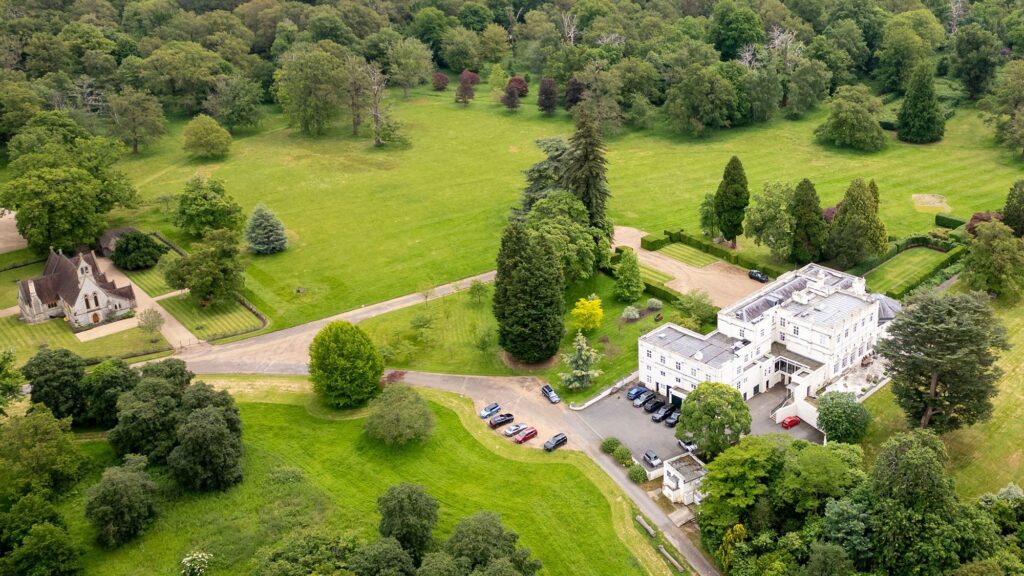
The move would represent a stark departure from his current residence at Royal Lodge in Windsor Great Park, a 30-room mansion he has stubbornly refused to vacate despite pressure from King Charles III.
Sources close to the former royal suggest that Abu Dhabi presents an attractive option for several reasons beyond its luxurious lifestyle and year-round sunshine.
The UAE’s more relaxed extradition laws could potentially shield Andrew from requests to provide testimony or face legal proceedings related to his controversial associations, particularly his well-documented friendship with convicted sex offender Jeffrey Epstein.
Related Post: Starmer’s “3-DAY ULTIMATUM”: Back Down to William or Face Vote of No Confidence
“Andrew has been discussing this option with close confidants for several months,” an insider revealed. “He feels that the scrutiny in Britain has become unbearable, and he believes a fresh start in the Middle East could offer him the privacy and protection he desperately seeks.”
The Epstein Connection Continues to Haunt
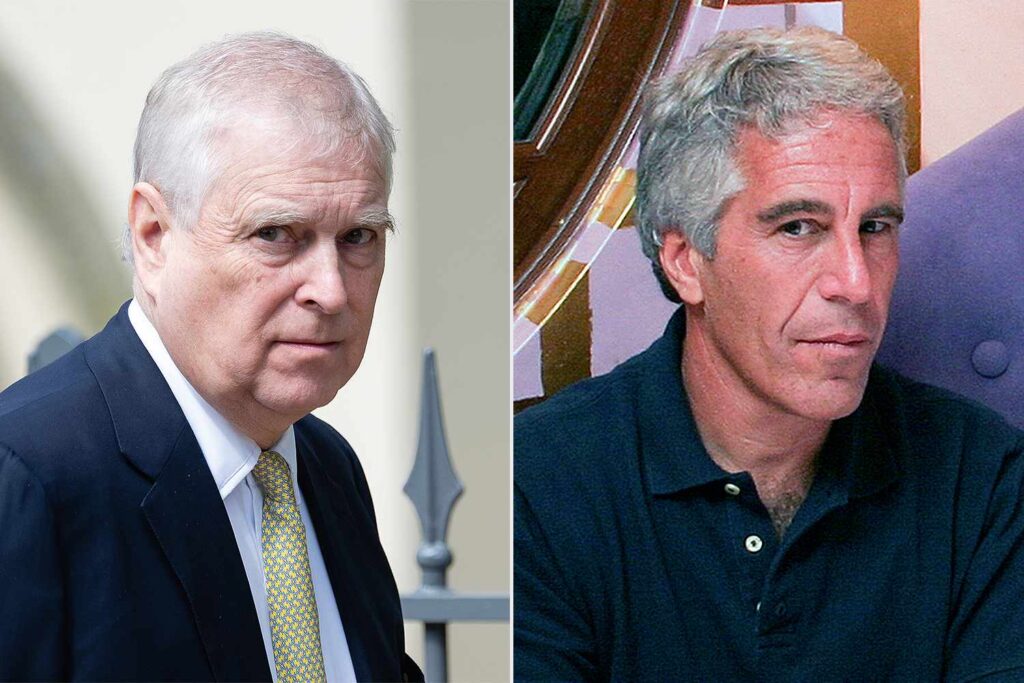
The primary driver behind Andrew’s potential exile appears to be his ongoing association with the Jeffrey Epstein scandal. Despite Epstein’s death in 2019 and the subsequent conviction of his accomplice Ghislaine Maxwell, questions about Andrew’s involvement with the disgraced financier’s circle continue to plague the former prince.
The United States Congress has formally requested that Andrew appear before them to provide testimony regarding his relationship with Epstein and what knowledge he may have about the sex trafficking operation that ensnared dozens of young women.
To date, Andrew has declined these requests, citing various reasons including concerns about his treatment and the lack of formal legal protections.
Legal experts suggest that Andrew’s reluctance to cooperate with American authorities stems from legitimate concerns about potential criminal exposure. While he has not been charged with any crimes, his testimony could potentially lead to further investigation or implicate him in activities that could result in prosecution.
“By relocating to Abu Dhabi, Andrew would be placing himself in a jurisdiction that has limited extradition arrangements with both the United Kingdom and the United States,” explained international law expert Dr. Sarah Henderson.
“While this doesn’t provide absolute immunity, it certainly makes it more complicated for authorities to compel his cooperation or appearance.”
The Virginia Giuffre Settlement
Andrew’s legal troubles reached a crescendo in 2022 when Virginia Giuffre filed a civil lawsuit against him in New York, alleging that he sexually assaulted her when she was 17 years old. Giuffre claimed she was trafficked by Epstein and forced to have sexual encounters with the prince on multiple occasions, including at Ghislaine Maxwell’s London home, Epstein’s New York mansion, and on Epstein’s private island in the Caribbean.
Rather than face a trial that would have subjected him to public testimony and cross-examination, Andrew opted to settle the case out of court. While the exact settlement amount was not disclosed, reports suggested it was in the region of £12 million ($16 million). Crucially, the settlement included no admission of liability or wrongdoing on Andrew’s part.
However, the settlement did little to restore Andrew’s reputation. The British public remained largely unconvinced by his denials, particularly after his disastrous 2019 BBC Newsnight interview with journalist Emily Maitlis, during which he made several statements that were widely mocked and disbelieved, including his claim that he couldn’t have been at a London nightclub with Giuffre because he was at a Pizza Express in Woking with his daughter.
King Charles’s Dilemma
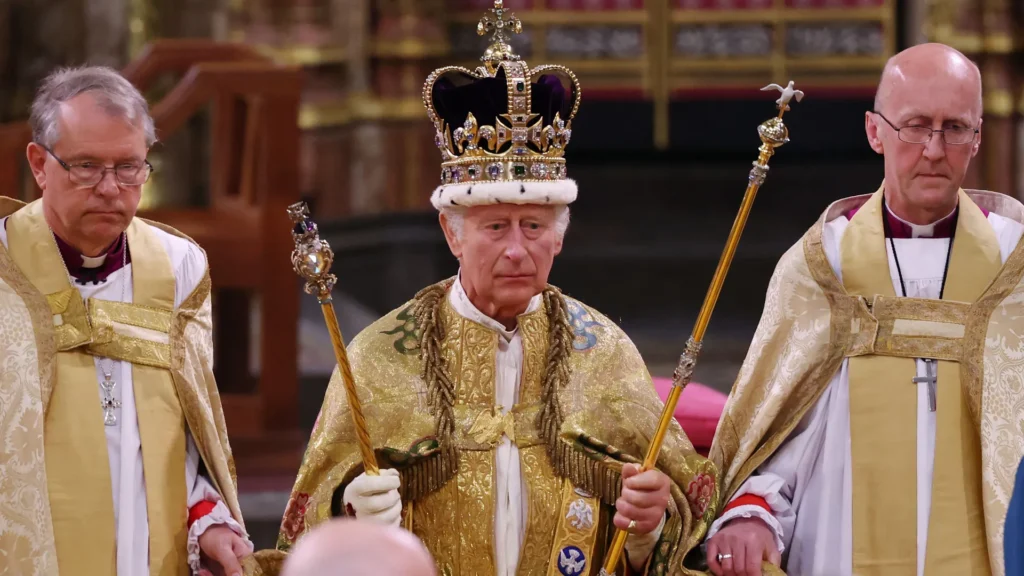
The potential departure of his younger brother presents King Charles III with both a challenge and an opportunity. On one hand, having Andrew permanently stationed in Abu Dhabi would remove a constant source of embarrassment and negative press coverage from the immediate royal orbit. On the other hand, it could be interpreted as the Royal Family facilitating Andrew’s escape from accountability.
Charles has already taken decisive action regarding his brother’s position within the royal hierarchy. In January 2022, following the announcement of Giuffre’s lawsuit, the King—then Prince of Wales—reportedly supported the Queen’s decision to strip Andrew of his military affiliations and royal patronages. Andrew was also forbidden from using the style “His Royal Highness” in any official capacity.
More recently, Charles has been locked in a protracted dispute with Andrew over the Royal Lodge. The King wishes to move his brother to the more modest Frogmore Cottage, the former residence of Prince Harry and Meghan Markle, as part of a cost-cutting exercise. Andrew has resisted these efforts, reportedly securing private funding to continue his lease on the grander property.
“If Andrew does relocate to Abu Dhabi, it would solve the Royal Lodge problem for King Charles,” noted royal commentator Richard Fitzwilliams. “However, it would also raise questions about whether the Royal Family is essentially helping Andrew evade scrutiny. The optics could be quite damaging.”
Abu Dhabi: A Haven for the Controversial
Andrew would not be the first controversial British figure to find refuge in Abu Dhabi. The UAE has long been attractive to wealthy individuals seeking privacy, favorable tax conditions, and distance from legal complications in their home countries.
The country’s extradition treaty with the UK, signed in 2007, contains numerous exceptions and requires political approval for any extradition request to proceed.
Furthermore, the UAE has no extradition treaty with the United States, meaning that American authorities would face significant diplomatic and legal hurdles in compelling Andrew to appear before Congress or participate in any investigation. This legal insulation is likely a significant factor in Andrew’s consideration of the move.
Andrew has existing connections to the region, having served as the UK’s Special Representative for International Trade and Investment from 2001 to 2011, a role that frequently took him to the Middle East. He developed relationships with senior figures in Abu Dhabi and other Gulf states during this period, relationships that could now provide him with both accommodation and protection.
Public and Political Reaction
News of Andrew’s potential flight to Abu Dhabi has generated significant criticism from both the British public and political figures. Many view the move as a wealthy, privileged individual using his connections to evade accountability for his actions.
“This is an absolute disgrace,” said Graham Smith, CEO of the anti-monarchy campaign group Republic. “Andrew Windsor should be answering questions from American authorities, not fleeing to a jurisdiction where he can hide behind favorable laws. If he’s truly innocent, he should have nothing to fear from cooperating with investigators.”
Members of Parliament have also expressed concern about the potential move. Labour MP Sarah Champion, who chairs the All-Party Parliamentary Group on Commercial Sexual Exploitation, commented: “Victims of sexual abuse deserve answers, and Prince Andrew has a moral obligation to cooperate with investigations into Jeffrey Epstein’s sex trafficking network.
Running away to Abu Dhabi would be yet another demonstration of his lack of character and his unwillingness to face the consequences of his choices.”
Even some traditional supporters of the monarchy have expressed disappointment at the prospect. “It’s deeply frustrating,” said royal historian Dr. Anna Whitelock. “The monarchy survives on public trust and the perception that its members, even former members, are held to high standards. Andrew’s potential flight undermines that trust and makes it appear that the wealthy and well-connected can simply escape accountability.”
The Impact on Victims and Survivors
Perhaps the most troubling aspect of Andrew’s potential relocation is the message it sends to victims and survivors of sexual abuse, particularly those who were trafficked by Jeffrey Epstein and Ghislaine Maxwell. Advocacy groups have been vocal in their condemnation of Andrew’s refusal to cooperate with American authorities.
“Every time someone like Prince Andrew uses their wealth and privilege to avoid accountability, it sends a message to survivors that powerful men are above the law,” said Jennifer Freyd, founder of the Center for Institutional Courage.
“These women have shown incredible bravery in coming forward and seeking justice. They deserve better than to watch someone who may have information about their abuse flee to another country.”
Virginia Giuffre, who settled her lawsuit against Andrew, has not publicly commented on the Abu Dhabi reports. However, her lawyer, David Boies, previously stated that his client’s primary goal was never financial compensation but rather accountability and acknowledgment of what happened to her.
Lisa Bloom, an attorney who represents multiple Epstein victims, tweeted in response to the news: “Running away is what guilty people do. Innocent people cooperate with investigations and clear their names. This speaks volumes.”
What Happens Next?
As of now, no official confirmation has been provided by Andrew’s representatives regarding the Abu Dhabi move. Sources suggest that the former duke is still weighing his options and considering the potential ramifications of such a dramatic relocation.
Several factors could influence his final decision. The ongoing dispute with King Charles over the Royal Lodge may become untenable, particularly if private funding sources dry up or if the King takes more aggressive action to reclaim the property. Additionally, any new developments in investigations related to Jeffrey Epstein could increase pressure on Andrew to leave British jurisdiction.
Legal experts suggest that even if Andrew does relocate to Abu Dhabi, he would not be completely immune from legal consequences. Civil lawsuits could still be filed against him in various jurisdictions, and international pressure could potentially be brought to bear on the UAE to cooperate with investigations, though this would require significant diplomatic effort.
“Moving to Abu Dhabi would make Andrew’s life more complicated in many ways,” noted legal analyst Jonathan Fisher QC. “He would be living as an exile, potentially unable to return to the UK without facing renewed scrutiny. His assets in Britain could still be subject to legal claims, and his reputation—already in tatters—would be further damaged by what many would see as an admission of guilt through flight.”
The Final Humiliation
For a man who was once second in line to the British throne and held the rank of Vice-Admiral in the Royal Navy, the prospect of living in self-imposed exile represents a dramatic fall from grace. Andrew’s journey from respected royal and military figure to disgraced pariah has been swift and brutal, driven by his own questionable judgment and associations.
The irony is not lost on observers that Andrew’s potential refuge is in a country where he once worked as a trade envoy, representing British commercial interests. Now, instead of representing Britain, he may be hiding from it.
“This is the final humiliation for Andrew Windsor,” concluded royal biographer Penny Junor. “He’s gone from being a senior working royal, trusted with important diplomatic responsibilities, to potentially living in exile, separated from his family and country, all because he couldn’t exercise better judgment about his friendships and couldn’t face up to the consequences of his actions.
It’s a Greek tragedy, except unlike tragic heroes, Andrew seems incapable of accepting responsibility for his role in his own downfall.”
Conclusion
As Andrew Windsor contemplates his future, one thing remains clear: his legacy has been irreparably damaged. Whether he stays in Britain or flees to Abu Dhabi, he will remain a controversial figure, forever associated with one of the most notorious sex trafficking scandals in modern history.
For the victims of Jeffrey Epstein, Andrew’s potential flight represents yet another disappointment in their long quest for justice and accountability from all those who enabled or participated in Epstein’s criminal enterprise.
The coming weeks and months will reveal whether Andrew follows through with his reported plans to relocate to the UAE or whether he chooses to remain in Britain and face whatever consequences may come.
Either way, his fall from royal privilege to international pariah serves as a cautionary tale about the dangers of hubris, poor judgment, and the ultimately futile attempt to escape accountability in an increasingly connected world.
Citations and Sources: This article draws on reporting from BBC News, The Telegraph, The Guardian, New York Times coverage of the Epstein case, court documents from Giuffre v. Andrew, and statements from legal representatives and royal commentators.