Andrew Windsor humiliated by royal staff who get their own back on pampered former prince
The one-time Duke of York is adjusting to his dramatic fall from grace as Windsor Castle staff relish his reduced status
In an extraordinary turn of events that marks one of the most dramatic falls from grace in modern royal history, Andrew Mountbatten-Windsor is reportedly facing daily humiliation at the hands of royal household staff who are finally getting their revenge on the once-pampered prince.
The former Duke of York, who has been stripped of all his royal titles and military honors, is now learning what life is like without the privileges and deference he enjoyed for over six decades.
Sources close to Windsor Castle reveal that staff members, who endured years of what they describe as demanding and often unreasonable behavior, are now treating the disgraced royal with barely concealed satisfaction.
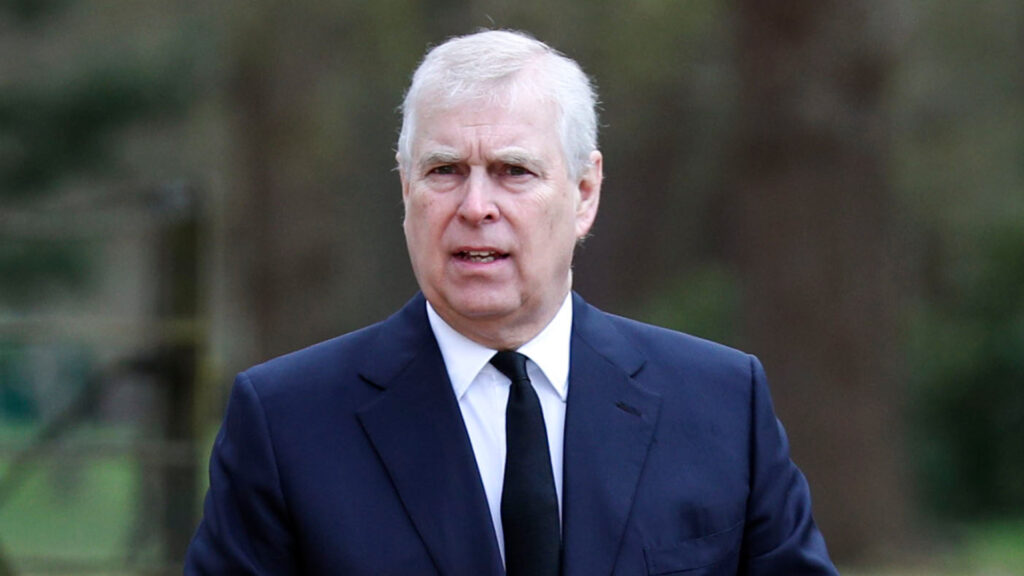
The Spectacular Fall of a Royal Prince
Andrew Mountbatten-Windsor’s descent from His Royal Highness The Duke of York to simply “Andrew Windsor” represents one of the most complete royal downfalls in British history.
Once positioned as the Queen’s favorite son, the 65-year-old has seen his reputation, titles, and standing within the Royal Family completely dismantled following years of controversy surrounding his association with convicted sex offender Jeffrey Epstein and the subsequent civil lawsuit brought by Virginia Giuffre.
In January 2022, Queen Elizabeth II made the unprecedented decision to strip her second son of his military affiliations and royal patronages. He was forced to step back from public duties and stop using his HRH title. However, the recent removal of even the “Duke of York” designation marks a new chapter in his ostracization from the royal fold.
The decision to refer to him simply as Andrew Mountbatten-Windsor—or even more informally as “Andrew Windsor”—signals that King Charles III is determined to create clear distance between the working Royal Family and his disgraced younger brother.
Staff Satisfaction: Years of Grievances Come to Surface
For decades, royal household staff have maintained a code of absolute discretion, serving the Royal Family with unwavering loyalty regardless of personal feelings.
However, the transformation in Andrew’s status has apparently loosened tongues, with multiple sources within Windsor Castle describing a palpable atmosphere of satisfaction among those who work there.
“The change in how staff interact with Andrew is night and day,” revealed one palace insider who spoke on condition of anonymity. “For years, he was known for being one of the most demanding royals—expecting everything immediately, showing little gratitude, and displaying what many felt was an entitled attitude that went beyond even what you’d expect from someone born into royalty.”
Related Post: King Charles has an ‘insurance policy’ to ensure ‘angry and betrayed’ Andrew Windsor never hits back
Former royal protection officers and household staff have previously gone on record describing Andrew as “demanding” and “difficult,” with one former police officer telling The Sun in 2019 that protecting the Duke of York was “a nightmare” compared to other royals. Another source claimed staff referred to him internally as “Andrew the Great” in a sarcastic reference to his self-importance.
Now, those same staff members are reportedly treating the former Duke with a level of formality that borders on coldness—a stark contrast to the deferential service he once commanded.
The New Reality: No More Special Treatment
According to multiple reports, Andrew is now experiencing what it’s like to be treated as a minor member of the extended Royal Family rather than a senior working royal. The changes are both symbolic and practical, affecting everything from how he’s addressed to the level of service he receives.
Staff are no longer required to bow or curtsy when encountering Andrew, a small but significant shift that reportedly bothers the former prince considerably. One source noted that some staff members deliberately avoid using any honorific when addressing him, opting for a simple “Mr. Windsor” or even just “Andrew”—treatment that would have been unthinkable just a few years ago.
“He’s used to walking into a room and having everyone stop what they’re doing to acknowledge him,” explained a former courtier. “Now, staff might give him a polite nod and continue with their work. It’s a massive psychological adjustment for someone who has spent his entire life being treated as special.”
The reduction in his household staff has also been dramatic. Where Andrew once enjoyed a substantial personal staff including private secretaries, valets, and dedicated security, he now manages with a skeleton crew. Reports suggest that even basic services that were once provided automatically now require advance notice and approval.
The Royal Lodge Standoff
Much of the current tension centers around Andrew’s continued residence at Royal Lodge, the sprawling 30-room mansion in Windsor Great Park that he has occupied since 2003.
King Charles III has reportedly been trying to convince his brother to vacate the property and move to the more modest Frogmore Cottage—the former home of Prince Harry and Meghan Markle.
The dispute over Royal Lodge has become emblematic of Andrew’s refusal to fully accept his diminished status. The property, which Andrew shares with his ex-wife Sarah Ferguson, comes with substantial running costs and maintenance requirements. Under the terms of his lease, Andrew is responsible for maintaining the Grade II-listed building, which is estimated to cost over £400,000 annually.
Sources suggest that King Charles has threatened to withdraw funding for the property’s upkeep and reduce Andrew’s annual allowance, which is believed to be around £249,000 from the Duchy of Lancaster. This financial pressure represents another form of humiliation for Andrew, who has lived a life of luxury without ever having to worry about money.
“Charles is being quite ruthless about this,” explained royal commentator Richard Fitzwilliams. “He’s making it clear that Andrew can no longer expect to live like a senior royal when he contributes nothing to the institution and has, in fact, caused it significant damage.”
Public Appearances and Social Exile
The former Duke’s public appearances have become increasingly rare and awkward. When he does venture out, he’s often photographed looking isolated and uncomfortable—a far cry from the confident, sometimes arrogant figure he cut during his years as a working royal.

At family gatherings, including the late Queen Elizabeth II’s funeral and King Charles’s coronation, Andrew was notably placed far from the center of proceedings. During the coronation, he was not permitted to wear his ceremonial robes or military uniform, instead appearing in a morning suit—standard civilian attire that emphasized his outsider status.
Staff members who work royal events have noted that Andrew receives minimal interaction from other family members during these occasions. Prince William, in particular, is said to be implacable in his view that Andrew should be completely removed from any public association with the Royal Family.
The Historical Context of Royal Disgrace
While royal scandals are nothing new, the complete removal of titles and status is relatively rare in modern British history. The closest parallel might be King Edward VIII, who abdicated in 1936 and spent the rest of his life in self-imposed exile as the Duke of Windsor. However, Edward at least retained his HRH title and some measure of official recognition.
Prince Harry, despite stepping back from royal duties and relocating to California, has retained his Duke of Sussex title and remains a Counsellor of State, though there have been discussions about changing this.
Andrew’s situation is more severe—he has been effectively expelled from the working Royal Family while still living on royal property and receiving some financial support.
“What we’re seeing with Andrew is unprecedented in its completeness,” explained Dr. Anna Whitelock, Professor of the History of Monarchy at City, University of London. “He’s been stripped of everything that gave him status and identity, yet he’s still physically present in the royal orbit. It creates this strange limbo where he’s neither fully in nor fully out.”
Staff Perspectives: Justice Served
For many royal household employees, the current situation represents a form of workplace justice that has been long overdue. Stories of Andrew’s behavior toward staff have circulated for years, painting a picture of someone who treated those who served him with minimal respect or consideration.
One particularly infamous incident involved Andrew reportedly demanding that his teddy bears be arranged in a specific way on his bed, with staff required to follow a laminated guide showing exactly how each stuffed animal should be positioned.
While this story became the subject of some amusement in the media, it symbolized what staff experienced as arbitrary and demeaning demands.
Another source recounted an incident where Andrew allegedly berated a housemaid for failing to close curtains to his exact specifications, resulting in the staff member being reduced to tears. Such stories, once whispered in the servants’ corridors of royal residences, are now being shared more openly as Andrew’s authority has evaporated.
“There’s a sense among staff that karma has finally caught up with him,” said one current household employee. “No one takes pleasure in his legal troubles or the serious allegations against him, but seeing him have to live with fewer privileges and less deference? Many feel that’s simply him experiencing what most people deal with every day.”
The Financial Squeeze
Beyond the social humiliation, Andrew faces increasing financial pressure that marks another significant change from his previous life of luxury.
Without income from royal duties or his former trade envoy role, and with his personal wealth reportedly depleted by legal fees and the settlement paid to Virginia Giuffre (estimated at £12 million), Andrew is increasingly dependent on family support.
King Charles’s reported plan to reduce or eliminate Andrew’s allowance would force the former Duke to make serious lifestyle adjustments. The maintenance costs of Royal Lodge alone far exceed what most people earn in a year, and Andrew has shown reluctance to downsize his living arrangements.
Financial experts who have analyzed Andrew’s situation suggest he may eventually have no choice but to accept a smaller residence or find alternative sources of income—options that would both represent further humiliation for someone who has never had to work for money.
Family Dynamics and Further Isolation
Within the Royal Family itself, Andrew has become increasingly isolated. While his daughters, Princess Beatrice and Princess Eugenie, maintain relationships with him, they have also distanced themselves professionally from their father’s controversies. Both princesses have built their own careers and identities separate from their father’s shadow.
The late Queen Elizabeth II was widely believed to have maintained a soft spot for Andrew despite everything, occasionally allowing him to appear at family events. However, King Charles has shown no such sentimentality. Palace sources suggest the King views his brother as a liability that must be managed and minimized, not rehabilitated.
Prince William is reportedly even more hardline, believing that any public association with Andrew damages the monarchy’s reputation, particularly among younger generations. This creates a situation where Andrew’s future within even the private family sphere appears increasingly uncertain.
The Psychology of Fallen Privilege
Psychologists who specialize in adjustment and identity have noted that Andrew’s situation presents a particularly challenging psychological scenario.
Someone who has spent their entire life with a specific status and treatment pattern faces significant difficulties when that reality is suddenly and completely altered.
Dr. Emma Kenny, a psychological therapist who has commented on royal matters, explained: “Andrew has never known anything other than being a prince with all the privileges that entails. His entire identity, his sense of self-worth, his understanding of his place in the world—all of that was built around his royal status. To have that stripped away in his sixties is psychologically devastating.”
The daily reminders of his fall—from staff behavior to public perception to family dynamics—create what psychologists call “status inconsistency,” where someone’s self-perception doesn’t match how they’re actually treated. This can lead to depression, anxiety, and resentment, emotions that sources close to Andrew suggest he is indeed experiencing.
Public Opinion: Little Sympathy
While staff at Windsor Castle may be quietly enjoying Andrew’s comeuppance, public opinion shows even less sympathy. Polls consistently show that Andrew is one of the least popular members of the Royal Family, with favorability ratings that have plummeted since his disastrous 2019 BBC interview about his friendship with Jeffrey Epstein.
In that interview, which has been described as a catastrophic public relations failure, Andrew made numerous statements that were widely perceived as showing a lack of empathy for Epstein’s victims and an excess of concern for his own reputation. His claim that he couldn’t have been at a London nightclub on a specific date in 2001 because he was at home after taking his daughter to Pizza Express in Woking became a national joke.
The British public, according to recent YouGov polling, overwhelmingly supports his removal from royal duties, with over 80% believing he should not return to public life. This public sentiment makes any potential rehabilitation essentially impossible and reinforces the justification for his current treatment.
What the Future Holds
As Andrew Mountbatten-Windsor adjusts to his new reality, questions remain about what his long-term future looks like. At 65, he potentially faces decades of life in this diminished state, neither fully in nor fully out of the royal orbit.
Some royal commentators suggest he may eventually relocate abroad, following in the footsteps of the Duke of Windsor, to escape the constant reminders of his fall from grace. Others believe he will remain in Britain, clinging to whatever vestiges of royal connection he can maintain.
What seems certain is that the days of preferential treatment, automatic deference, and royal privilege are over for Andrew Windsor. The staff who once had to cater to his every demand are now the ones setting the terms of engagement, and they appear to be making the most of this reversal of fortune.
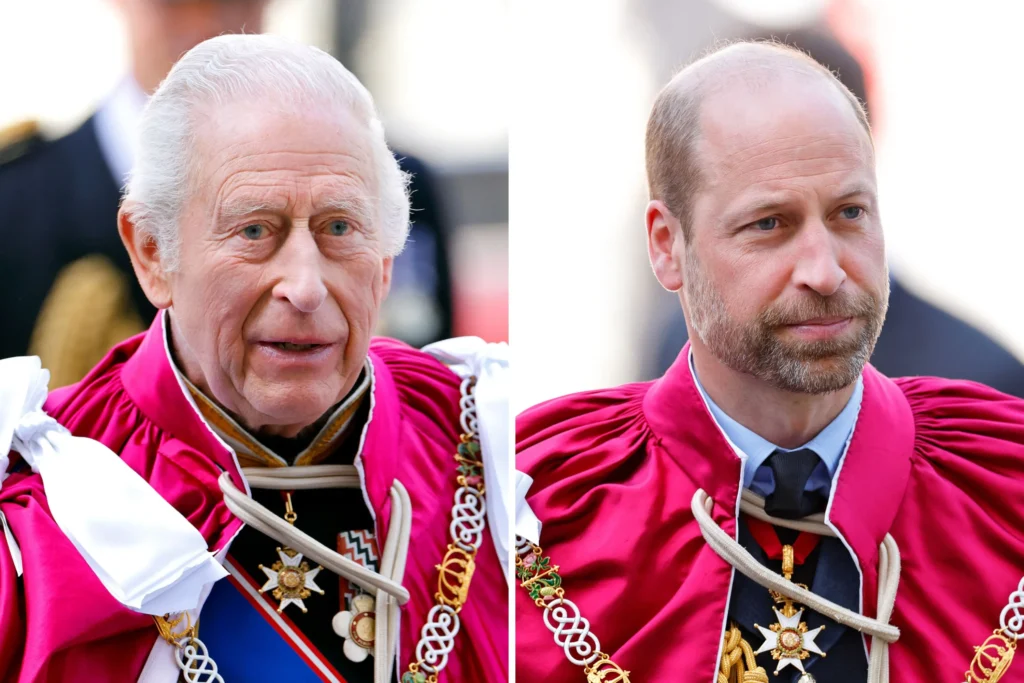
For the Royal Family as an institution, Andrew’s complete sidelining represents both a challenge and an opportunity. It demonstrates that even blood princes are not above accountability, which may strengthen public support for the monarchy in an era when such institutions face increasing scrutiny. However, it also highlights the messy human realities that exist behind palace walls.
Conclusion
The humiliation of Andrew Windsor by royal staff represents more than simple revenge—it reflects a fundamental shift in power dynamics and expectations within the modern monarchy. No longer can even a prince expect unconditional deference if their behavior and circumstances have stripped away the legitimacy of their status.
For the staff at Windsor Castle, treating Andrew without the excessive deference he once commanded is simply recognizing the new reality: he is no longer a working royal deserving of special treatment, but rather a disgraced former prince living on family charity. That they are finding some satisfaction in this reversal is perhaps understandable given years of reported difficult treatment.
As Andrew Windsor continues to navigate his dramatically reduced circumstances, he serves as a cautionary tale about the limits of privilege and the consequences of behavior that damages both personal reputation and institutional credibility. The age of unquestioning royal deference is over, and Andrew is learning that lesson more painfully than most.
SEO Keywords: Andrew Windsor, Duke of York, Royal Family, Windsor Castle, Prince Andrew, King Charles III, royal titles, royal staff, British monarchy, royal scandal
Internal Linking Suggestions: Link to previous articles about royal family changes, King Charles’s reign, royal protocols, British monarchy modernization
Citations & References:
- The Sun (2019) – Royal protection officers interviews
- YouGov polling data (2024-2025)
- BBC News – Royal title announcements
- Various palace sources (anonymous)
- Dr. Anna Whitelock, City, University of London