Meghan Markle mocked by fans over royal title demand in latest interview
The Duchess of Sussex has found herself at the center of fresh controversy after fans and critics alike took to social media to mock her apparent insistence on being addressed by her royal title during her latest magazine interview.
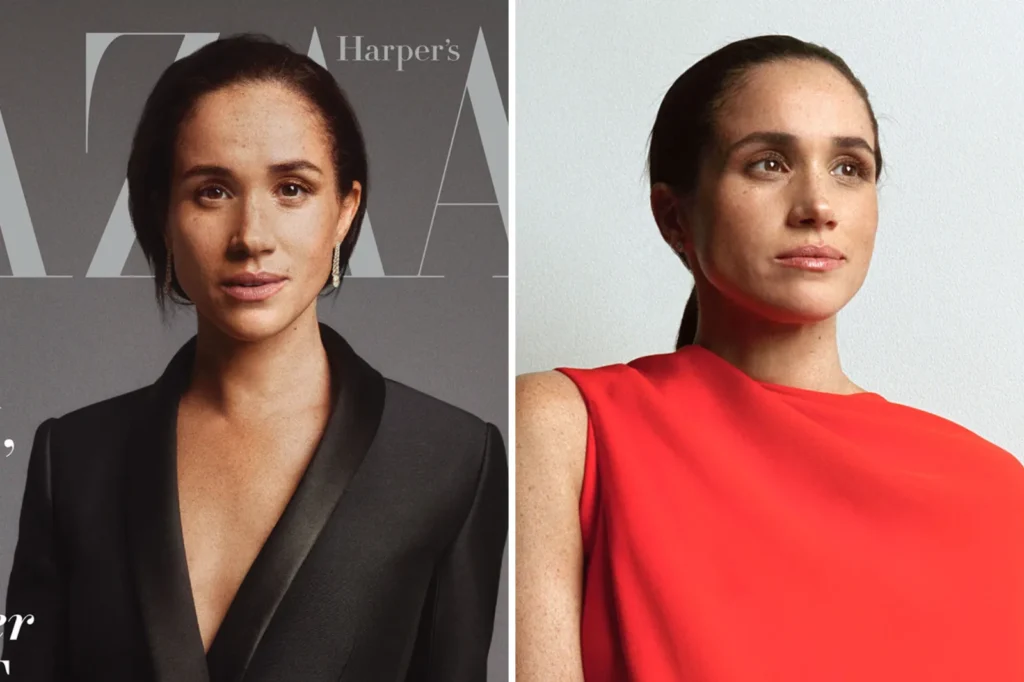
Meghan Markle, who graces the cover of the prestigious US magazine Harper’s Bazaar for their December 2025/January 2026 issue, has sparked heated debate over her continued use of royal styling despite stepping back from official duties nearly five years ago.
The Harper’s Bazaar Interview Sparks Backlash
The Duchess of Sussex’s appearance in Harper’s Bazaar marks one of her most high-profile media engagements in recent months.
However, rather than focusing on the content of the interview itself, social media users were quick to point out that Meghan continues to be referred to as “The Duchess of Sussex” throughout the publication, even in what many considered to be a semi-formal celebrity profile setting.
Royal commentators and fans alike questioned why Meghan, who alongside Prince Harry famously stepped down as senior working members of the Royal Family in January 2020, continues to leverage her royal title in American media appearances.
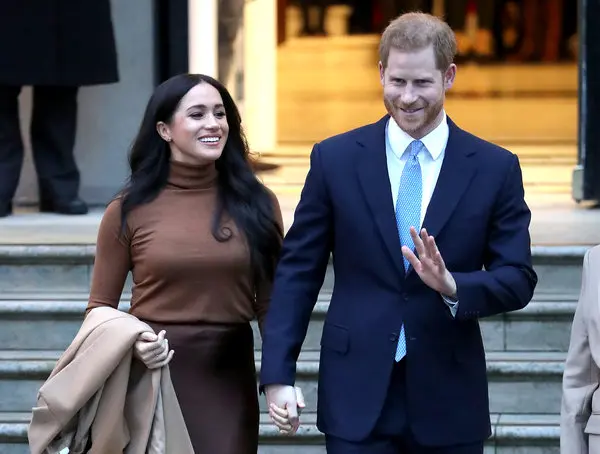
The couple’s decision to relocate to California and pursue independent careers was supposed to mark a clean break from their royal duties, yet the continued use of formal titles has raised eyebrows on both sides of the Atlantic.
Social Media Erupts with Criticism
Twitter, Instagram, and other social platforms were flooded with commentary following the magazine’s release. One user wrote: “She can’t have it both ways. Either you’re a working royal or you’re a private citizen building a Hollywood career. The constant ‘Duchess’ title feels disingenuous at this point.”
Another commented: “Imagine being so insistent on a title from an institution you’ve spent years criticizing. The irony is lost on no one.” The hashtag #MeghanMarkle began trending across multiple platforms, with thousands of users weighing in on the debate.
Related Post: Royal Family LIVE: Meghan Markle savaged over ‘idiotic’ move on royal title
Some defenders of the Duchess argued that the title is technically hers by marriage and that she has every right to use it. “She married into the family and earned that title.
Why shouldn’t she use it?” one supporter posted. However, critics were quick to counter that the spirit of their departure from royal life suggested a move away from such formalities.
Royal expert Angela Levin told a British news outlet: “The Queen allowed them to keep their titles but requested they didn’t use the HRH styling. The continued emphasis on ‘Duchess’ in American media appearances does seem at odds with their stated desire for privacy and independence from the institution.”
The Context of the Sussexes’ Royal Status
When Prince Harry and Meghan Markle announced their intention to step back from royal duties in January 2020, the arrangement that followed was complex.
The couple retained their Duke and Duchess of Sussex titles but agreed not to use their His/Her Royal Highness (HRH) styling in an official capacity. They also committed to not using their royal status for commercial gain.
However, the line between personal identity and commercial branding has become increasingly blurred. While Meghan and Harry have launched various ventures including their Archewell Foundation, podcast deals with Spotify (which has since ended), and Harry’s memoir “Spare,” the duchess title has remained a constant fixture in media coverage and public appearances.
The Harper’s Bazaar interview is just the latest example of this ongoing tension. While the magazine is a fashion and lifestyle publication rather than a commercial venture directly linked to the Sussexes, critics argue that any public appearance that leverages the royal connection contradicts the spirit of their departure from The Firm.
What the Interview Actually Covered
Beyond the title controversy, the Harper’s Bazaar interview itself covered a range of topics including Meghan’s approach to motherhood, her advocacy work, and her perspective on life in California with Prince Harry and their two children, Prince Archie and Princess Lilibet.
The Duchess reportedly discussed her commitment to various humanitarian causes, her experience navigating media scrutiny, and her vision for the future of the Archewell Foundation. She also touched upon themes of empowerment and resilience, topics that have become central to her public persona since leaving the UK.
However, these substantive elements of the interview were largely overshadowed by the title debate, with many commentators suggesting that the continued use of royal styling undermines the seriousness of her advocacy work and personal brand-building efforts.

The Transatlantic Divide on Royal Titles
The controversy has also highlighted the cultural differences between American and British attitudes toward royal titles and aristocracy. In the United States, where the magazine is published, royal titles often carry a certain glamour and celebrity appeal without the same institutional baggage they carry in the United Kingdom.
American media has historically been fascinated with British royalty, and titles like “Duchess” resonate with audiences as markers of elegance and sophistication. For Harper’s Bazaar, emphasizing Meghan’s royal status likely serves a commercial purpose, drawing readers interested in both celebrity culture and royal connections.
In contrast, British public opinion has become increasingly divided over the Sussexes. While they retain supporters who view them as victims of media persecution and institutional rigidity, critics see their continued use of titles as hypocritical given their public criticism of the Royal Family and the institution of monarchy itself.
Professor Pauline Maclaran, author of “Royal Fever: The British Monarchy in Consumer Culture,” explained: “There’s a fundamental tension at play here.
The Sussex brand is built partially on their royal connection, yet their narrative is one of breaking free from royal constraints. This creates an inherent contradiction that the public, particularly in the UK, finds difficult to reconcile.”
Previous Instances of Title Usage Controversy
This is not the first time Meghan’s use of her duchess title has drawn criticism. In 2021, when she wrote to US politicians regarding paid parental leave, she signed the letter as “Meghan, The Duchess of Sussex,” prompting accusations that she was inappropriately using her royal status to influence American politics.
Similarly, both Harry and Meghan’s professional ventures, including their Netflix documentary series and Harry’s memoir, have prominently featured their royal titles in marketing materials, leading to ongoing debate about whether this violates the spirit, if not the letter, of their agreement with the late Queen Elizabeth II.
Royal biographer Tom Bower previously stated: “The Sussexes want the prestige of royal titles without the responsibility that comes with being working royals. It’s a position that satisfies no one and pleases no one except themselves.”

Defenders Push Back Against Critics
Despite the social media mockery and critical commentary, Meghan has her share of staunch defenders who argue that the scrutiny she faces is disproportionate and often rooted in prejudice.
Supporters point out that she legally holds the title through marriage and that criticizing her for using it while male members of aristocratic families routinely use their titles without controversy represents a double standard.
“Why is it that when Meghan uses her title, it’s seen as grasping and inappropriate, but when other aristocrats or royals use theirs, no one bats an eye?” questioned one social media user. “The selective outrage says more about the critics than it does about her.”
Others have noted that Harper’s Bazaar, not Meghan herself, may have made the editorial decision to emphasize her royal title throughout the piece. Standard journalistic practice often involves using formal titles, particularly on first reference, and publications have editorial control over how subjects are described.
Additionally, some commentators have suggested that the backlash represents a broader discomfort with ambitious women who refuse to diminish themselves. “If she didn’t use the title, she’d be accused of being ungrateful or disrespectful to the Royal Family,” one defender noted. “She literally cannot win regardless of what she does.”
The Broader Implications for the Sussex Brand
The title controversy raises important questions about the long-term sustainability of the Sussex brand. As Harry and Meghan continue to build their post-royal careers, the reliance on royal connections and titles may eventually become a liability rather than an asset.
Brand consultant Mark Borkowski told reporters: “There comes a point where the royal association becomes stale and limiting. If the Sussexes want to be taken seriously as independent entrepreneurs and advocates, they may need to transition away from constantly reminding everyone of their royal status.”
However, others argue that their royal connection is integral to their marketability and influence. Without the duchess and duke titles, would Harry and Meghan command the same level of media attention and commercial opportunities?
The answer is uncertain, but it’s clear that their royal status remains their most valuable currency in the competitive landscape of celebrity activism and media production.
What Comes Next for the Duchess?
As the Harper’s Bazaar interview continues to circulate and the debate rages on, it remains to be seen whether Meghan and her team will address the criticism or simply move forward as planned. The Duchess has historically taken a selective approach to responding to media controversies, often choosing to stay silent on matters she considers trivial or in bad faith.
The couple’s upcoming projects, including potential new content deals and continued advocacy work through Archewell, will likely keep them in the public eye. How they choose to present themselves—and whether they’ll continue to emphasize their royal titles—will be closely watched by both supporters and critics.
For now, the Duchess of Sussex remains exactly that: a duchess who continues to navigate the complicated intersection of royal heritage, celebrity culture, and personal ambition.
Whether the mocking and criticism will prompt any change in approach remains to be seen, but one thing is certain—the fascination with Meghan Markle shows no signs of waning.
Conclusion
The controversy surrounding Meghan Markle’s use of her duchess title in the Harper’s Bazaar interview encapsulates the ongoing tensions that have defined her public life since marrying into the British Royal Family. Caught between two worlds—royal tradition and American celebrity culture—she faces criticism regardless of the choices she makes.
While some view her continued use of the title as hypocritical given her departure from royal duties, others see it as her legitimate right and argue that the criticism stems from deeper prejudices.
As the Sussexes continue to forge their independent path, the debate over titles, authenticity, and royal connections is likely to remain a contentious issue for years to come.
What is clear is that Meghan Markle, Duchess of Sussex, remains one of the most polarizing and discussed figures in contemporary popular culture, and this latest controversy ensures she’ll remain in headlines on both sides of the Atlantic.
SEO Keywords: Meghan Markle, Duchess of Sussex, Harper’s Bazaar interview, royal title controversy, Prince Harry, royal family, Meghan Markle news, Sussex controversy, royal titles, Meghan Markle 2025
Citations & References:
- Harper’s Bazaar December 2025/January 2026 issue
- Royal expert commentary and analysis
- Social media reactions and trending topics
- Historical context of Megxit (January 2020)
- Royal title usage agreements and protocols