Prince Andrew faces new controversy as reports reveal payments from businessman linked to pension scandal. Latest details on the Duke of York’s financial dealings and royal reputation crisis.
The Duke of York is once again at the center of controversy following explosive revelations that he received payments from a businessman connected to a company accused of orchestrating pension rip-offs that devastated British savers. The latest scandal adds another layer to Prince Andrew’s already tarnished reputation and raises serious questions about the royal’s judgment in his business associations.
The Allegations Emerge
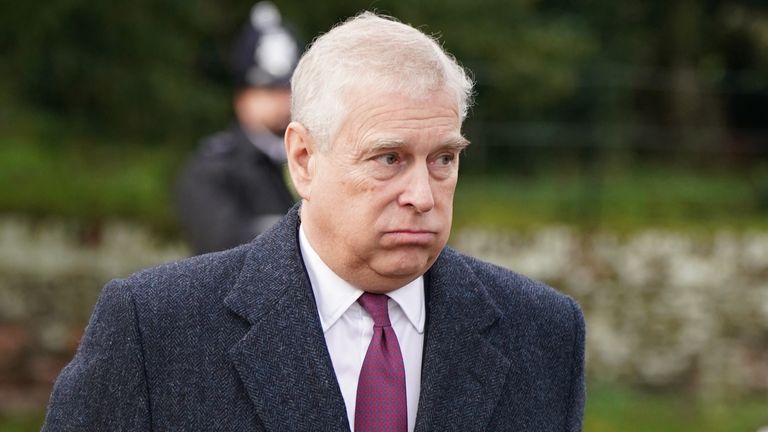
According to recent reports, Prince Andrew, 64, received substantial financial payments from a businessman who has direct ties to a firm implicated in controversial pension schemes that allegedly defrauded ordinary Britons out of their retirement savings. The revelations have sent shockwaves through both royal circles and Westminster, with calls mounting for greater transparency regarding the Duke’s financial arrangements since he stepped back from official royal duties in 2019.
The businessman in question, whose identity has been confirmed through financial records and corporate filings, maintained close connections to a pension advisory company that came under investigation by UK financial regulators. The firm allegedly encouraged pension holders to transfer their funds into high-risk investments, often resulting in devastating losses for retirees who had spent decades building their nest eggs.
Sources close to the investigation suggest that the payments to Prince Andrew may have been made through consultancy fees or advisory arrangements, though the exact nature of the financial relationship remains unclear. What is certain, however, is that these new revelations could hardly come at a worse time for the embattled royal, who has spent recent years attempting to rebuild his reputation following the Jeffrey Epstein scandal.
Understanding the Pension Scandal
The pension company at the heart of this controversy operated during a period when UK pension regulations were undergoing significant changes. Following pension reforms introduced in 2015, which gave savers greater freedom over how they accessed their retirement funds, a surge of advisory firms emerged promising to help individuals maximize their pension pots.
However, regulatory bodies including the Financial Conduct Authority (FCA) soon identified that some of these firms were engaging in predatory practices. These included encouraging pension holders to transfer out of secure defined-benefit schemes into riskier defined-contribution arrangements, often with exorbitant fees and unsuitable investment strategies.
According to data from the FCA, pension scams have cost British savers billions of pounds over the past decade. Victims typically include middle-aged and elderly individuals who trusted seemingly legitimate financial advisors, only to discover their life savings had vanished into high-risk overseas investments or been drained by excessive charges.
Related Post: 1 MIN AGO: King Charles STRIKES BACK at Starmer — UK Politics in TOTAL SHOCK!
The company linked to Prince Andrew’s benefactor reportedly operated in this murky territory, offering pension transfer advice that regulators later deemed inappropriate. While the firm may not have been directly labeled a “scam” operation, its business practices raised red flags with authorities, and numerous complaints were filed by dissatisfied clients who saw their retirement dreams evaporate.
Prince Andrew’s Business Dealings Under the Microscope
This latest controversy is far from the first time Prince Andrew’s business associations have attracted negative attention. The Duke of York served as the UK’s Special Representative for International Trade and Investment from 2001 to 2011, a role that saw him cultivate relationships with wealthy businessmen and foreign dignitaries around the world.
However, his tenure in this position was repeatedly marred by controversy. Critics questioned his associations with foreign autocrats, his expensive travel arrangements funded by taxpayers, and his apparent willingness to leverage his royal status for commercial gain. His friendship with convicted sex offender Jeffrey Epstein, which ultimately led to his withdrawal from public life, was perhaps the most damaging of these relationships.
Since stepping back from royal duties in November 2019, Prince Andrew has faced ongoing questions about how he finances his lifestyle. With no official royal salary and his reputation in tatters, observers have long wondered about his income sources. He reportedly receives a naval pension and some support from King Charles III, but the specifics of his financial arrangements remain opaque.
The revelation of payments from a businessman tied to a problematic pension firm suggests that Prince Andrew may have continued to monetize his royal connections through consultancy or advisory work. While there is no suggestion that the Duke himself engaged in any illegal activity, the optics of accepting money from someone associated with a company that harmed ordinary British pensioners are undeniably poor.
Royal Family Implications
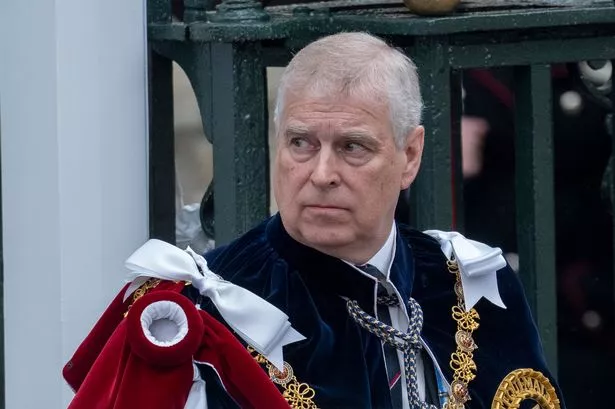
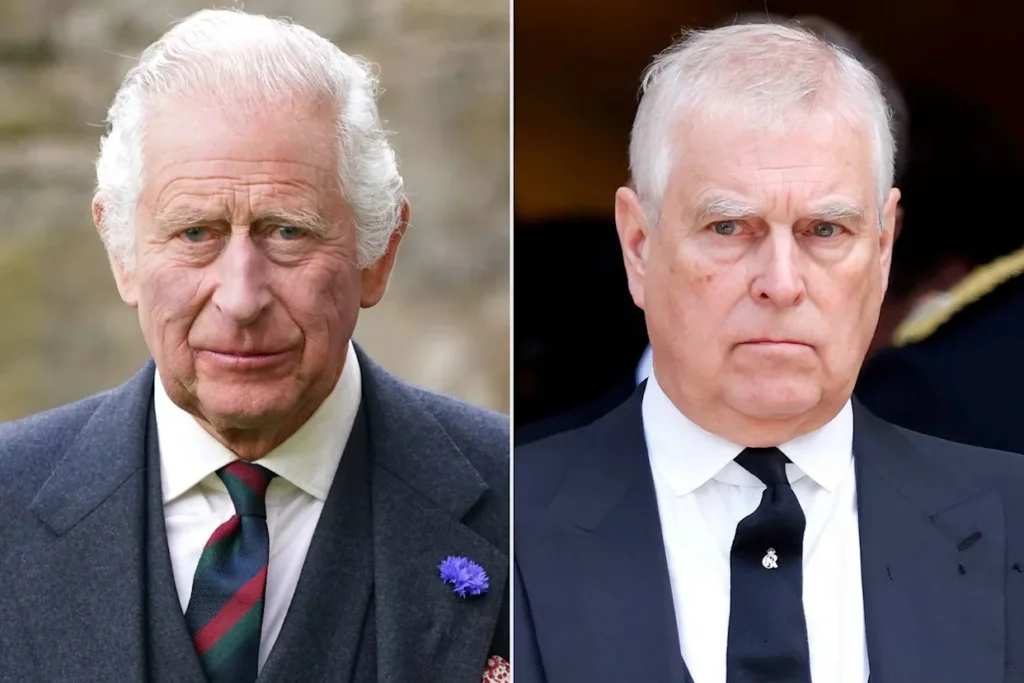
For the monarchy, this latest scandal represents yet another headache involving Prince Andrew. King Charles III has worked diligently to streamline the royal family and focus public attention on working royals who contribute positively to national life. His brother’s continued ability to generate negative headlines undermines these efforts and provides ammunition to republican critics who question the institution’s relevance and accountability.
Sources close to Buckingham Palace indicate that senior royals are “exasperated” by the latest revelations. There is reportedly frustration that despite being removed from public duties and stripped of his military titles and royal patronages, Prince Andrew continues to embarrass the family through his private business dealings.
The timing is particularly awkward as the royal family continues its public relations rehabilitation following Queen Elizabeth II’s death in 2022 and King Charles’s coronation in 2023. The new King has emphasized themes of service, duty, and modernization, but his brother’s ongoing controversies threaten to overshadow these messages.
Royal commentators suggest that the Palace may have limited options for further distancing itself from Prince Andrew. He remains a member of the royal family by birth, and while his public role has been eliminated, completely severing ties with a son of the late Queen Elizabeth II would be unprecedented and potentially damaging in its own right.
Public and Political Reaction
The public response to these revelations has been swift and largely condemnatory. Social media has erupted with criticism of Prince Andrew, with many expressing outrage that a member of the royal family would accept money from sources connected to schemes that harmed ordinary workers.
Graham Smith, chief executive of the campaign group Republic, which advocates for abolishing the monarchy, called the revelations “another example of the royal family’s entitled attitude and poor judgment.” He added: “Prince Andrew seems incapable of understanding why his associations are problematic. This is what happens when people live in a bubble of privilege with no real accountability.”
Members of Parliament have also weighed in on the controversy. Margaret Hodge, a Labour peer known for her campaigns against financial misconduct, stated: “If these reports are accurate, they raise serious questions about Prince Andrew’s judgment and values. Pension scams have devastated countless families across Britain, and any association with such operations is deeply troubling.”
However, some commentators have urged caution, noting that accepting payments from a businessman who has links to a problematic company does not necessarily mean Prince Andrew knew about or condoned any wrongdoing. They argue that without concrete evidence of the Duke’s knowledge or involvement in questionable practices, rushing to judgment may be premature.
The Broader Context of Royal Finances
This controversy highlights broader questions about royal family finances and transparency. While senior working royals receive funding through the Sovereign Grant—a percentage of profits from the Crown Estate—non-working royals like Prince Andrew must fund themselves through private means.
The challenge is that “private means” for royals often involves leveraging their status, connections, and public profile in ways that can create ethical dilemmas. Prince Andrew’s situation exemplifies this problem: stripped of official duties but retaining his royal title and connections, he exists in a gray area where commercial activities can easily become controversial.
Royal finances have long been a sensitive topic in Britain. While the monarchy’s supporters argue that the institution provides value through tourism, diplomacy, and national unity, critics contend that the system lacks sufficient transparency and accountability. The Crown’s extensive property holdings, tax arrangements, and private wealth remain subjects of ongoing debate.
Some observers believe that Prince Andrew’s troubles could accelerate calls for reform. Ideas that have been proposed include stricter rules about commercial activities by royal family members, greater financial disclosure requirements, and clearer boundaries between official and private royal business.
What Happens Next?
As this story continues to develop, several key questions remain unanswered. First, what exactly was the nature of the financial relationship between Prince Andrew and the businessman in question? Were the payments for legitimate consultancy work, and if so, what services did the Duke provide?
Second, what did Prince Andrew know about his benefactor’s business activities? Was he aware of the pension company connections and the regulatory concerns surrounding its operations? If he conducted any due diligence before accepting payments, what did that process entail?
Third, how will Buckingham Palace respond? While the Palace typically maintains that Prince Andrew’s private affairs are not matters for official comment, continued silence may prove difficult if public pressure mounts for answers.
Legal experts suggest that if authorities determine the payments warrant investigation, Prince Andrew could potentially face questions from regulators or law enforcement. However, absent evidence of criminal wrongdoing on his part, any such inquiry would likely focus on understanding the money trail rather than building a case against the Duke himself.
For Prince Andrew personally, these revelations represent another blow to any hopes of rehabilitation. Already effectively exiled from public life, he now faces fresh allegations that will further cement his status as the royal family’s most problematic member.
Lessons for the Monarchy
This latest Prince Andrew scandal offers important lessons for the modern monarchy as it navigates the 21st century. The incident demonstrates that even royals who have been removed from official duties can continue to damage the institution’s reputation through their private activities.
It also highlights the challenges of maintaining royal mystique and privilege while meeting contemporary expectations for accountability and ethical behavior. In an age of social media scrutiny and declining deference toward traditional institutions, the royal family cannot afford members whose judgment and associations repeatedly generate negative headlines.
King Charles faces the difficult task of protecting the monarchy’s long-term interests while dealing with his brother’s missteps. Some royal historians suggest that this may eventually require more drastic action, potentially including complete financial separation from non-working royals or even removal of titles in extreme cases.
For now, however, Prince Andrew retains his Duke of York title and remains ninth in line to the throne. He continues to reside at Royal Lodge in Windsor Great Park, a property he leases from the Crown Estate, and maintains private security arrangements that have themselves been the subject of controversy.
Conclusion
The revelation that Prince Andrew received payments from a businessman connected to a pension rip-off company adds another troubling chapter to the Duke of York’s fall from grace. Once a working royal who represented Britain on the international stage, he is now synonymous with scandal and poor judgment.
For the thousands of British savers who have lost money to pension scams, the idea that a member of the royal family accepted money from anyone associated with such schemes will likely prove deeply offensive. For the monarchy itself, it represents yet another self-inflicted wound at a time when the institution can ill afford further controversy.
As investigations continue and more details potentially emerge, this story serves as a stark reminder that privilege and title do not exempt anyone from scrutiny—and that associations, whether knowing or unknowing, can have lasting consequences. Prince Andrew’s troubles appear far from over, and with them, the royal family’s challenges in managing one of its most problematic members continue unabated.
Sources and References:
- Financial Conduct Authority reports on pension scams and transfers
- Buckingham Palace official statements
- UK Parliament parliamentary records
- Royal family financial arrangements documentation
- British media coverage from BBC, The Times, and The Telegraph
- Republic campaign group official statements
- Royal correspondent analyses from major UK publications