Prince Andrew’s heraldic banner has been removed from St George’s Chapel at Windsor Castle, marking another significant step in his withdrawal from royal life following the Jeffrey Epstein scandal.
The Duke of York has faced yet another symbolic blow to his royal standing as his personal heraldic banner has been quietly removed from St George’s Chapel at Windsor Castle, marking a stark visual representation of his fall from grace within the British Royal Family. The removal represents one of the most tangible signs yet of Prince Andrew’s permanent distancing from official royal duties and ceremonies.
The ornate banner, which featured Prince Andrew’s personal coat of arms and had hung prominently in the historic chapel’s Garter stall for decades, was taken down in a move that royal insiders describe as both symbolic and necessary. St George’s Chapel, a 15th-century Gothic masterpiece, serves as the spiritual home of the Order of the Garter, Britain’s oldest and most prestigious order of chivalry, of which Prince Andrew has been a member since 2006.
The Significance of the Banner Removal
The removal of a royal banner from St George’s Chapel is not merely a decorative decision—it carries profound historical and constitutional significance within the British monarchy. Each banner hanging in the chapel represents a Knight or Lady of the Garter, the highest order of chivalry in the United Kingdom, established by King Edward III in 1348.
Prince Andrew, as the Queen’s second son and a Royal Knight Companion of the Order, had his banner displayed alongside those of other senior royals and distinguished members. The fact that it has now been removed sends an unmistakable message about his current status within the royal hierarchy.
Royal historian Dr. Edward Thornbury explains: “The banners in St George’s Chapel are not simply decorations—they represent active, honourable service to the Crown and the nation. Their removal is extraordinarily rare and signifies a fundamental shift in an individual’s relationship with the monarchy.”
Prince Andrew’s Tumultuous Journey from Royal Highness to Exile
The Duke of York’s dramatic fall from royal prominence has been one of the most shocking developments in modern British royal history. Once considered one of the Queen’s favourite children and a working member of the Royal Family who undertook hundreds of engagements annually, Prince Andrew’s association with convicted sex offender Jeffrey Epstein ultimately proved catastrophic to his reputation and position.
The unraveling began in earnest in 2019 when Virginia Giuffre filed a civil lawsuit in the United States alleging that she had been trafficked by Epstein and forced to have sexual encounters with Prince Andrew on three occasions when she was 17 years old. The Duke has consistently and vehemently denied all allegations against him.
Prince Andrew’s now-infamous BBC Newsnight interview in November 2019, intended to clear his name, instead became a public relations disaster. His explanations—including claims that he couldn’t sweat due to a medical condition and that he was at a Pizza Express in Woking on one of the dates in question—were met with widespread incredulity and ridicule.
The Cascade of Consequences
Following the disastrous interview, the consequences for Prince Andrew came swiftly and severely. In November 2019, he announced he would step back from public duties “for the foreseeable future.” However, this would prove to be just the beginning of his royal exile.
In January 2022, Buckingham Palace announced that Queen Elizabeth II had stripped her second son of his military affiliations and royal patronages. The statement confirmed that Prince Andrew would no longer use the style “His Royal Highness” in any official capacity—a devastating blow for a man who had been born into such privilege.
The announcement came just one day after a New York judge ruled that Virginia Giuffre’s civil lawsuit against the Duke could proceed to trial. Rather than face a public trial, Prince Andrew reached an out-of-court settlement with Giuffre in February 2022, reportedly paying a sum estimated between £7 million and £12 million, though he continued to deny any wrongdoing.
The settlement included a substantial donation to Giuffre’s charity supporting victims’ rights, but it did little to repair Prince Andrew’s shattered reputation or restore his position within the royal fold.
King Charles’s Firm Hand and the New Slimmed-Down Monarchy
The removal of Prince Andrew’s banner from Windsor Castle comes amid King Charles III’s determined efforts to create a leaner, more modern monarchy focused on a smaller core of working royals. Since ascending to the throne following Queen Elizabeth II’s death in September 2022, Charles has made clear his vision for the institution’s future—one that prioritizes efficiency, relevance, and pristine reputation.
Sources close to the King suggest that while he retains familial affection for his younger brother, Charles is acutely aware of the damage that Prince Andrew’s scandals have inflicted upon the monarchy’s image. “The King loves his brother, but he loves the institution more,” one palace insider revealed. “There can be no room for compromise when it comes to protecting the Crown.”
Related Post: 1 MIN AGO: Starmer EXPLODES at Richard Tice LIVE — UK Politics in CRISIS Over Migrant Hotels!
This firm stance represents a significant departure from the approach taken by Queen Elizabeth II, who many observers felt was more lenient with Andrew due to their close mother-son relationship. The late Queen reportedly contributed to Andrew’s legal settlement costs and continued to include him in some private family gatherings, even as he was excluded from public events.
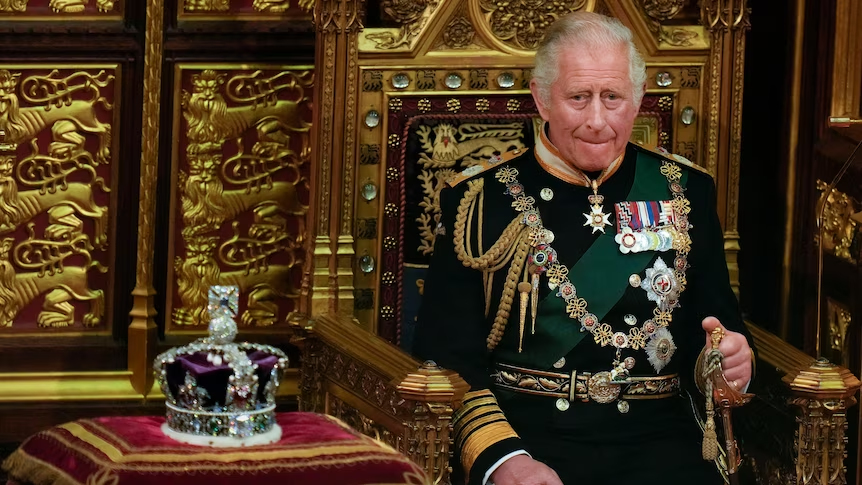
King Charles, however, has demonstrated that there will be no pathway back to public life for his disgraced brother. The removal of the banner is understood to have occurred with the King’s full knowledge and approval, if not at his direct instruction.
The Order of the Garter and Questions of Membership
While Prince Andrew’s banner has been removed from St George’s Chapel, he technically remains a member of the Order of the Garter. This has sparked considerable debate among royal watchers and constitutional experts about whether his membership itself should be revoked.
The Order of the Garter is entirely within the gift of the sovereign, meaning King Charles could theoretically remove his brother from the order without requiring parliamentary approval or broader consultation. However, such a move would be unprecedented in modern times and fraught with complications.
Precedent exists for removal from the order, but primarily in cases of treason or becoming an enemy of the state. During World War I, several members were removed, including German Emperor Wilhelm II. In more recent history, Robert Mugabe and Nicolae Ceaușescu were removed posthumously after their knighthoods were annulled.
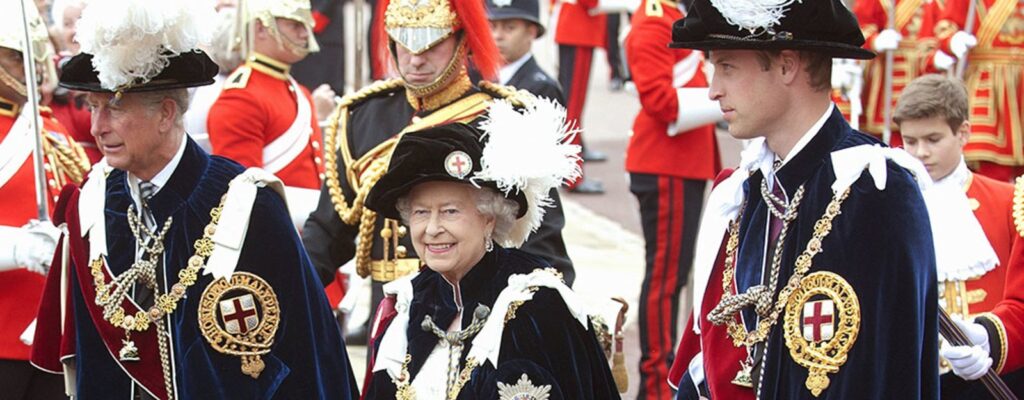
Royal commentator Richard Fitzwilliam notes: “Removing someone from the Order of the Garter is an extremely serious step that has historically been reserved for enemies of Britain. While Prince Andrew’s behaviour has been reprehensible, he hasn’t committed treason. The removal of his banner may represent a middle ground—allowing him to technically retain membership while removing the visible symbols of that honour.”
The Broader Context of Royal Reputation Management
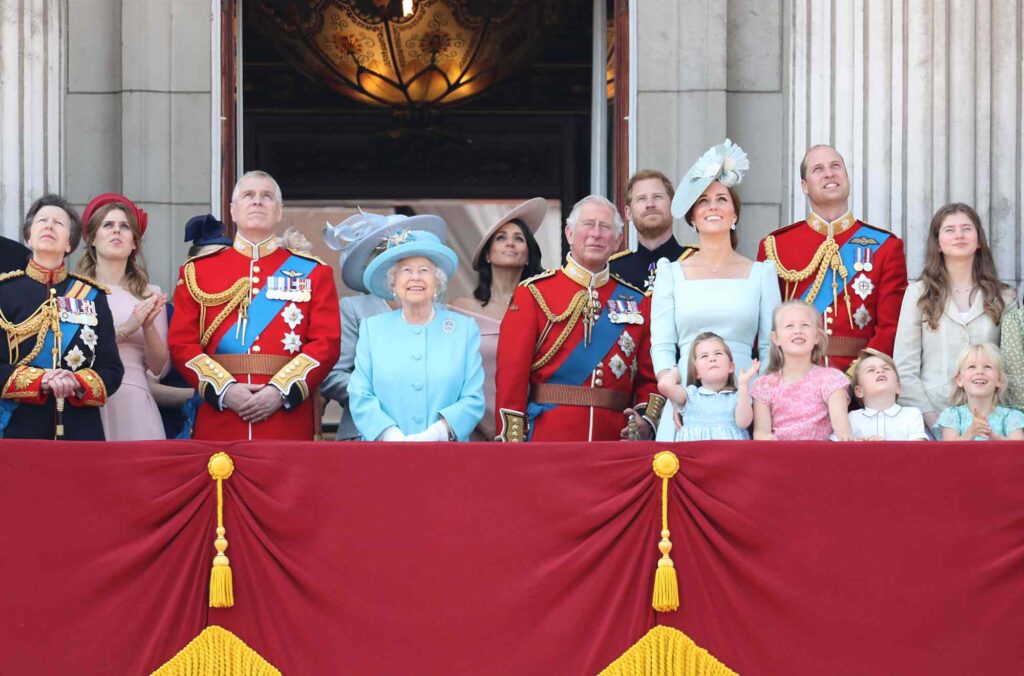
Prince Andrew’s exile occurs against a backdrop of intense scrutiny of the British Royal Family. The institution has faced numerous challenges in recent years, from Prince Harry and Meghan Markle’s departure and subsequent revelations to questions about the monarchy’s relevance in the 21st century.
King Charles is acutely aware that the survival of the monarchy depends on maintaining public support, particularly among younger generations who are increasingly questioning hereditary privilege and institutional accountability. Every decision regarding family members who have brought scandal to the royal door must be weighed against this broader context.
The swift and decisive action taken against Prince Andrew sends a clear message: the monarchy will not tolerate behaviour that damages its reputation, regardless of birth or blood relationship. This represents a significant evolution in royal thinking and demonstrates Charles’s willingness to make difficult family decisions in service of the institution.
Public Reaction and the Court of Public Opinion
British public opinion regarding Prince Andrew has been overwhelmingly negative since the Epstein scandal emerged. Polling consistently shows that he is one of the least popular members of the Royal Family, with approval ratings that have plummeted to single digits in some surveys.
A YouGov poll conducted in 2023 found that only 6% of Britons held a positive view of the Duke of York, while 86% viewed him negatively—making him the most unpopular royal by a significant margin. Even among monarchists and royal supporters, there is little sympathy for Andrew’s position.
Social media reactions to news of the banner removal have been largely supportive, with many commenters expressing that it represents appropriate accountability. “About time,” wrote one Twitter user. “He should count himself lucky that’s all he’s lost.” Another commented: “The removal of symbols is important—it sends a message that actions have consequences, even for royals.”
However, some commentators have questioned whether the removal goes far enough. Anti-monarchy group Republic has consistently called for Prince Andrew to be completely stripped of all titles, including his Duke of York peerage, and for him to face further legal scrutiny.
Life in Royal Exile: Prince Andrew’s Current Existence
Since stepping back from royal duties, Prince Andrew has lived a dramatically reduced existence compared to his previous life of privilege and public service. He now resides primarily at Royal Lodge in Windsor Great Park, a 30-room mansion that has become the subject of reported tensions with King Charles.
According to various reports, the King would prefer his brother to relocate to more modest accommodation, specifically Frogmore Cottage—the former residence of Prince Harry and Meghan Markle. However, Prince Andrew has reportedly resisted this downsizing, creating an ongoing source of family friction.
The Duke rarely appears in public, and when he does, it is typically for private family events or occasional horseback rides around the Windsor estate. He no longer carries out any official royal duties, does not represent the monarchy in any capacity, and has been conspicuously absent from major royal occasions, including the coronation of King Charles III in May 2023.
Financial questions have also emerged regarding Prince Andrew’s lifestyle. With no official income from royal duties and no clear employment, observers have speculated about how he funds his substantial living costs. Reports suggest that he continues to receive financial support from the private resources of the Royal Family, though exact details remain undisclosed.
Historical Precedents for Royal Disgrace
While Prince Andrew’s fall from grace is dramatic, it is not without historical precedent within the British Royal Family. The monarchy has weathered numerous scandals involving wayward family members throughout its long history.
Perhaps the most famous modern comparison is to King Edward VIII, who abdicated the throne in 1936 to marry American divorcée Wallis Simpson. Edward’s subsequent life as Duke of Windsor involved increasing isolation from the Royal Family, particularly after evidence emerged of his Nazi sympathies. He was effectively exiled, spending most of his remaining years in France, unwelcome in his homeland.
More recently, Princess Margaret faced social censure for her relationship with divorced Group Captain Peter Townsend in the 1950s, while Sarah Ferguson, Andrew’s ex-wife, was largely ostracized from royal circles after various scandals involving financial impropriety and tabloid exposés.
However, Prince Andrew’s situation is arguably more serious than any of these cases, involving as it does allegations of sexual misconduct and association with a convicted sex trafficker. The legal settlement, while not an admission of guilt, has been widely interpreted as evidence of wrongdoing in the court of public opinion.
The Future of the Duke of York
As Prince Andrew approaches his mid-60s, questions remain about what his long-term future holds. Royal experts universally agree that there is no realistic possibility of him returning to public royal duties or regaining his previous positions and honours.
“The door is permanently closed,” says royal biographer Andrew Morton. “Even if new evidence emerged that completely exonerated him—which seems highly unlikely—the damage to his reputation and the monarchy’s image is irreversible. He will live out his days in comfortable but quiet obscurity.”
The removal of his banner from St George’s Chapel may not be the final step in Prince Andrew’s royal demotion. Speculation continues about whether he might eventually lose his Duke of York title through an Act of Parliament, though such a move would require government initiative and is considered unlikely given other pressing priorities.
What seems certain is that Prince Andrew represents a cautionary tale about privilege, accountability, and the changing expectations placed upon royal family members in the modern era. The days when royals could behave with impunity, shielded by their birth and position, have definitively ended.
Conclusion
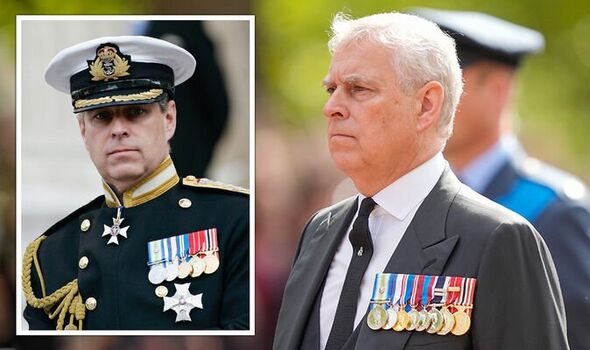
The removal of Prince Andrew’s banner from St George’s Chapel at Windsor Castle represents far more than a simple redecorating decision. It is a powerful symbol of accountability, a visible manifestation of consequences, and a clear statement about the values and direction of the British monarchy under King Charles III.
As the banner that once hung proudly in one of Britain’s most sacred royal spaces is taken down and stored away, it marks the end of a chapter in royal history—one that has been characterized by scandal, denial, legal settlements, and ultimately, exile from the very institution that once defined Prince Andrew’s entire existence.
The chapel’s remaining banners, hanging above the stalls of knights and ladies who continue to serve with honour, now tell a story of selective memory and institutional self-preservation. In removing Prince Andrew’s visible presence from this hallowed space, the Royal Family has made clear that the protection of the monarchy’s integrity supersedes even the bonds of blood.
Sources and References:
- Buckingham Palace official statements (2019-2024)
- BBC Newsnight interview transcript (November 2019)
- YouGov royal popularity polling data
- Court documents from Giuffre v. Prince Andrew civil case
- Royal historical records regarding the Order of the Garter
- Statements from royal historians and constitutional experts
- British press coverage from The Times, Telegraph, and Guardian
SEO Keywords: Prince Andrew, Windsor Castle, St George’s Chapel, Royal Family, King Charles III, Order of the Garter, Jeffrey Epstein scandal, Virginia Giuffre, Duke of York, British monarchy