Trump has DISASTER FRIDAY as GROUND WAR Imminent?!!
The United States finds itself at a critical crossroads as Friday brings a confluence of domestic chaos and international tensions that could reshape America’s political and military landscape.
With a government shutdown crippling essential services at home and escalating rhetoric surrounding potential military action in Venezuela, the Trump administration faces what political analysts are calling a “perfect storm” of crises that threatens to destabilize both domestic tranquility and international relations.
Government Shutdown Continues to Devastate American Families
The ongoing government shutdown, now extending into its latest iteration, continues to wreak havoc on millions of American households who depend on federal services and paychecks.
Federal employees across the nation are facing their latest round of uncertainty, with many unable to pay mortgages, purchase groceries, or afford basic necessities as political gridlock in Washington shows no signs of resolution.
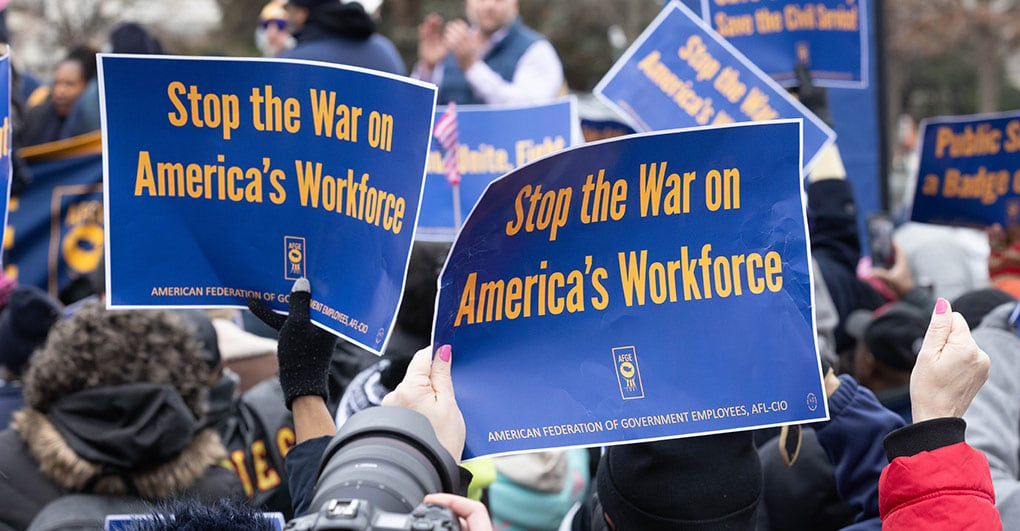
According to reports from MeidasTouch host Ben Meiselas, the human cost of this political standoff is mounting exponentially. Essential workers, including TSA agents, air traffic controllers, and border patrol agents, are being forced to work without pay, creating dangerous conditions for both the workers and the American public they serve.
Food safety inspections have been dramatically reduced, national parks are suffering from lack of maintenance and oversight, and critical government functions are operating at bare minimum capacity.
Related Post: Carney’s Success Over Trump FRUSTRATES Hoekstra, Now He’s Insulting Canadians
The shutdown’s impact extends far beyond federal employees. Small businesses that contract with the government are facing bankruptcy, economic growth projections are being revised downward, and consumer confidence is plummeting as Americans watch their government fail to perform its most basic functions.
Economic analysts estimate that each week of the shutdown costs the American economy billions of dollars in lost productivity and economic activity.
Venezuela Tensions Reach Boiling Point
As domestic turmoil intensifies, the Trump administration’s foreign policy focus has turned sharply toward Venezuela, raising alarming questions about the potential for military intervention in the South American nation.
The escalating rhetoric from administration officials, combined with increased military positioning in the region, has led political observers to question whether the United States is on the brink of entering another ground war.
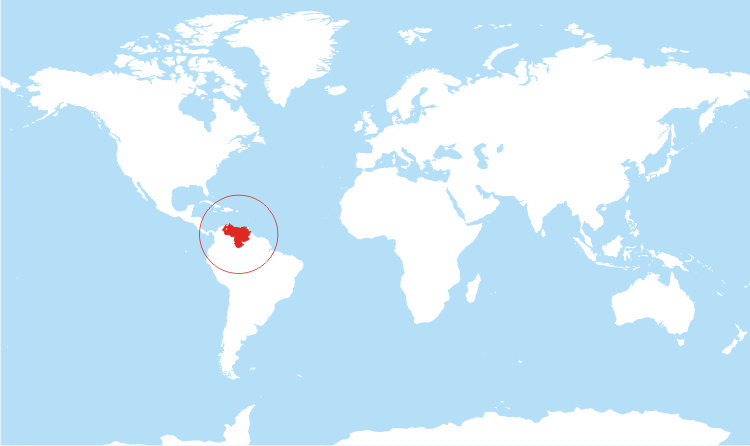
Venezuela, a nation rich in oil reserves but struggling with economic collapse, political instability, and humanitarian crisis, has long been a focal point of US foreign policy interests.
However, recent developments suggest a dramatic escalation in American involvement that could culminate in direct military action.
The prospect of US troops engaging in ground combat in Venezuela represents a potentially catastrophic expansion of American military commitments at a time when the nation is already deeply divided and struggling with internal challenges.
Intelligence reports and military analysts have noted increased US military activity in neighboring Colombia and the Caribbean, with naval assets being repositioned and special operations forces reportedly conducting preparatory assessments.
These movements, combined with increasingly aggressive statements from administration officials, paint a picture of an administration preparing for potential military intervention.
The Political Calculation Behind Military Action
Political experts and historians note that embattled presidents have historically looked to foreign military interventions as a means of rallying domestic support and distracting from internal political troubles.
The phenomenon, sometimes referred to as the “rally around the flag” effect, has been documented throughout American history, with presidents of both parties utilizing foreign crises to bolster their political standing at home.
[IMAGE REFERENCE 3: Donald Trump at recent political rally or press conference]
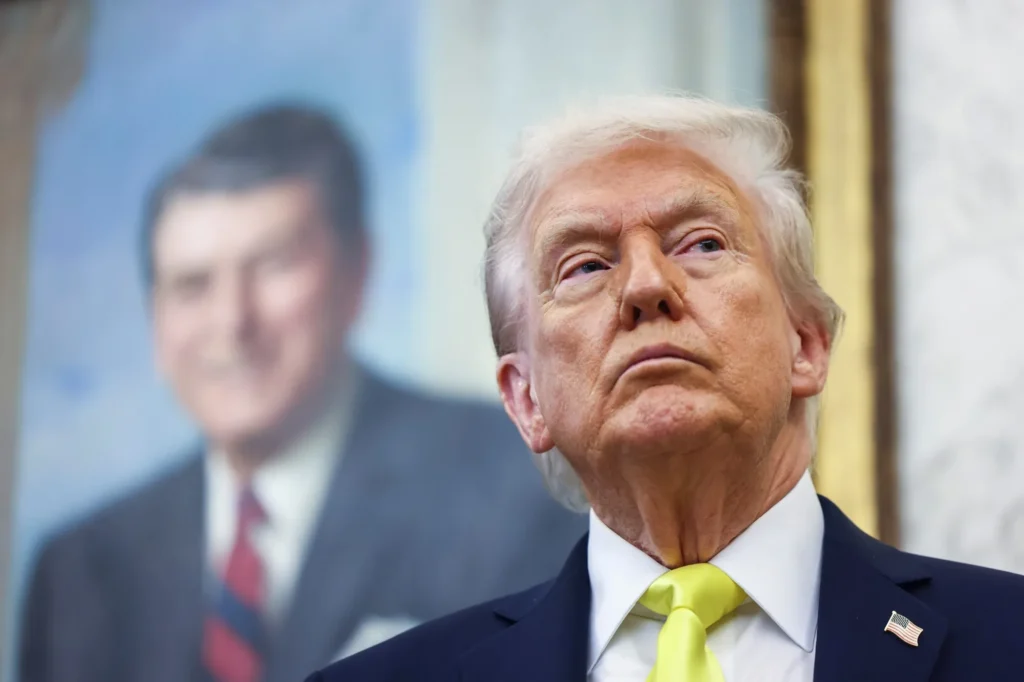
Ben Meiselas, host of the MeidasTouch podcast and legal analyst, has been providing detailed coverage of what he describes as a potentially dangerous convergence of domestic political desperation and foreign policy adventurism.
According to Meiselas’s reporting, the timing of the Venezuela escalation, coinciding with the government shutdown and mounting political pressures on the Trump administration, raises serious questions about the motivations behind potential military action.
Critics argue that entering a ground war in Venezuela would represent a catastrophic miscalculation that could result in significant American casualties, destabilize an entire region, and drain resources that are desperately needed at home.
Unlike precision airstrikes or limited special operations, a ground war would require substantial troop deployments, extended occupation, and the type of nation-building efforts that have proven disastrous in previous American interventions in Iraq and Afghanistan.
International Response and Allied Concerns
The international community has responded to the potential for US military intervention in Venezuela with alarm and concern.
Traditional American allies in Europe and elsewhere have urged diplomatic solutions to the Venezuelan crisis, warning that unilateral military action could destabilize the entire Latin American region and create a humanitarian catastrophe of unprecedented proportions.
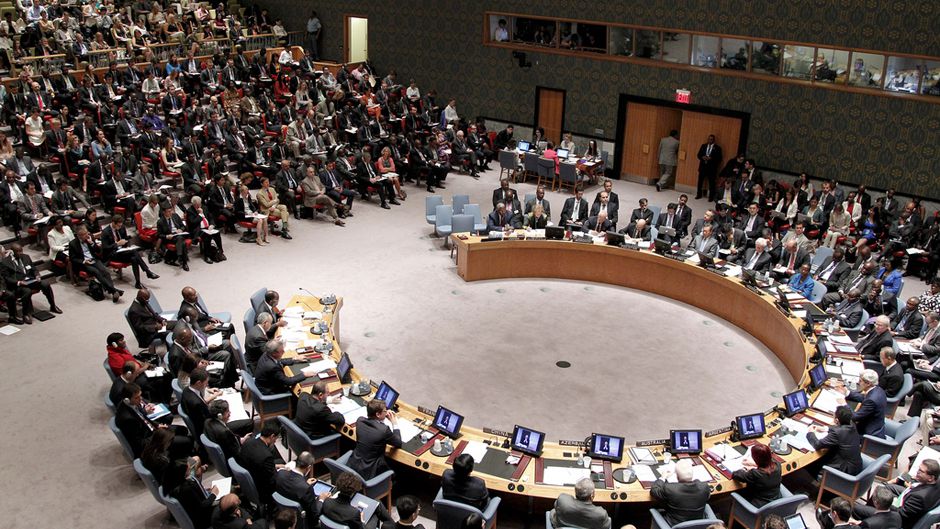
The Organization of American States (OAS) and other regional bodies have called for negotiated settlements and humanitarian assistance rather than military intervention.
Many Latin American nations, while critical of the Venezuelan government’s human rights record and economic mismanagement, strongly oppose any US military action in the region, viewing it as a return to the interventionist policies that characterized much of the 20th century.
Russia and China, both of which have significant economic interests in Venezuela, have warned against US military intervention, raising the specter of broader international confrontation.
These geopolitical complications add another layer of danger to potential military action, as intervention could trigger responses from other major powers and potentially escalate into a broader conflict.
Domestic Opposition Builds
Within the United States, opposition to potential military action in Venezuela is building across the political spectrum. Progressive Democrats have been vocal in their opposition, arguing that military intervention would be both morally wrong and strategically disastrous.
Some Republican lawmakers, particularly those with libertarian leanings, have also expressed skepticism about expanding American military commitments abroad.
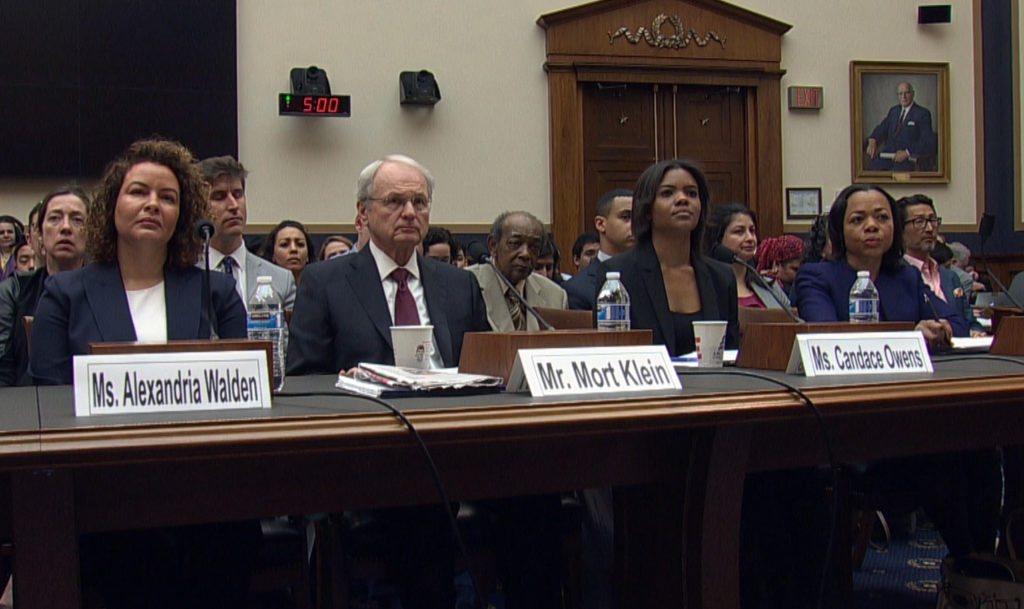
Military veterans’ organizations have raised concerns about sending American troops into another protracted conflict without clear objectives or exit strategies.
Many veterans of the Iraq and Afghanistan wars have spoken out against repeating the mistakes of those interventions, which resulted in thousands of American casualties and trillions of dollars in costs without achieving stated objectives.
Public opinion polling shows that Americans are deeply skeptical of new military interventions, with large majorities opposing the deployment of ground troops to Venezuela.
War fatigue from two decades of conflict in the Middle East has left the American public with little appetite for new military adventures, particularly in a region where vital American interests are not clearly at stake.
The Humanitarian Crisis in Venezuela
While debate rages about potential military intervention, the humanitarian situation in Venezuela continues to deteriorate. Millions of Venezuelans have fled the country, creating a refugee crisis that has impacted neighboring nations throughout Latin America.
Those who remain face hyperinflation, food and medicine shortages, collapsing infrastructure, and political repression.
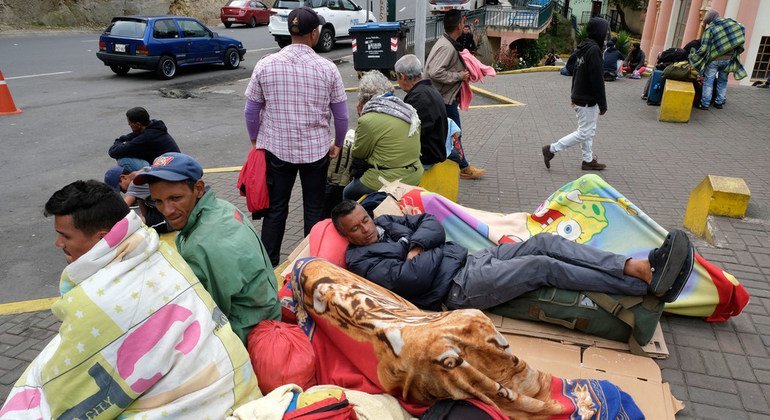
Humanitarian organizations have documented widespread suffering, including malnutrition, preventable disease outbreaks, and the breakdown of basic social services. However, these same organizations, along with many policy experts, argue that military intervention is unlikely to alleviate and would likely exacerbate the humanitarian crisis.
Historical precedents suggest that military interventions often create massive displacement, destroy infrastructure, and interrupt the flow of humanitarian assistance.
Aid organizations operating in the region have called for increased humanitarian assistance, diplomatic pressure for political reform, and support for Venezuelan civil society rather than military action. They argue that the Venezuelan people need food, medicine, and support for democratic institutions, not bombs and occupation forces.
Economic Implications of Military Action
Beyond the human costs, military intervention in Venezuela would carry enormous economic implications for the United States. At a time when the government shutdown is already straining the federal budget and economic growth is uncertain, launching a major military operation would require hundreds of billions of dollars in additional spending.

Defense analysts estimate that a ground war in Venezuela could cost taxpayers anywhere from $500 billion to over $2 trillion, depending on the scale and duration of the conflict.
These costs would come at a time when the nation is already grappling with massive federal debt, competing domestic priorities, and an economy showing signs of vulnerability.
The oil markets would likely experience significant volatility in response to military action in Venezuela, one of the world’s largest oil producers. While some have argued that securing Venezuelan oil resources could benefit American interests, history suggests that military interventions rarely result in stable energy supplies and often trigger price spikes that harm consumers and businesses.
Constitutional and Legal Questions
Legal scholars and constitutional experts have raised serious questions about the authority for potential military action in Venezuela. The Constitution grants Congress the power to declare war, yet recent presidents from both parties have frequently engaged in military operations without formal congressional authorization, relying instead on broadly worded authorizations for the use of military force or claims of executive authority.
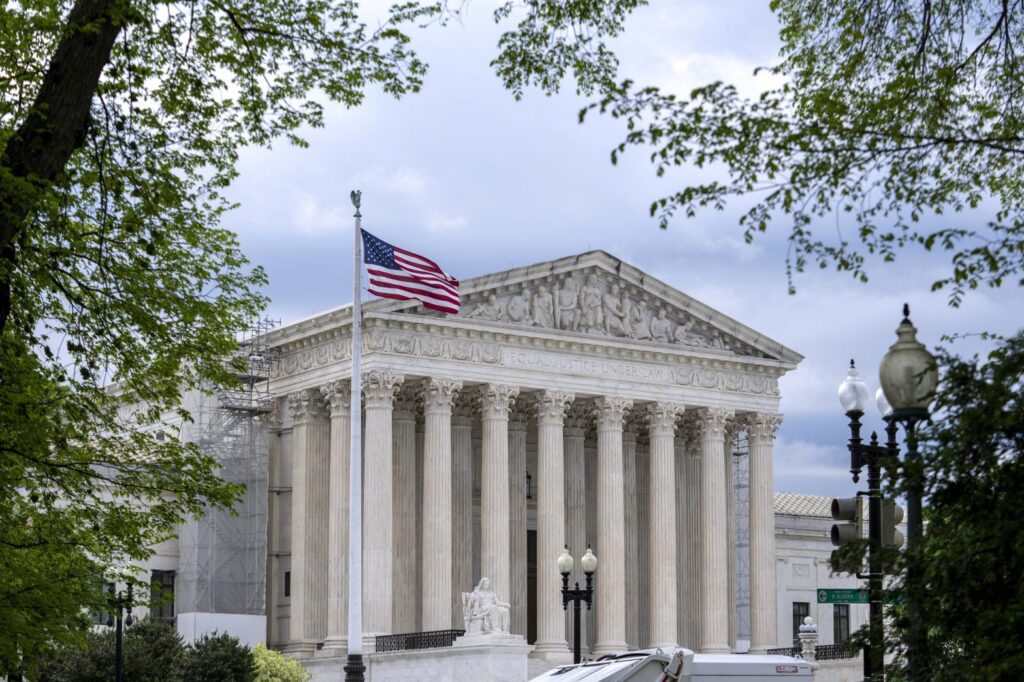
Several members of Congress have already indicated they would oppose any military action in Venezuela that lacks congressional approval.
Some have threatened to introduce legislation specifically prohibiting the use of funds for military operations in Venezuela without explicit congressional authorization. These constitutional debates add another layer of complexity to an already complicated situation.
International law also presents obstacles to unilateral military intervention. Without United Nations authorization or a credible claim of self-defense, military action in Venezuela could violate the UN Charter and other international legal frameworks.
Such violations could further isolate the United States internationally and undermine the rules-based international order that has generally served American interests since World War II.
The Path Forward
As this “Disaster Friday” unfolds, Americans are left wondering whether their government will resolve its domestic dysfunction or potentially compound its problems by launching into foreign military adventure.
The convergence of the ongoing government shutdown with escalating tensions over Venezuela creates a moment of profound uncertainty and danger.
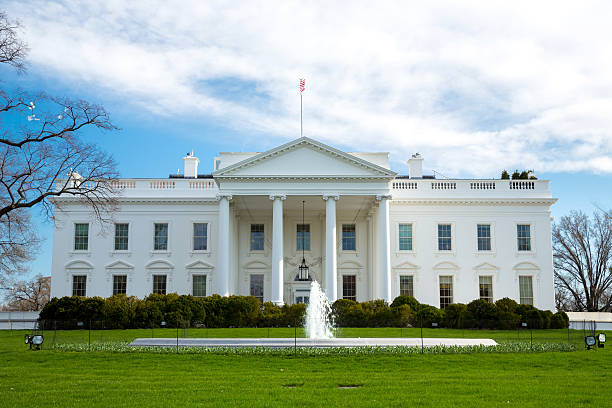
Political observers note that the coming days and weeks will be critical in determining whether cooler heads prevail or whether the United States embarks on a path that could fundamentally alter its domestic politics and international standing.
Diplomatic efforts, congressional oversight, public pressure, and internal administration debates will all play roles in determining the ultimate outcome.
For millions of Americans affected by the government shutdown and concerned about potential military escalation, Friday represents not just another day of political chaos but a potential turning point that could have consequences lasting for generations.
Whether this proves to be merely another crisis in a presidency marked by turmoil or the prelude to something far more consequential remains to be seen.
Conclusion
The simultaneous crises of government dysfunction at home and potential military escalation abroad present the American people with stark choices about their nation’s future direction.
As Ben Meiselas and other journalists continue to investigate and report on these developments, citizens must remain informed and engaged, demanding accountability from their elected representatives and clear answers about the path their country is being asked to follow.
The question facing America on this “Disaster Friday” is whether a nation already struggling with internal divisions and governmental paralysis can afford to add the burden of a new ground war to its already heavy load.
History suggests that such combinations of domestic weakness and foreign adventurism rarely end well, and that the costs—measured in lives, treasure, and national unity—can be devastating and long-lasting.
As this situation continues to develop, one thing remains clear: the decisions made in the coming days will shape American domestic politics and foreign policy for years to come, making this not just a disastrous Friday, but potentially a defining moment in American history.
Sources and Citations:
- MeidasTouch Network coverage and reporting by Ben Meiselas
- Congressional Budget Office estimates on government shutdown costs
- Defense Department public statements and military positioning reports
- Organization of American States official statements
- Public opinion polling from major survey organizations
- Historical analysis from military policy research institutes
- United Nations humanitarian reports on Venezuela
- Constitutional law scholarly analysis