GOP Leaders SPIRAL IN PUBLIC as Plans BACKFIRE in THEIR FACES
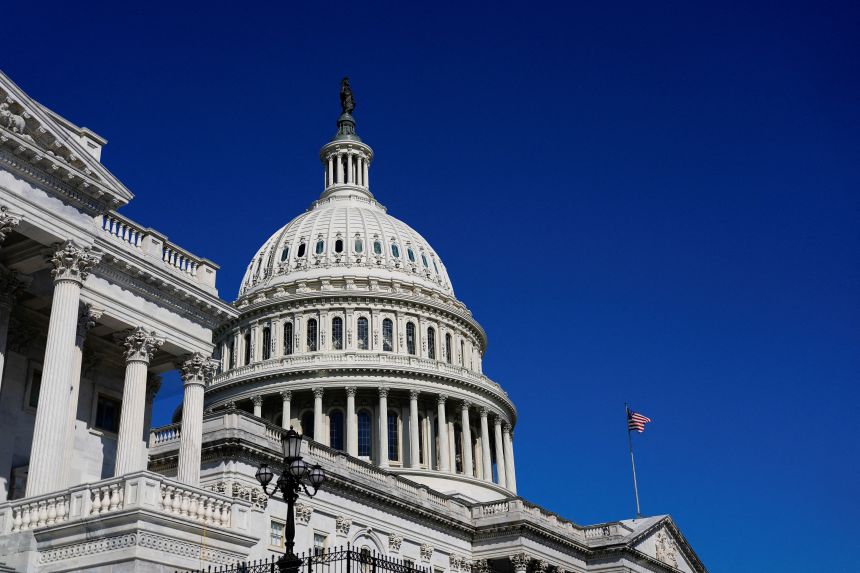
In what political analysts are calling one of the most chaotic periods in recent congressional history, Republican leadership is facing mounting pressure as government shutdown strategies appear to be unraveling spectacularly.
The political fallout is intensifying across districts nationwide, with GOP House members finding themselves caught between loyalty to former President Donald Trump and the devastating impact on their constituents.
Trump’s Shutdown Strategy Backfires on Republican Districts
MeidasTouch host Ben Meiselas recently shed light on the escalating crisis, reporting that Donald Trump has effectively orchestrated a situation where GOP House members are being forced into increasingly uncomfortable public positions.
The shutdown, which Trump has championed as a negotiating tactic, is now crushing the lives of Americans in the very districts these representatives serve—creating a political nightmare for Republicans heading into the 2026 election cycle.
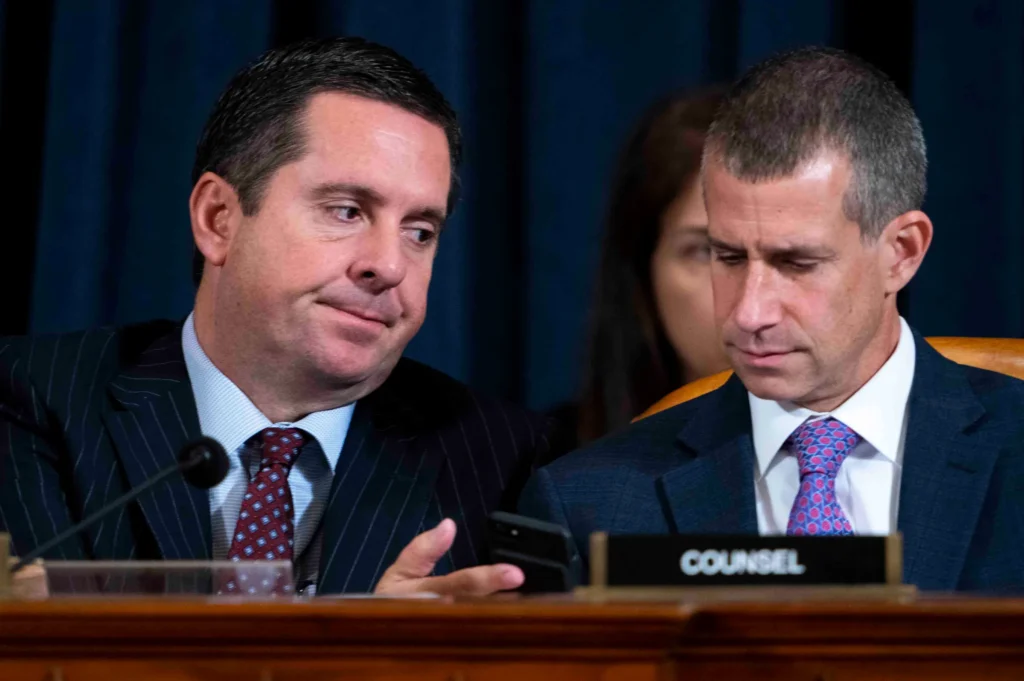
The political calculus that once seemed straightforward to GOP leadership has transformed into a minefield of consequences. Federal workers across the nation are facing missed paychecks, essential government services are grinding to a halt, and the public outcry is growing louder by the day.
For Republican representatives who pledged fiscal responsibility and effective governance, the optics couldn’t be worse.
Congressional Democrats Sound the Alarm
In an illuminating conversation with Meiselas, New Hampshire Democratic Congressman Chris Pappas—who is currently running for his state’s open Senate seat—provided crucial perspective on the crisis unfolding in Washington.
Representative Pappas, who has built a reputation as a pragmatic voice in Congress, didn’t mince words about the Trump-driven shutdown and its ramifications for everyday Americans.
“What we’re witnessing is political theater at the expense of real people’s livelihoods,” Pappas explained during the interview. “Federal employees in New Hampshire and across the country are being used as pawns in a game that serves no one except those seeking to create chaos for political gain.”
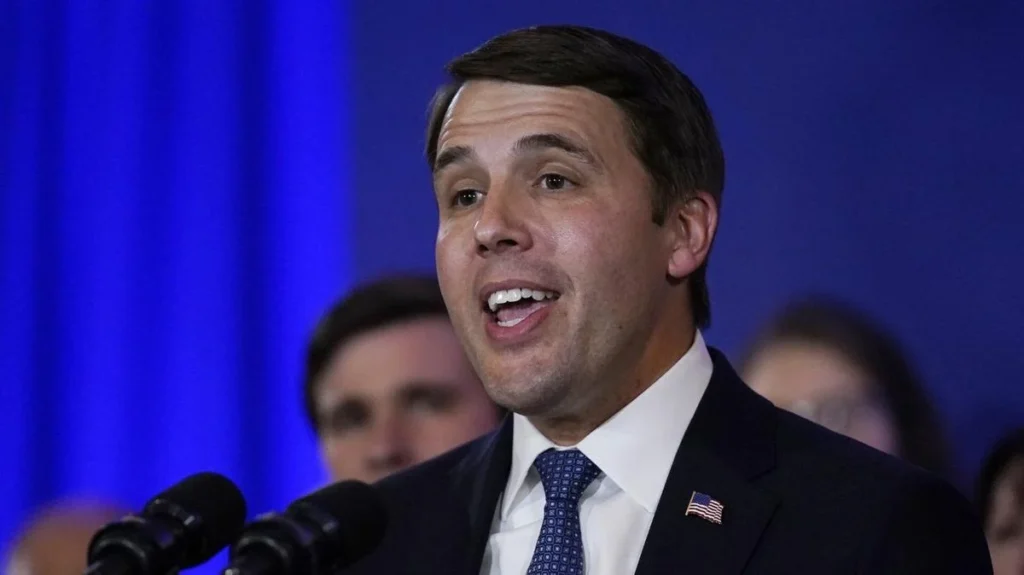
Pappas’s perspective is particularly significant given his dual role as both a sitting congressman dealing with the immediate crisis and a Senate candidate who must articulate a vision for federal governance that resonates with voters.
His criticism of the shutdown reflects growing frustration among Democrats who argue that Republican leadership has abdicated its responsibility to govern effectively.
Related Post: Carney’s Success Over Trump FRUSTRATES Hoekstra, Now He’s Insulting Canadians
The Human Cost of Political Brinkmanship
Beyond the political maneuvering in Washington, the shutdown is having tangible, devastating effects on American families. Federal workers—from TSA agents to park rangers, from food safety inspectors to air traffic controllers—are facing impossible choices between paying rent and buying groceries.
In districts across America, including many represented by Republicans, constituent services are overwhelmed with calls from desperate families. Food assistance programs are in jeopardy, national parks are closing, and critical government functions are operating with skeleton crews or not at all.
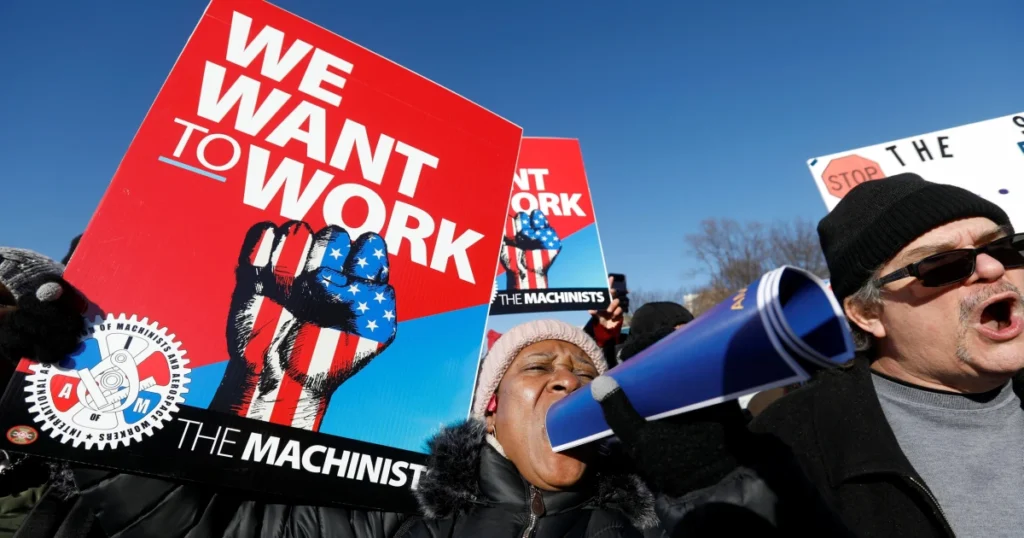
The irony is not lost on political observers: many of the districts most severely impacted by the shutdown are represented by the very Republicans who voted to support Trump’s hardline position.
From rural communities dependent on USDA services to military families awaiting benefits, the consequences are being felt in GOP strongholds just as acutely as anywhere else.
GOP House Members Face Impossible Position
Republican House members find themselves in an extraordinarily difficult position. On one hand, defying Trump risks primary challenges from well-funded MAGA candidates and the wrath of the former president’s substantial base.
On the other hand, supporting policies that harm their constituents creates vulnerabilities in general elections and damages their credibility as effective representatives.
This tension has manifested in increasingly awkward public appearances and contradictory statements from GOP leaders. Some Republican representatives have attempted to distance themselves from the shutdown while simultaneously voting along party lines. Others have remained conspicuously silent, hoping the controversy will pass without forcing them to take a definitive stance.
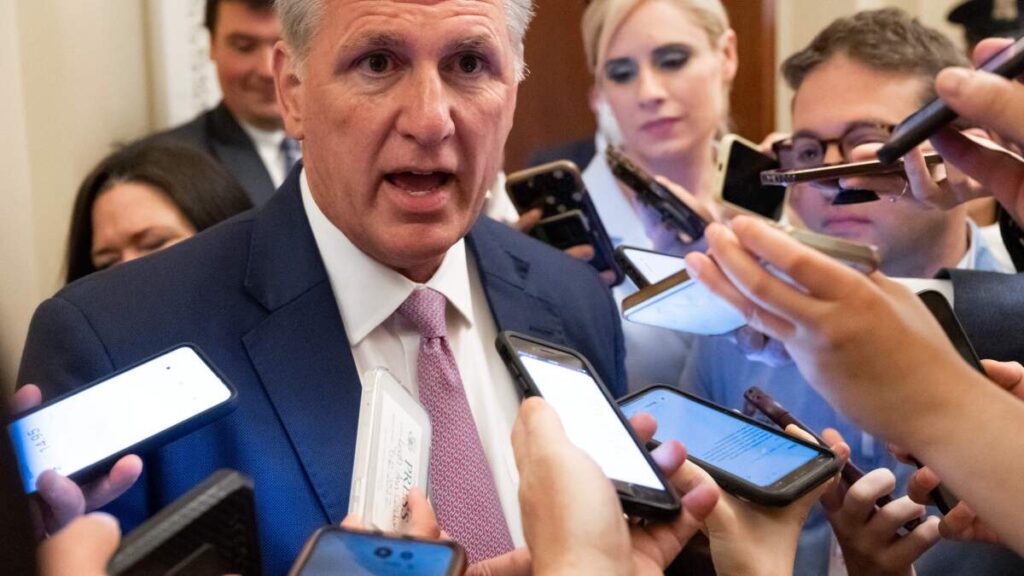
House Speaker and other GOP leaders have struggled to maintain unity within their ranks as moderate Republicans express private frustration with the direction of the party.
Sources within the Capitol suggest that behind closed doors, tensions are running high, with some members questioning whether unwavering loyalty to Trump’s agenda is politically sustainable.
The 2026 Electoral Implications
For Democrats like Chris Pappas, the current crisis represents both a challenge and an opportunity. As he transitions from his House campaign to a Senate race, Pappas is positioning himself as a voice of reason and effective governance—qualities that may resonate with voters exhausted by political dysfunction.
“New Hampshire voters want representatives who will show up, do the work, and put people before politics,” Pappas told Meiselas. “This shutdown exemplifies everything that’s wrong with the current approach to governance coming from Trump and his allies in Congress.”
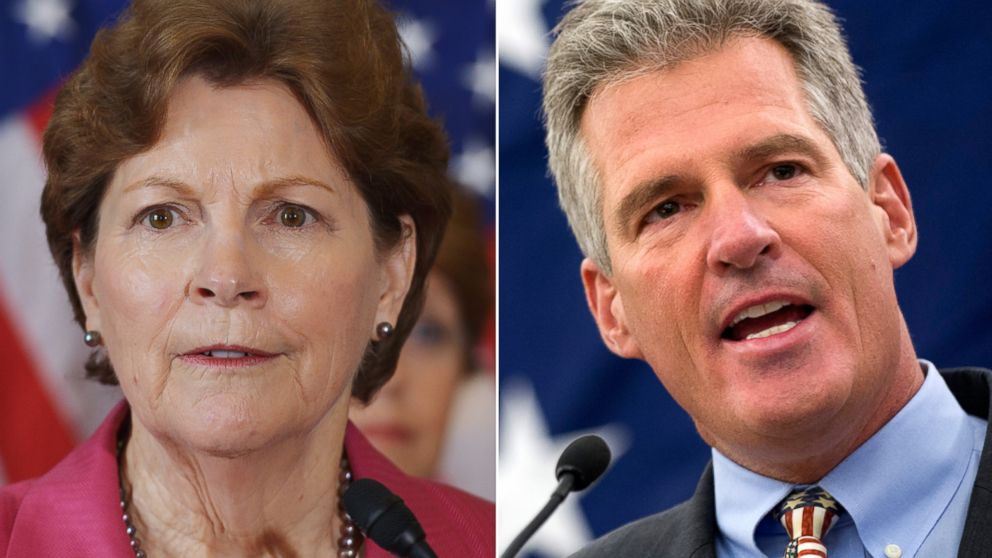
Political strategists on both sides acknowledge that the shutdown could have significant ramifications for the 2026 midterm elections. Historically, government shutdowns have politically damaged the party perceived as responsible.
With Trump’s fingerprints clearly on this crisis and Republican House members voting in lockstep, Democrats are making the case that voters should hold the GOP accountable.
Polling data from recent weeks suggests that public opinion is trending against Republicans on the shutdown issue. Independent voters, in particular, appear increasingly frustrated with what they perceive as unnecessary political gamesmanship that harms innocent Americans.
The Broader Pattern of GOP Dysfunction
The current shutdown crisis is not occurring in isolation—it represents the latest chapter in a broader pattern of Republican Party dysfunction that has characterized the Trump era and its aftermath.
From the chaotic Speaker elections to legislative deadlocks over routine government funding, the GOP has struggled to demonstrate basic governing competency.
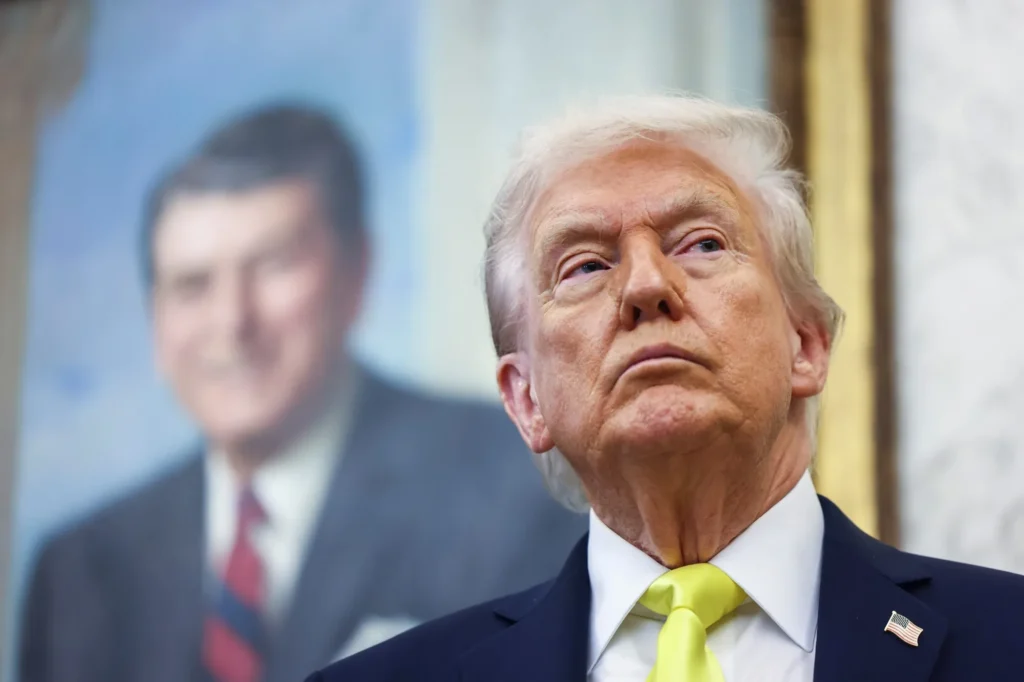
Critics argue that Trump’s continued influence over the Republican Party has transformed it from a traditional conservative movement into a personality-driven organization more focused on loyalty tests than policy achievements.
This transformation has created a parliamentary gridlock where compromise is viewed as betrayal and political theater takes precedence over constituent services.
For Republicans who entered politics to advance conservative principles through effective governance, the current moment represents a profound crisis of purpose.
The party that once championed limited but effective government now finds itself championing shutdowns that demonstrate government ineffectiveness—a contradiction that hasn’t gone unnoticed by voters or political observers.
What Democratic Leaders Are Saying
Democratic leadership has been unified in their criticism of the Republican-driven shutdown, with senior party figures using the crisis to draw sharp contrasts with GOP governance.
House Democratic leaders have emphasized their willingness to negotiate and pass clean funding bills, positioning their caucus as the adults in the room.
“We’ve seen this playbook before,” noted one senior Democratic aide. “Republicans create a crisis, blame Democrats, and then scramble when the political fallout hits their own districts. The difference this time is that voters are seeing through it more quickly.”
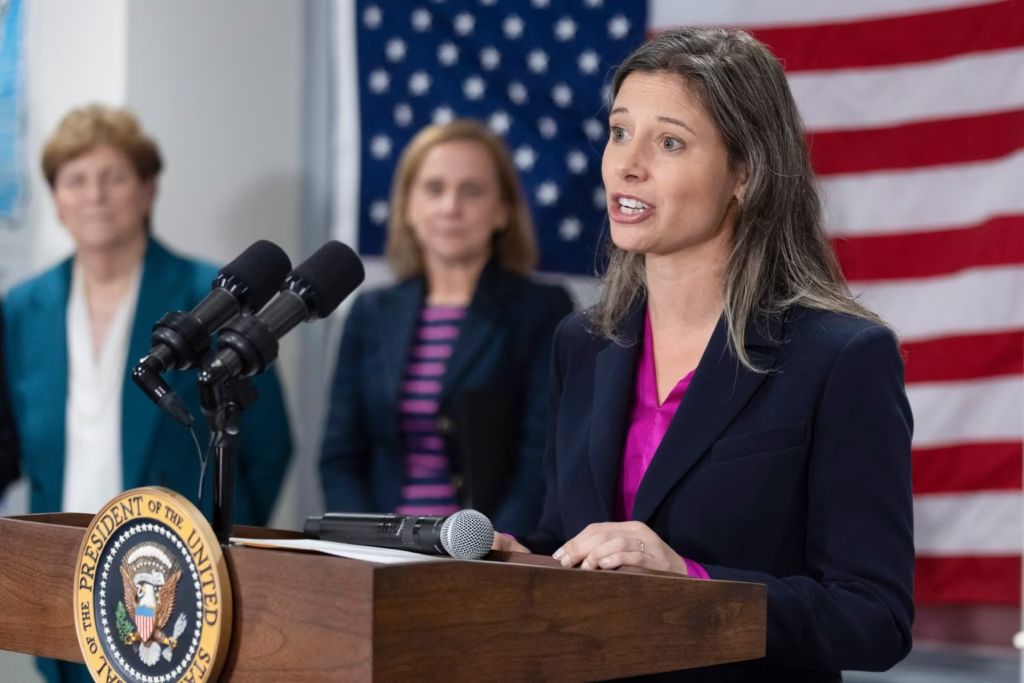
Beyond the immediate political messaging, Democrats are also highlighting substantive policy differences. They’ve pointed to Republican opposition to popular programs, attempts to cut Social Security and Medicare, and the general chaos as evidence that the GOP is unfit to govern effectively.
The View from Main Street America
Perhaps most damaging for Republicans is the reaction from ordinary Americans who are directly impacted by the shutdown. Social media platforms are flooded with stories of federal workers visiting food banks, contractors losing income, and families forced to make impossible financial decisions.
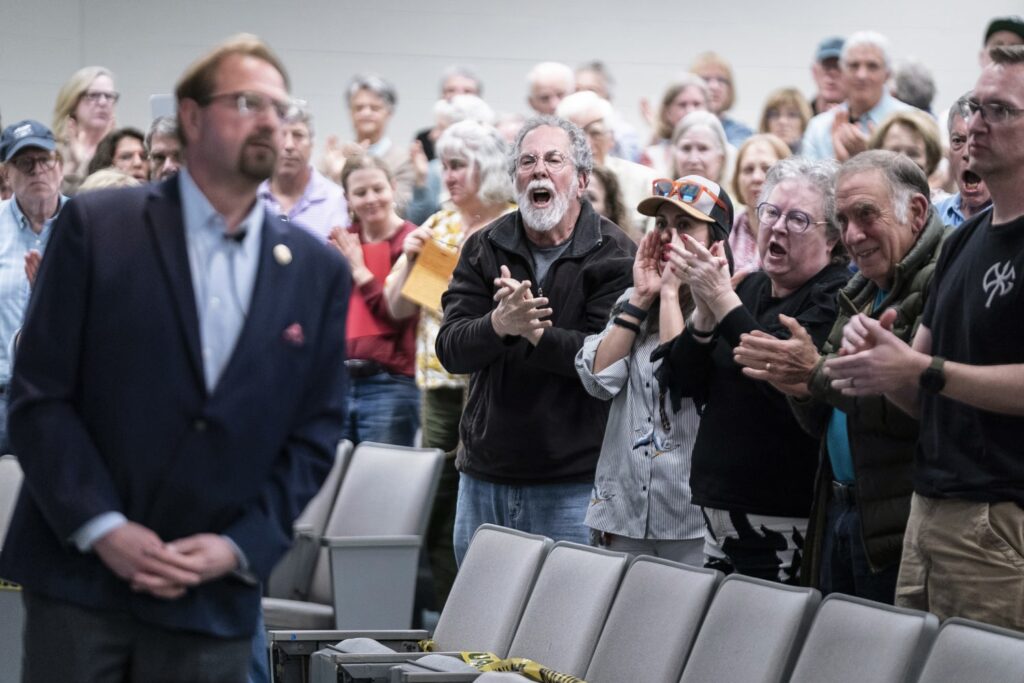
In town halls and community meetings across the country, Republican representatives are facing angry constituents demanding to know why political posturing takes precedence over their wellbeing. Videos of these confrontations have gone viral, further amplifying the narrative that GOP leadership is out of touch with the real-world consequences of their actions.
Small business owners who rely on government contracts are sounding alarms about potential bankruptcies. Tourism-dependent communities near national parks are watching their economic lifeblood disappear. Veterans’ service organizations are warning about delays in critical benefits and healthcare services.
Historical Context and Precedent
History offers little comfort for Republicans hoping the political damage from shutdowns will quickly fade. The 2013 shutdown orchestrated by Republicans over Obamacare ultimately harmed the GOP politically, despite the party’s electoral success in 2014.
The 2018-2019 shutdown—the longest in American history—contributed to Republican losses in suburban districts and damaged Trump’s approval ratings.
Political scientists note that while the immediate political impact of shutdowns can be complex, the long-term consequences typically favor the party perceived as more willing to compromise and govern.
Democrats are betting that 2026 will follow this historical pattern, with Republicans paying an electoral price for their current tactics.
What Happens Next
As the shutdown continues, pressure is mounting from multiple directions. Business groups traditionally aligned with Republicans are publicly calling for an end to the crisis. Military leaders are warning about readiness implications. Even some conservative media outlets are questioning the strategic wisdom of the current approach.
The question now is whether Republican leadership will find a face-saving exit strategy or whether the crisis will continue to escalate. Some political observers believe that mounting pressure from constituents will eventually force enough GOP defections to pass a funding bill.
Others worry that the party’s internal dynamics make such a resolution unlikely without Trump’s explicit approval.
For Democrats like Chris Pappas, the focus remains on highlighting the human cost of Republican dysfunction while offering an alternative vision of effective, responsive governance. “The American people deserve better than this,” Pappas emphasized.
“They deserve representatives who will work across the aisle to solve problems rather than creating crises for political gain.”
The Senate Race Dimension
Pappas’s Senate campaign adds another layer of intrigue to the current crisis. As he seeks to move from the House to the Senate, he’s positioning himself as exactly the kind of pragmatic, solutions-oriented leader that voters claim to want.
The shutdown provides a perfect contrast—Republicans creating chaos versus Democrats working to restore normalcy.
New Hampshire, with its tradition of independent-minded voters and split-ticket voting, could be receptive to Pappas’s message. The state has historically rewarded candidates who demonstrate bipartisanship and effectiveness over rigid ideological positioning.
If the shutdown continues or worsens, it could provide Pappas with a powerful campaign narrative about the stakes of the election.
Conclusion: A Party at a Crossroads
The current crisis facing Republican leadership represents more than just another political controversy—it’s a fundamental test of whether the GOP can function as a governing party or whether it has fully transformed into an opposition movement even when holding power in the House.
For the Americans caught in the crossfire—federal workers missing paychecks, families unable to access services, communities suffering economic damage—the political calculations in Washington offer little comfort. They simply want their government to function and their representatives to prioritize their wellbeing over political loyalty.
As Ben Meiselas’s reporting and Chris Pappas’s perspective make clear, the current moment is unsustainable. Something will have to give—either Republican leadership will chart a new course, or voters will make that decision for them in upcoming elections.
What’s certain is that the political spiral currently consuming GOP leadership shows no signs of slowing, and the backfiring of their plans is becoming more spectacular with each passing day.
The coming weeks will determine not just whether the government reopens, but whether the Republican Party can rediscover the basic competency required to govern a nation. For now, the spiral continues, and Americans across the political spectrum are watching with a mixture of frustration, concern, and disbelief.
SEO Keywords: GOP shutdown, Republican leadership crisis, Chris Pappas Senate race, Trump government shutdown, federal workers impact, House Republicans divided, 2026 midterm elections, New Hampshire Senate race, government dysfunction, political accountability
External Citation Sources:
- MeidasTouch interview with Rep. Chris Pappas
- Historical government shutdown data
- Public polling on shutdown responsibility
- Congressional voting records