King Charles strips brother Andrew of titles and his mansion – Andrew stripped of all his royal titles, forced out of mansion amid Epstein scandal scrutiny
In an unprecedented move that has sent shockwaves through the British monarchy, King Charles III has taken decisive action against his younger brother, Prince Andrew, stripping him of remaining privileges and forcing him out of his long-time residence at Royal Lodge.
The dramatic decision, which royal insiders describe as both necessary and overdue, marks one of the most significant family interventions in modern royal history and demonstrates the King’s commitment to protecting the institution of the monarchy at all costs.
The Fall of a Prince: Andrew’s Dramatic Downfall
Prince Andrew, the Duke of York and second son of the late Queen Elizabeth II, has experienced a spectacular fall from grace that culminated in this week’s stunning announcement from Buckingham Palace.
Once a decorated Royal Navy veteran and working royal who represented the Crown on numerous official engagements, the 64-year-old prince now finds himself completely ostracized from royal life and facing an uncertain future.
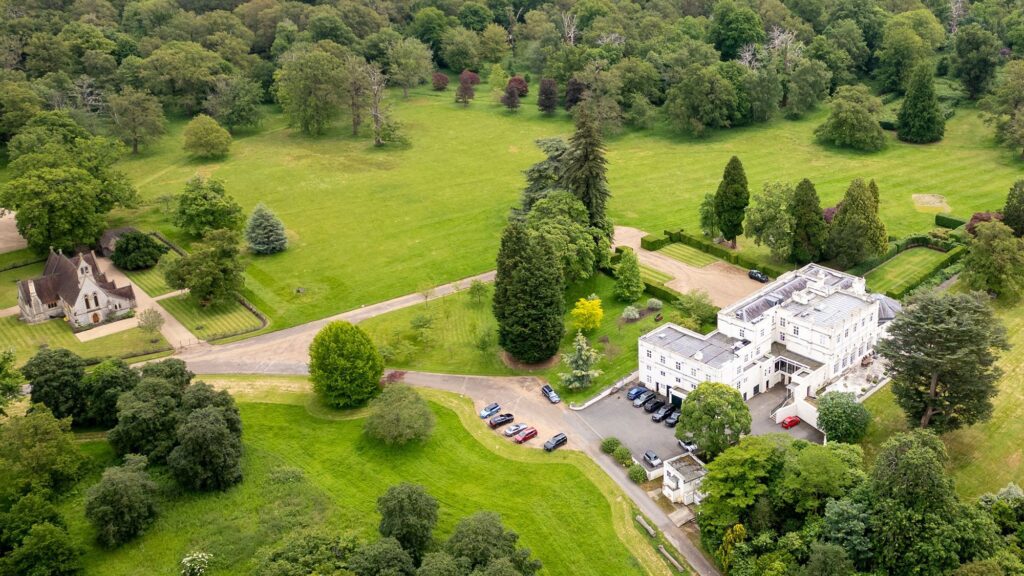
The King’s decision to remove his brother from Royal Lodge, the sprawling 30-room mansion in Windsor Great Park where Andrew has lived since 2003, represents the final chapter in a saga that has plagued the royal family for years.
Sources close to the palace indicate that Charles had been contemplating this move since ascending to the throne in September 2022, but waited for the appropriate moment to execute what many are calling a “complete severance” of Andrew from official royal life.
The Epstein Connection: The Scandal That Changed Everything
At the heart of Andrew’s downfall lies his association with convicted sex offender Jeffrey Epstein and the subsequent allegations made against the prince by Virginia Giuffre. The scandal, which first emerged in 2011 but gained renewed attention in 2019 following Epstein’s arrest and death, has cast a long shadow over the British monarchy and created what palace officials privately describe as an “untenable situation.”
Related Post: Prince Andrew’s Banner Removed from Chapel at Windsor Castle in Symbolic Royal Demotion
Giuffre alleged that she was trafficked by Epstein and forced to have sexual encounters with Prince Andrew on three occasions when she was 17 years old. Andrew has consistently denied all allegations, but his disastrous November 2019 BBC Newsnight interview with Emily Maitlis only served to deepen the crisis.
During the interview, the prince offered explanations that were widely ridiculed, including claiming he couldn’t have been at a London nightclub with Giuffre because he was at a Pizza Express in Woking and suggesting he couldn’t sweat due to a medical condition from the Falklands War.
The fallout from that interview was immediate and severe. Within days, Andrew announced he would step back from public duties “for the foreseeable future.” However, that proved to be merely the first step in his removal from royal life.

A Legal Settlement and Further Isolation
In February 2022, as a civil lawsuit brought by Giuffre in New York approached trial, Andrew reached an out-of-court settlement with his accuser. While the terms were not disclosed, reports suggested the settlement amount was in the region of £12 million.
Critically, the settlement included no admission of liability from Andrew, but the very fact that a member of the royal family had paid such a sum spoke volumes to public observers.
Just days before the settlement was announced, Queen Elizabeth II moved to strip Andrew of his military affiliations and royal patronages, and he was barred from using the style “His Royal Highness” in any official capacity. At the time, this was seen as the harshest possible punishment – a clear signal that Andrew was being cut loose from the institution he had served for decades.
However, the late Queen stopped short of forcing her son from his home or removing all financial support. That delicate balance, maintained by maternal affection and perhaps a desire to avoid further public spectacle, has now been decisively overturned by King Charles.
Royal Lodge: The 30-Room Bone of Contention
Royal Lodge itself has been a point of contention for years. The Grade II-listed property, located in Windsor Great Park just three miles south of Windsor Castle, is a substantial residence with 30 rooms set in 98 acres of secluded grounds.
Andrew secured a 75-year lease on the property in 2003 for the modest sum of £1 million, with an agreement to maintain and renovate the building.
The Duke of York reportedly spent more than £7 million renovating the mansion, which had fallen into disrepair during its previous occupancy by the Queen Mother. The property became Andrew’s primary residence, shared until recently with his ex-wife Sarah Ferguson, with whom he has maintained an unusually close relationship despite their 1996 divorce.
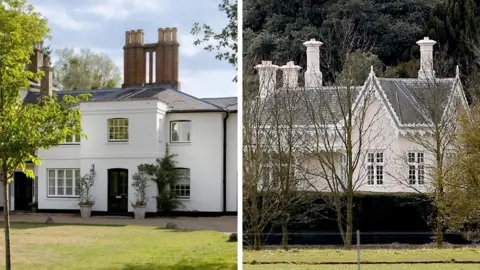
King Charles had reportedly long believed that Royal Lodge was too grand for a non-working royal and had been pressuring Andrew to downsize to the more modest Frogmore Cottage – the former home of Prince Harry and Meghan Markle. However, Andrew steadfastly refused, creating a stalemate that has now been decisively broken.
The King’s Decision: Protecting the Monarchy’s Future
Royal commentators and palace insiders suggest that Charles’s decision to finally force Andrew out represents a clear strategy to modernize and streamline the monarchy while protecting its reputation.
Since becoming King, Charles has made no secret of his vision for a “slimmed-down” monarchy, with fewer working royals receiving public funding and residing in royal properties.
“The King has been crystal clear that only working royals who contribute to the Crown should benefit from royal residences and the privileges that come with them,” explained royal historian Dr. Anna Whitelock.
“Prince Andrew no longer performs any official duties, no longer receives public funding through the Sovereign Grant for his activities, and represents a significant reputational risk to the institution. From Charles’s perspective, there is simply no justification for him to remain at Royal Lodge.”
The decision also reflects Charles’s determination to prevent the Andrew scandal from continuing to overshadow his reign. Every photograph of Andrew at royal events, every news story about his living arrangements or financial support from the family, serves as a reminder of the scandal and raises uncomfortable questions about the monarchy’s judgment and values.
Financial Implications and Security Concerns
Beyond the symbolic importance of the residence, there are significant financial considerations at play. Royal Lodge requires substantial upkeep and, crucially, expensive security arrangements.
As a member of the royal family, even a disgraced one, Andrew has been receiving taxpayer-funded police protection estimated to cost several million pounds annually.
By forcing Andrew to vacate Royal Lodge and consolidate into smaller accommodations – likely Frogmore Cottage or another, more modest property – Charles can significantly reduce these security costs while also sending a clear message about accountability and consequences.
Furthermore, sources suggest that Charles has moved to cut off or significantly reduce private financial support that Andrew had been receiving from the Duchy of Lancaster, the private estate that funds the sovereign’s official expenditure.
This would leave Andrew dependent on his Royal Navy pension and whatever personal savings and investments he has accumulated, dramatically reducing his ability to maintain the lifestyle he has enjoyed for decades.
Family Tensions and the Human Cost
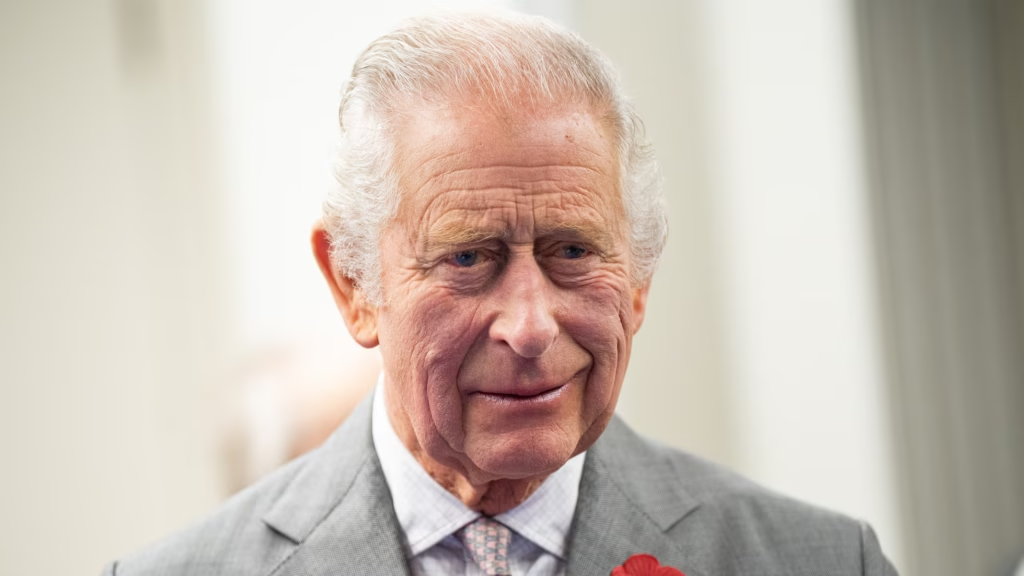
While the institutional logic behind Charles’s decision is clear, the personal dynamics are undoubtedly painful. Andrew is, after all, Charles’s younger brother, and the two grew up together as part of one of the world’s most famous families. By most accounts, they maintained a cordial if not particularly close relationship throughout their lives.
However, sources close to the King suggest that Charles had grown increasingly frustrated with Andrew’s refusal to accept the gravity of his situation and his apparent expectation that he could maintain his previous lifestyle despite being effectively exiled from royal duties.
One palace insider described Andrew as being “in complete denial” about the damage his association with Epstein has caused to the royal family’s reputation.
“His Majesty has shown enormous patience, but there comes a point where the institution must come before family sentiment,” the source explained. “The Andrew situation has been a millstone around the monarchy’s neck for years, and the King has decided that enough is enough.”
The decision has reportedly caused significant strain within the family, with some members sympathetic to Andrew’s plight while others support Charles’s firm stance. Princess Anne, the King’s sister, is said to have backed the decision, recognizing that difficult choices are necessary to preserve the monarchy’s relevance and reputation.
Public and Media Reaction
Initial public reaction to the news has been largely supportive of King Charles’s decision. Opinion polls have consistently shown that the British public believes Andrew should face consequences for his association with Epstein, with many feeling that previous measures did not go far enough.
“It’s about time,” commented Dr. Laura Clancy, a lecturer in media at Lancaster University who specializes in the monarchy. “The public has been clear that they do not want to see Prince Andrew living in a palatial mansion at public expense while real working people struggle with the cost of living. This decision shows that Charles is listening and willing to make tough calls.”
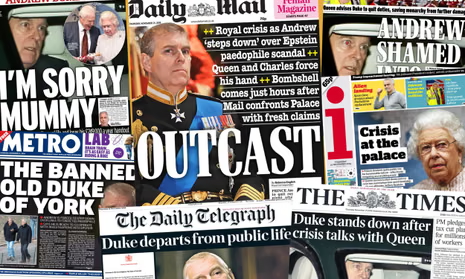
Media coverage has been extensive, with British tabloids running dramatic headlines about the “exile” of the Duke of York. The story has also attracted significant international attention, particularly in the United States where the Epstein scandal continues to resonate strongly.
Comparisons to Other Royal Scandals
The Andrew situation inevitably invites comparisons to other royal controversies, particularly the departure of Prince Harry and Meghan Markle from working royal life in 2020. However, key differences exist.
Harry and Meghan chose to step back voluntarily and have been financially independent, while Andrew has been forced out due to scandal and has been financially dependent on family support.
Royal historians note that there are few precedents for such a dramatic family intervention. The abdication crisis of 1936, when Edward VIII gave up the throne to marry American divorcée Wallis Simpson, remains the most significant royal family rupture in modern times. However, that was ultimately Edward’s choice, whereas Andrew is being removed against his will.
“What we’re witnessing is essentially an internal exile,” explained royal biographer Robert Jobson. “Andrew is being cast out of the royal fold in all but name. He retains his title as Duke of York by birthright, but everything else – the residence, the financial support, the vestiges of royal privilege – is being stripped away. It’s an extraordinary development.”
The Broader Context: Monarchy Under Scrutiny
Charles’s decisive action against Andrew comes at a time when monarchies across Europe are facing questions about their relevance and value in the 21st century. The British royal family has weathered numerous storms in recent decades, from Princess Diana’s death to Harry and Meghan’s allegations of racism and neglect, but the institution has survived by demonstrating an ability to adapt and reform.
By taking firm action against Andrew, Charles is attempting to show that the monarchy can hold its own members accountable and that privilege comes with responsibility. This aligns with his broader vision of a more transparent, streamlined, and socially conscious monarchy that earns public support through service rather than expecting it as a divine right.
The decision also reflects changing societal attitudes toward abuse and accountability, particularly in the wake of the #MeToo movement. The royal family cannot afford to be seen as protecting alleged abusers or enabling bad behavior, regardless of family ties.
What Happens Next for Prince Andrew?
The immediate future for Prince Andrew remains uncertain. Palace sources indicate that he will be relocated to more modest accommodations, most likely Frogmore Cottage, though the specifics have not been confirmed. The move is expected to happen within the next few months, though Andrew’s representatives have not commented publicly on the timeline.
Financially, Andrew will need to adjust to a dramatically reduced lifestyle. Without the substantial private funding he has received from the royal family and facing ongoing legal expenses, his financial situation may become increasingly precarious.
Some royal watchers have speculated that he may need to seek employment or find other sources of income, though his options are limited given his tarnished reputation.
Andrew’s public profile is likely to remain minimal. He is expected to make rare appearances at major family events, such as the funeral of close family members, but will not participate in any official royal functions. His complete removal from public life represents a remarkable fall for someone who once stood sixth in line to the throne and was considered one of the Queen’s favorite children.
Implications for the Monarchy’s Future
King Charles’s handling of the Andrew situation will likely serve as a template for how the monarchy deals with scandal and controversy going forward. By demonstrating that family members who bring the institution into disrepute will face genuine consequences, Charles is establishing clear boundaries and expectations for royal behavior.
This approach may prove crucial as the monarchy seeks to maintain public support in an era of heightened scrutiny and changing social values. Young people in particular have shown less deference to royal tradition and more willingness to question whether the monarchy deserves its privileged position in British society.
“Charles is trying to prove that the monarchy can be accountable and can police itself,” noted constitutional expert Professor Robert Hazell of University College London. “Whether this is enough to satisfy critics remains to be seen, but it’s certainly a stronger approach than we’ve seen in the past.”
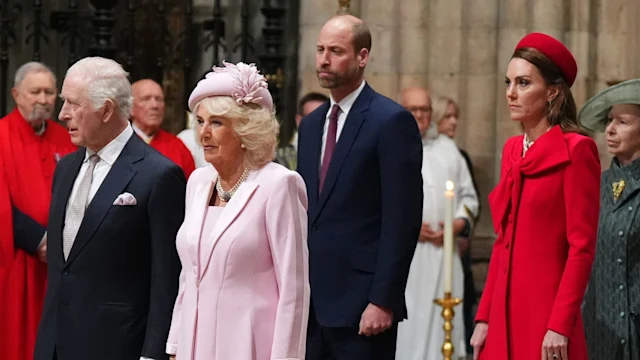
The slimmed-down monarchy that Charles envisions will focus on a core group of working royals: himself and Queen Camilla, Prince William and Catherine, and likely Princess Anne. This smaller group will be expected to uphold the highest standards of conduct and service, with clear consequences for those who fail to meet expectations.
Conclusion: A New Era of Royal Accountability
The decision by King Charles III to strip Prince Andrew of his remaining privileges and force him from Royal Lodge marks a watershed moment for the British monarchy. It demonstrates that even members of the immediate royal family are not immune from consequences when their actions bring the institution into disrepute.
For Andrew, the fall from grace is now complete. Once a working royal who traveled the world representing the Crown, he now faces a future of obscurity and diminished circumstances. The scandal surrounding his association with Jeffrey Epstein will forever define his legacy.
For King Charles, the decision represents both a personal and institutional challenge. Removing his own brother from the royal fold cannot have been easy, but the King has clearly concluded that protecting the monarchy’s future requires difficult choices and unwavering standards.
As the dust settles on this latest royal drama, one thing is clear: the British monarchy under King Charles III will be leaner, more accountable, and less tolerant of scandal than ever before. Whether this evolution is sufficient to ensure the institution’s survival in the 21st century remains to be seen, but Charles has signaled his determination to try.
The Andrew saga serves as a cautionary tale about the dangers of privilege without accountability and the ultimate price of associating with the wrong people. For a monarchy seeking to remain relevant in a rapidly changing world, the message is unmistakable: no one is above consequences, regardless of their bloodline.
Sources and References:
- BBC News Royal Coverage
- The Telegraph Royal Family Reports
- Palace Official Statements
- Royal Biographers’ Commentary
- Legal Settlement Documents (Public Records)
SEO Keywords: King Charles, Prince Andrew, Royal Lodge, Jeffrey Epstein scandal, British monarchy, Duke of York, royal titles stripped, Windsor Great Park, slimmed-down monarchy, royal family scandal