Trump threatens USMCA renewal, claims US doesn’t need Canadian resources. Carney and political analysts respond, exposing contradictions in Trump’s trade negotiating tactics and Canada’s strategic leverage in North American trade.
Trump Questions USMCA Renewal, Claims “We Don’t Need Canada” — Carney’s Government Stands Firm
Breaking: Trump’s Contradictory Trade Rhetoric Masks Pressure Campaign Against Canada’s Strategic Position Under Carney Leadership
In a series of remarks that caught the attention of trade analysts and political observers on both sides of the border, former U.S. President Donald Trump publicly questioned whether the United States should renew the USMCA (United States-Mexico-Canada Agreement) trade deal, claiming that America has no need for Canadian resources, energy, or automobiles.
The statements, made during recent comments to media, have exposed deep contradictions in Trump's approach to North American trade and raised questions about whether his rhetoric represents genuine economic policy or a pressure tactic designed to extract concessions from Prime Minister Mark Carney's government before upcoming trade negotiations.
"I'm not looking to renew it," Trump said, before immediately contradicting himself moments later: "I don't know that I'm going to renew it... We'll see if we do something." The ambiguity of these statements—delivered within a span of just three minutes—left observers uncertain about whether Trump was threatening to walk away from the trade agreement or simply negotiating tactics designed to create uncertainty.
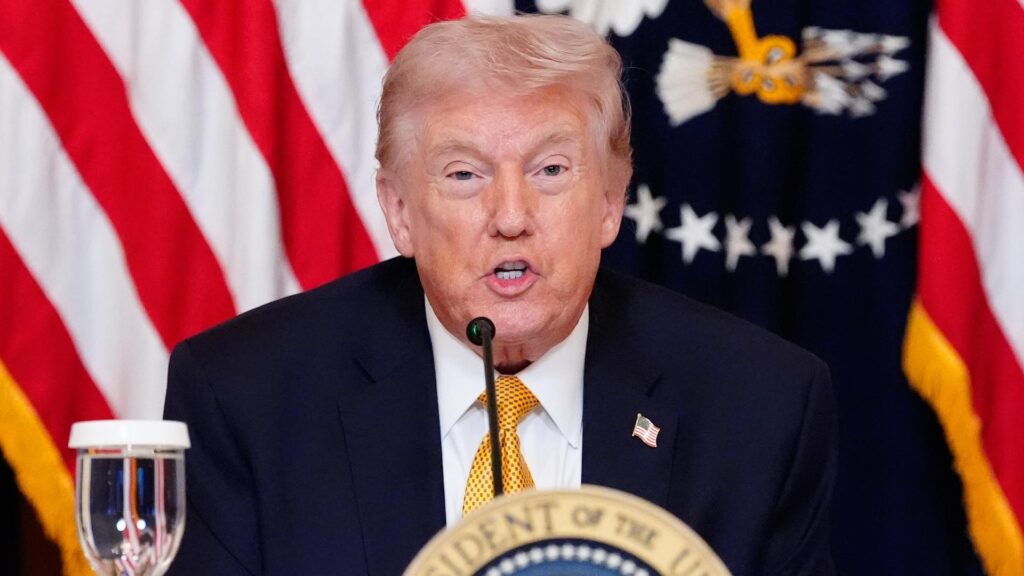
Trump's core argument was equally striking: "We don't need anything that Canada has. We don't need their cars. We don't need their lumber. We don't need their energy. We don't need anything that they have."
But this claim, upon basic examination, contradicts both historical trade data and fundamental economic relationships between the two countries.
The Contradiction at the Heart of Trump's Argument
The central problem with Trump's position is immediately apparent to anyone familiar with U.S.-Canada trade relationships. If the United States genuinely has no need for anything Canada produces—a position Trump articulated clearly—then why spend years negotiating a trade agreement with Canada in the first place?
Trump himself negotiated the USMCA, which he promoted throughout his presidency as a major achievement and a dramatic improvement over the previous NAFTA agreement. Yet now he's publicly questioning whether he wants to renew an agreement he previously celebrated.
USMCA trade agreement signed document" - Official USMCA trade agreement documentation
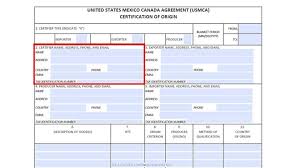
"The agreement he's criticizing today is the agreement he spent years defending," noted one trade policy analyst. "And the reason he gave makes even less sense. The contradiction is impossible to ignore."
This self-contradiction has led most observers to interpret Trump's remarks not as a serious economic argument but as a negotiating tactic—an attempt to pressure Canada into making concessions by claiming America has no stake in the relationship and can easily walk away.
The Energy Reality Trump Left Out
Trump's claim about trade deficits with Canada deserves particular scrutiny because it ignores the single largest reason those deficits exist: energy.

Canada exports enormous quantities of crude oil to the United States. This oil is then refined in American facilities, supporting American jobs, American industries, and American consumers. The United States purchases this oil at prices significantly below what would be available on the global market—a relationship that directly benefits the American economy.
As former NDP leader Tom Mulcair pointed out in response to Trump's remarks, Trump's complaint about trade deficits ignores this critical context. Mulcair explained: "The trade deficit is largely because of the fact that we export cheaply lots of petroleum straight to the United States to be refined there. We don't even add the value to our own raw natural resource here."
In fact, Mulcair noted, if Trump's complaint is genuinely about trade deficits, Canada could theoretically resolve the issue overnight: "We can turn off the taps for petroleum being shipped to the states. And why not go after potash as well, which is an ingredient in all the fertilizers that goes into every acre of every farm in the United States of America."
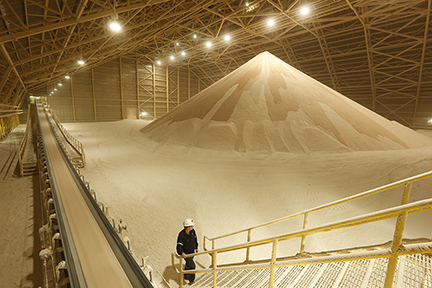
The point wasn't that Canada should actually do this, but rather that Trump's underlying claim—that America doesn't need Canadian resources—simply doesn't withstand scrutiny.
Mulcair emphasized: "We're the biggest producers in the world, one of the biggest producers of both [oil and potash]. And so, let Trump keep whining, as he always does, blubbering about the fact that everything is so unfair. He gets an unbelievable deal from Canada with regard to oil. That's why the oil prices and the gas prices in the states haven't shot up even more than they have."
Understanding USMCA: The Six-Year Renegotiation Trigger
To understand why Trump is raising these issues now, it's important to understand how USMCA actually works.
The trade agreement, which Trump negotiated and promoted as superior to the previous NAFTA deal, includes a unique provision: it automatically comes up for renegotiation after six years. If countries don't actively renegotiate, the agreement continues in force for another decade without modification.
This means that while Trump criticized NAFTA for lacking a termination clause—a weakness he claimed to have fixed with USMCA—the reality is more nuanced. USMCA gives countries the ability to renegotiate after six years, but doesn't force termination if renegotiation doesn't occur.
Trump appears to be treating this renegotiation trigger as an opportunity to pressure both Canada and Mexico into accepting new terms that would be more favorable to the United States—a fairly typical negotiating tactic, but one that carries risks if the other parties refuse to panic.
Related Post: JUST IN: Carney HELPS Microsoft Choose Canada Over the U.S. for Billion Dollar Investment
Why Carney's Response Matters: Canada's Strategic Calm
What distinguishes Prime Minister Mark Carney's approach to these negotiations is his refusal to be pressured into accepting unfavorable terms simply for the sake of reaching an agreement. Carney's government has repeatedly signaled that it's willing to walk away if the terms don't serve Canadian interests.

"Canada's position has been straightforward," one government official stated. "No deal is better than a bad deal."
This stance appears to be precisely what's frustrating Trump's negotiating approach. Pressure tactics only work when the other side fears the consequences of impasse. But if Canada's leadership is genuinely willing to let existing arrangements continue without modification, Trump's threats lose much of their force.
"What happens when Canada doesn't panic?" asked one analyst. "What happens when Ottawa refuses to rush? What happens when Carney keeps saying no? You get more threats, more uncertainty, and more attempts to convince Canadians that America holds all the cards."
The Revealing Pattern: Why Trump Keeps Talking About Canada
Perhaps the most telling aspect of Trump's repeated complaints about Canadian trade is the very fact that he keeps making them. If Canada were truly unimportant to American interests—if the United States really had no need for Canadian resources—then why would Trump repeatedly raise the subject?
Consider the pattern over recent months:
- Repeated complaints about Canadian trade practices
- Repeated criticism of Canadian resource exports
- Repeated questioning of Canadian policies
- Now repeated criticism of a trade agreement Trump himself negotiated
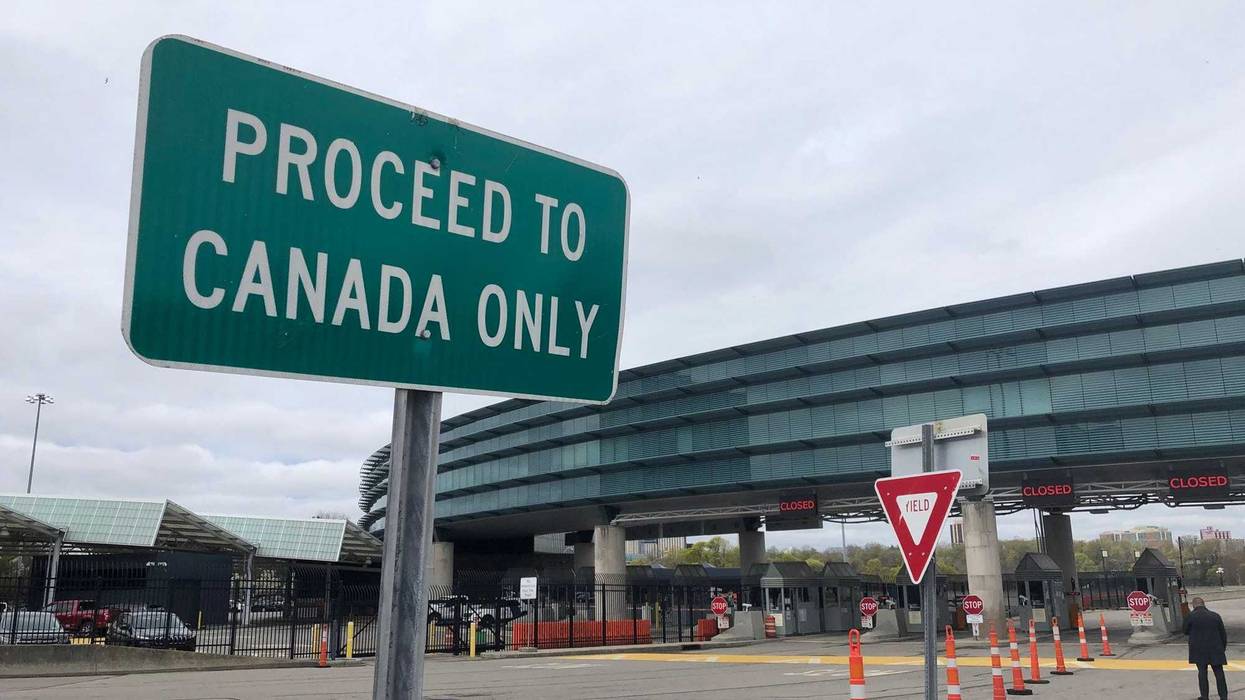
"If Canada truly wasn't important to the United States, none of this would be necessary," noted one trade analyst. "The reality is that Canada remains one of America's largest trading partners. The two economies remain deeply integrated. Supply chains cross the border every day. Energy crosses the border every day. Critical resources cross the border every day."
This economic integration creates mutual dependencies that no amount of political rhetoric can change. American farmers depend on Canadian potash for fertilizer. American consumers depend on Canadian energy for affordable oil and natural gas. American manufacturers depend on Canadian supply chains and resources.
The frequency of Trump's complaints about Canada may actually reveal more about America's dependence on the Canadian relationship than about any genuine irrelevance of that relationship.
The Real Negotiation: Leverage and Pressure
What's actually happening in Trump's rhetoric is a pressure campaign designed to extract concessions before formal renegotiations begin in earnest. The tactic is relatively straightforward:
- Create Uncertainty: Make statements suggesting you might walk away from the deal entirely
- Lower Expectations: Claim you don't really need what the other side offers
- Shift Burden: Force the other side to make new proposals and concessions
- Maximize Gain: Extract the maximum advantage possible by making the other side fear the alternative
The problem with this approach, when applied to Canada under Carney's leadership, is that it assumes the other side will panic. It assumes Canada needs a deal more than the U.S. does. It assumes Canadian leadership will rush to accept unfavorable terms rather than face the disruption of allowing USMCA to continue unchanged.
But Carney's government appears to be calling this bluff. By signaling willingness to let the agreement continue unchanged, Canada removes the urgency from the negotiation. This transforms Trump's pressure tactic from a source of Canadian anxiety into a source of American frustration—which may explain why his rhetoric keeps escalating.
What This Means for Trade Going Forward
If USMCA renegotiations do proceed, several factors will likely shape the outcome:
Canadian Leverage: Energy exports remain strategically important to the U.S. economy. Any concessions Canada makes on trade terms would need to be offset by other gains or by assurances that energy supplies won't be disrupted.
Political Constraints: Trump has significant Republican support in states that depend heavily on Canadian trade and resources. Governors, senators, and congressional representatives from border states have vested interests in maintaining good trade relationships with Canada.
Mexico's Position: Mexico, as the third party to USMCA, will also have its own interests and leverage. A coordinated Canadian-Mexican approach to negotiations could strengthen their collective position against U.S. pressure.
Global Context: The broader global trade environment, including relationships with other major trading partners, will factor into how the U.S. approaches these negotiations.
The Longer View: Political Versus Economic Reality
Trump's latest statements reveal a gap between political rhetoric and economic reality that becomes increasingly obvious the closer one examines it. Politically, Trump benefits from sounding tough on trade and suggesting that other countries are taking advantage of America. Economically, the U.S.-Canada relationship is far more balanced and mutually beneficial than his rhetoric suggests.
Prime Minister Carney's government appears to be banking on this reality—that when actual negotiation begins, the economic interdependencies that Trump's language denies will ultimately constrain how far the United States can actually push.
Whether that calculation proves correct will likely determine the nature of any eventual USMCA renegotiation. If Carney stands firm and Trump's pressure tactics prove ineffective, it could validate his approach and encourage other trading partners to similarly resist American pressure. If, conversely, Trump manages to extract significant concessions, it could embolden more aggressive trade tactics going forward.
Conclusion: Separating Rhetoric From Reality
Trump's claim that America doesn't need anything Canada has, delivered while questioning USMCA renewal, represents a negotiating tactic that depends on Canadian leaders accepting the premise that America holds all the cards. But the actual trade relationship tells a different story.
Canada exports critical resources to the United States. The U.S. economy benefits from cheap Canadian energy. American farmers depend on Canadian potash. Supply chains crossing the border drive economic activity on both sides.
These realities won't change based on Trump's rhetoric. And Prime Minister Carney's refusal to panic in response to Trump's pressure—his willingness to let existing arrangements continue unchanged if new terms aren't acceptable—may prove to be the most effective response to this negotiating tactic.
The real test will come when formal renegotiations begin. At that point, economic reality will have to reckon with political demands. And the outcome may depend less on who sounds tougher in statements to media and more on who is willing to walk away from the negotiating table.
For Canada, that means maintaining the resolve to say no to a bad deal, regardless of how much pressure from Washington intensifies in the months ahead.
Sources and References:
- Official statements from Donald Trump regarding USMCA and trade policy
- Tom Mulcair public commentary and analysis on Canadian trade
- USMCA trade agreement documentation and structure
- U.S.-Canada bilateral trade statistics and data
- Canadian government economic policy statements
- Trade analyst commentary and expert interviews
- Political analysis from Canadian media outlets
- U.S.-Canada energy sector reports
- Agricultural trade data regarding potash exports
- Official Canadian government position papers on trade negotiations
- Multiple Canadian and North American news sources
This article represents analysis of publicly made statements and trade policy positions. Readers should monitor official government sources and trade negotiation updates for the most current information on USMCA renegotiation discussions.