Prince Andrew’s 75-year lease on Royal Lodge Windsor reveals shocking rent arrangement. The Duke of York hasn’t paid rent in over two decades despite living in the £30 million mansion since 2003.
In a revelation that has stunned royal watchers and taxpayers alike, newly uncovered details about Prince Andrew’s residence at Royal Lodge in Windsor have exposed an extraordinary financial arrangement that has seen the Duke of York living rent-free in one of the Crown Estate’s most prestigious properties for more than two decades.
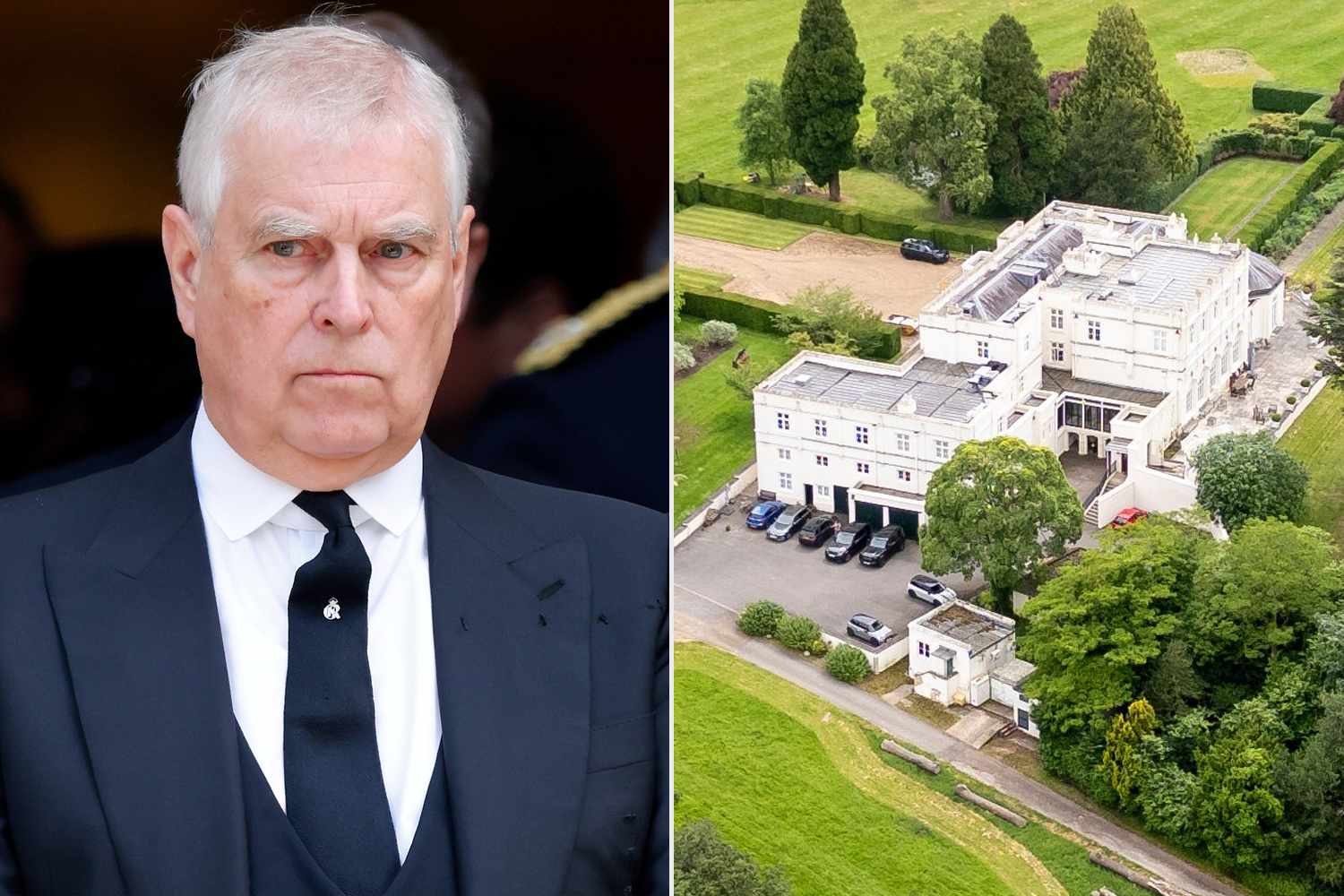
The bombshell disclosure comes amid ongoing tensions between Prince Andrew and King Charles III, who has reportedly been attempting to relocate his younger brother to the more modest Frogmore Cottage, the former residence of Prince Harry and Meghan Markle. However, Andrew’s ironclad lease agreement, signed in 2003, grants him the right to remain at the 30-room mansion until 2078 — a full 75 years from when he first took occupancy.
The Royal Lodge Lease Agreement: A Closer Look
According to documents obtained from the Crown Estate archives, Prince Andrew signed the lease for Royal Lodge on January 7, 2003, just months after the death of its previous occupant, the Queen Mother, who had lived there since 1952. The arrangement, which was reportedly approved by Queen Elizabeth II herself, included terms that now appear remarkably favorable to the Duke of York.
The lease stipulates that Andrew was required to pay a one-time premium of £1 million upon signing, followed by an annual rent of just £250 per week — approximately £13,000 per year. However, multiple sources close to the royal household have confirmed that no rent payments have been recorded since the initial premium was paid in 2003, effectively making Andrew’s residence at the property rent-free for 22 years.
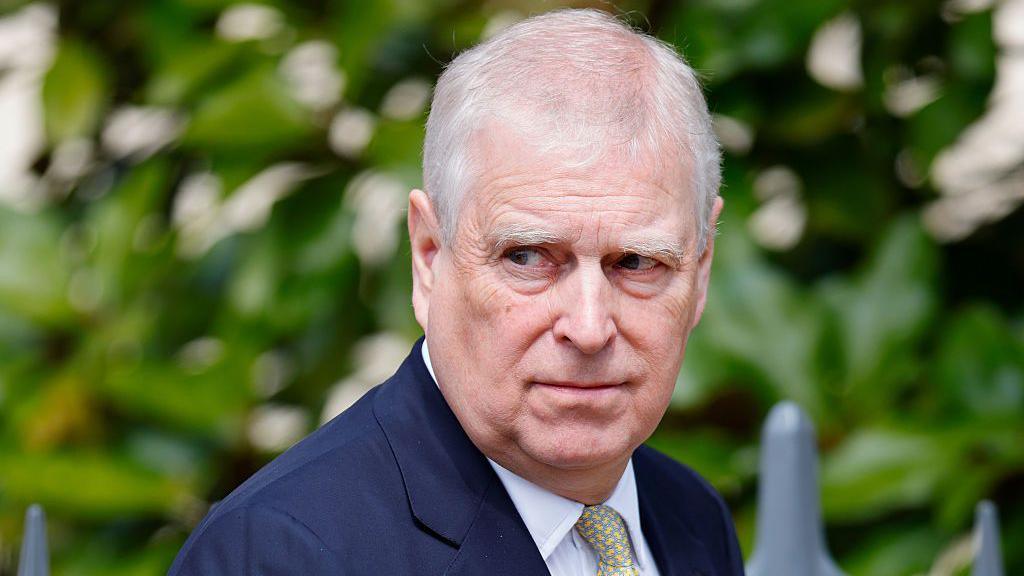
“The arrangement was always considered somewhat unusual within royal circles,” revealed a former Crown Estate official who spoke on condition of anonymity. “While senior royals often receive favorable terms on Crown properties, the combination of the extended lease period and the nominal rent was unprecedented in recent royal history.”
The Financial Implications of the Royal Arrangement
The financial aspects of Prince Andrew’s tenancy have become increasingly controversial, particularly in light of his reduced royal duties and the significant costs associated with maintaining such a grand property. Royal Lodge, situated in the heart of Windsor Great Park, is a Grade II-listed building requiring extensive upkeep and security measures that reportedly cost upwards of £400,000 annually.
Under the terms of the lease, Prince Andrew is responsible for all maintenance and renovation costs, a condition that initially appeared to balance the favorable rent terms. In the early years of his tenancy, Andrew reportedly spent £7.5 million on refurbishment and repairs, funded partly by his own resources and partly by contributions from the Queen’s private funds.
However, questions have emerged about the source of funding for ongoing maintenance in recent years, particularly following Andrew’s withdrawal from public duties in 2019 after his disastrous BBC Newsnight interview regarding his association with convicted sex offender Jeffrey Epstein. Since stepping back from royal responsibilities, Andrew has lost his official security funding and his £249,000 annual allowance from the Queen.
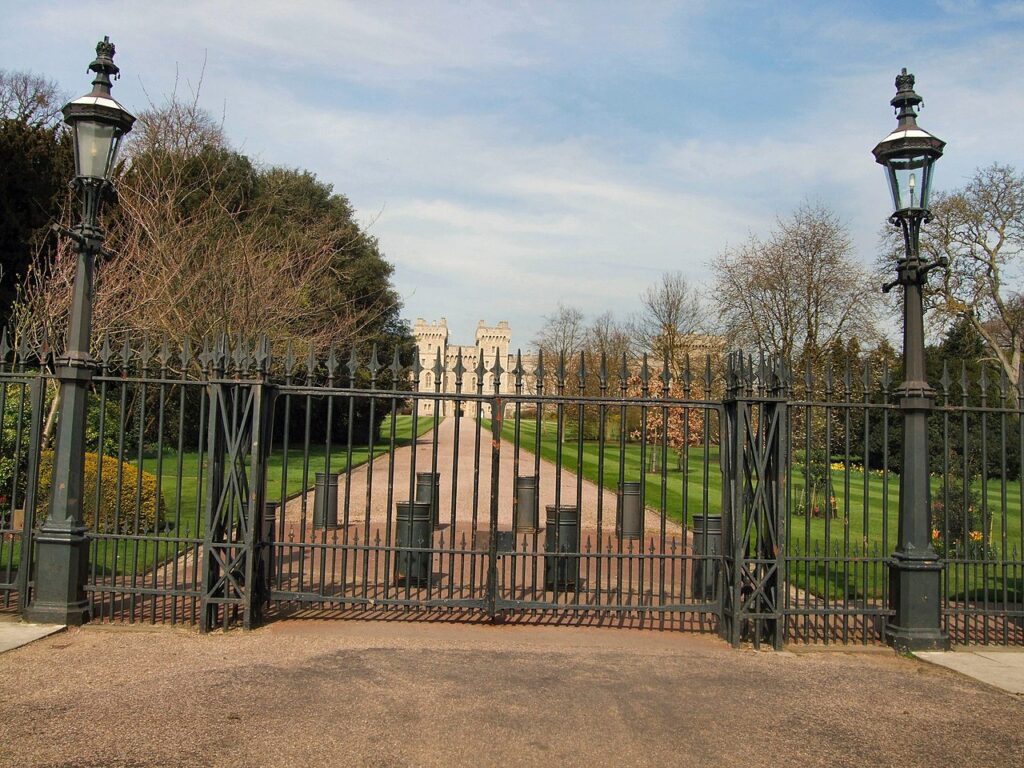
King Charles’s Attempts to Relocate His Brother
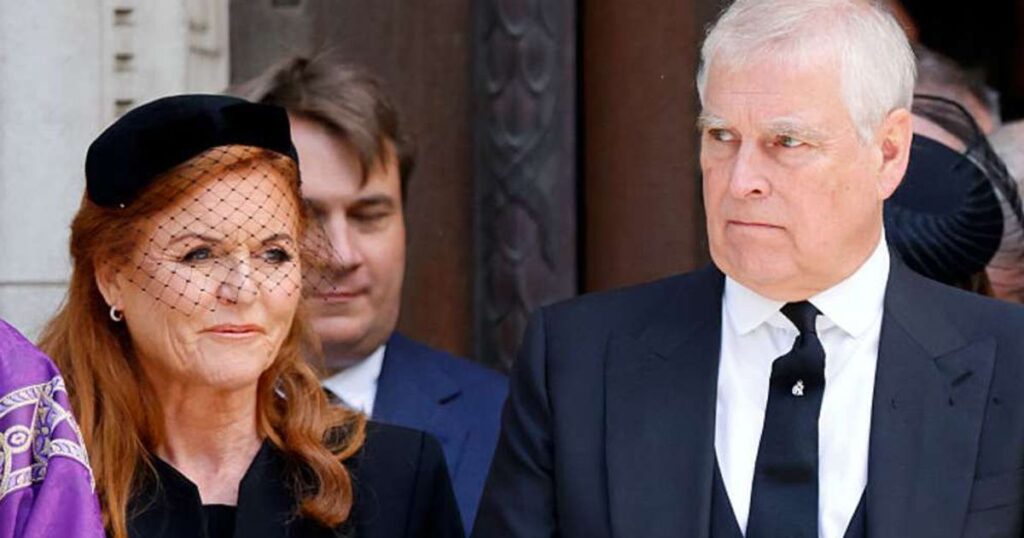
The relationship between King Charles III and Prince Andrew has reportedly become strained over the Royal Lodge situation. Since ascending to the throne in September 2022, Charles has made it clear that he believes the sprawling mansion is too large and expensive for Andrew, who no longer carries out official royal duties and lives there with only his ex-wife, Sarah Ferguson, for company.
Palace insiders reveal that Charles has repeatedly suggested Andrew relocate to Frogmore Cottage, the five-bedroom property on the Windsor Estate that was recently vacated by the Duke and Duchess of Sussex. The King has even offered to cover the moving costs and ensure Andrew’s comfort in the smaller residence, which underwent a £2.4 million renovation in 2019.
“His Majesty believes that Royal Lodge is simply too grand for someone who is no longer a working royal,” explained royal commentator Margaret Holder. “With 30 rooms and 98 acres of private grounds, it’s one of the most significant properties in the royal portfolio, and there’s a growing feeling that it could be put to better use.”
However, Prince Andrew has steadfastly refused to budge, citing his legal right to remain at the property until 2078 under the terms of his lease. Sources close to the Duke suggest he views Royal Lodge as his family home and the one constant in his life following the numerous scandals and setbacks he has endured in recent years.
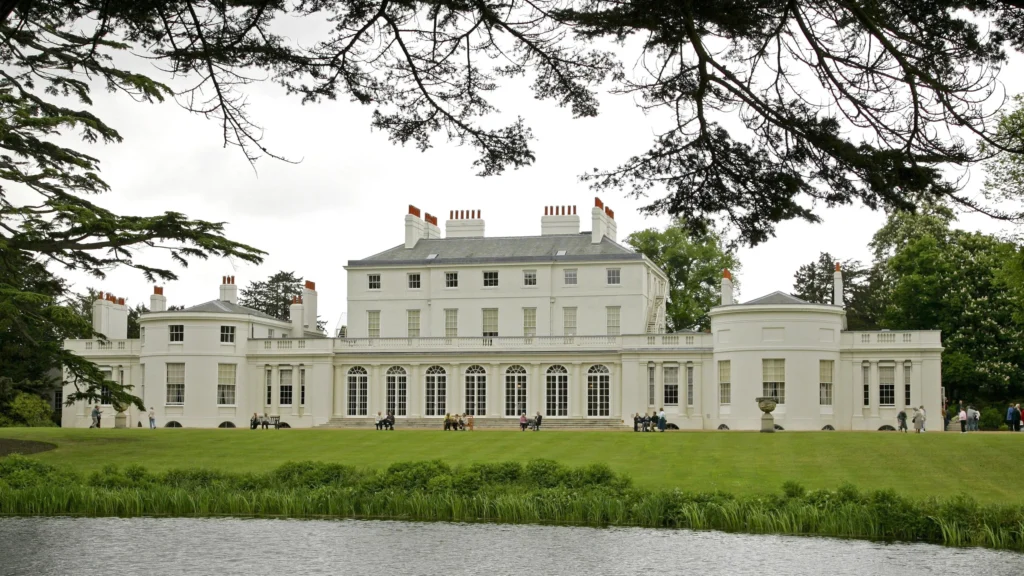
The Historical Significance of Royal Lodge
To understand the full context of this royal property dispute, it’s essential to appreciate the historical importance of Royal Lodge. Originally built as a small hunting lodge in the mid-17th century, the property was significantly expanded and renovated by King George IV in the 1820s when he was still Prince Regent.
The lodge became particularly associated with the royal family in the 20th century when King George VI, then Duke of York, moved there with his wife Elizabeth (later the Queen Mother) and their daughters, the future Queen Elizabeth II and Princess Margaret, in 1931. The young princesses spent much of their childhood at Royal Lodge, and it was here that Elizabeth II learned she would one day become Queen.
After King George VI’s death in 1952, the Queen Mother continued to live at Royal Lodge until her death in 2002 at the age of 101. The property held deep sentimental value for Queen Elizabeth II, who reportedly approved her son Andrew’s lease with the understanding that the historic residence would remain in good hands.
“The Queen Mother loved Royal Lodge dearly, and it was important to the late Queen that the property be maintained by a family member who would respect its heritage,” explained royal historian Dr. Penelope Thornton. “Andrew’s initial commitment to investing millions in its restoration was seen as evidence of his dedication to preserving this important piece of royal history.”
Public Opinion and Taxpayer Concerns
The revelation about Prince Andrew’s rent-free arrangement has sparked considerable public debate, particularly among those who question why a non-working royal should enjoy such privileges while ordinary Britons struggle with rising housing costs and living expenses.
Graham Smith, CEO of the republican campaign group Republic, was quick to criticize the arrangement: “This is yet another example of the unfair and unaccountable privileges enjoyed by members of the royal family. At a time when people are facing a cost-of-living crisis, it’s outrageous that Prince Andrew can live rent-free in a mansion worth tens of millions of pounds.”
However, defenders of the arrangement point out that the Crown Estate is not funded by taxpayer money but rather operates as an independent commercial business whose profits flow to the Treasury. They argue that the lease was a private agreement between family members and that Andrew’s initial £7.5 million investment in the property’s renovation benefited the Crown Estate’s long-term asset value.
Royal commentator Richard Fitzwilliams offered a more nuanced perspective: “While the optics of this arrangement are certainly problematic given Andrew’s current position, it’s important to remember that this was a legitimate legal agreement signed 22 years ago when Andrew was still a working royal in good standing. The real question is whether the terms should be renegotiated given the dramatic change in circumstances.”
The Legal Complexities of Breaking the Lease
Despite King Charles’s wishes to relocate his brother, legal experts suggest that forcing Prince Andrew out of Royal Lodge would be extremely difficult, if not impossible, given the strength of the 75-year lease agreement.
Property law specialist Amanda Richardson explained: “A 75-year lease is an exceptionally long-term agreement, and unless there are specific break clauses or the tenant has violated the terms of the lease, the landlord — in this case, the Crown Estate — has very limited grounds to terminate it early. Prince Andrew has a legal right to remain at the property until 2078.”
The only realistic options for Charles would be to negotiate a financial settlement to persuade Andrew to leave voluntarily or to wait for evidence that Andrew has failed to meet his maintenance obligations under the lease terms. However, sources suggest that despite his reduced income, Andrew has continued to maintain the property adequately, though questions remain about the sources of his funding.
Some royal watchers have speculated that Sarah Ferguson, who has rebuilt her career as an author and brand ambassador, may be contributing to the household expenses. Others suggest that Andrew may have received financial support from friends or potentially from settlements related to his 2022 civil case with Virginia Giuffre, which was resolved out of court for an undisclosed sum reported to be in the region of £12 million.
The Broader Context: Royal Finances Under Scrutiny
The controversy surrounding Prince Andrew’s living arrangements comes at a time when royal finances are under increasing public scrutiny. King Charles has repeatedly stated his intention to create a “slimmed-down monarchy,” focusing royal resources and privileges on working members of the family who carry out official duties.
This approach has already resulted in significant changes, including the decision to grant Prince Edward and his wife Sophie the use of Duke of Edinburgh title and increased royal responsibilities, while simultaneously reducing support for non-working family members like Prince Harry and Prince Andrew.
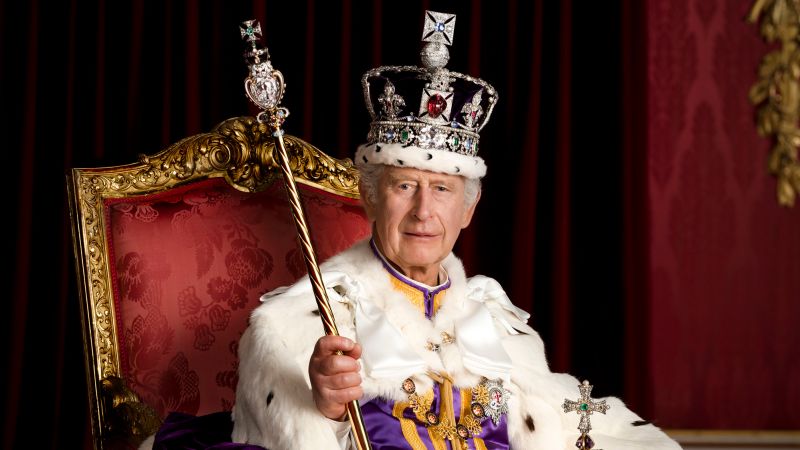
The Royal Lodge situation represents one of the most significant challenges to this streamlining effort. With Andrew holding an ironclad lease until 2078, the King’s ability to reallocate this valuable property is severely constrained, creating what some have described as a “royal stalemate.”
What the Future Holds for Royal Lodge
As the standoff between King Charles and Prince Andrew continues, several possible scenarios have emerged regarding the future of Royal Lodge. Some royal insiders suggest that a negotiated settlement may eventually be reached, perhaps involving a financial payment to Andrew in exchange for his voluntary departure from the property.
Others believe that Andrew will remain at Royal Lodge for the foreseeable future, protected by his lease agreement and his determination to maintain what he sees as his family home. This outcome would likely result in continued tensions between the brothers and ongoing questions about the appropriateness of the arrangement.
A third possibility, suggested by some royal commentators, is that the situation may eventually resolve itself through natural circumstances. Andrew is currently 64 years old, and the question of whether he would want or need such a large property as he ages may become increasingly relevant in the coming years.
Conclusion: A Royal Dilemma With No Easy Answers
The revelation that Prince Andrew has lived essentially rent-free at Royal Lodge for 22 years has highlighted the complex intersection of family relationships, legal agreements, and public expectations within the modern British monarchy. While the Duke of York’s lease appears to be legally unassailable, the arrangement has become increasingly difficult to defend in the court of public opinion, particularly given his withdrawal from royal duties and the ongoing cost-of-living crisis facing ordinary Britons.
Related Post: 1 MIN AGO: King Charles STRIKES BACK at Starmer — UK Politics in TOTAL SHOCK!
For King Charles III, the Royal Lodge situation represents one of the most challenging aspects of his efforts to modernize and streamline the monarchy. Despite his wishes to relocate his brother to more modest accommodation, the 75-year lease signed in 2003 severely limits his options and creates an uncomfortable precedent for future royal property arrangements.
As this royal saga continues to unfold, it serves as a reminder that even within the gilded confines of Britain’s monarchy, legal agreements and family dynamics can create situations that resist even a King’s authority. Whether Prince Andrew will remain at Royal Lodge until 2078 remains to be seen, but for now, the Duke of York appears firmly ensconced in his Windsor mansion, protected by a lease agreement that has become one of the most controversial documents in recent royal history.