UK Supreme Court rules ‘woman’ means biological sex in landmark April 2025 judgment. PM Keir Starmer welcomes clarity after years of controversy. Full analysis of implications for transgender rights and single-sex spaces.
Prime Minister breaks silence on landmark judgment that will reshape UK equality law and access to single-sex spaces
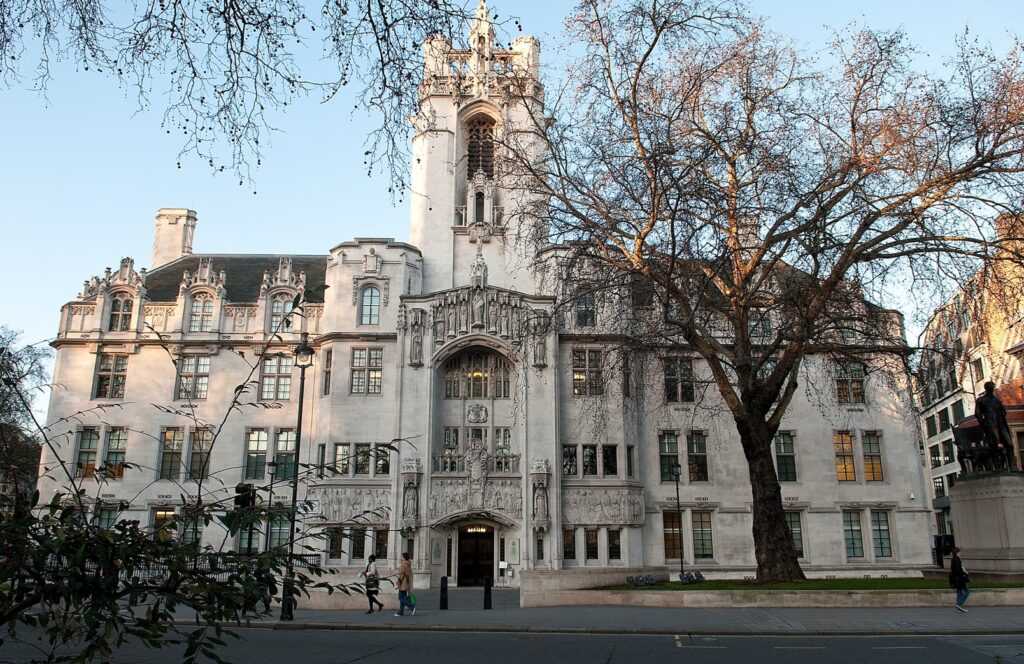
In a landmark decision that will reverberate across British society for years to come, the UK Supreme Court has ruled that the terms “woman” and “sex” in the Equality Act 2010 refer exclusively to biological sex, not gender identity. The unanimous judgment, delivered on April 16, 2025, marks a watershed moment in the contentious debate over transgender rights and women’s spaces.
Prime Minister Sir Keir Starmer, after nearly a week of conspicuous silence, finally welcomed the ruling on April 22, calling it a source of “much-needed clarity” that would help organizations implement consistent policies across the country. His response, however, has sparked criticism from both supporters and opponents, given his previous statements on transgender issues.
The Supreme Court’s Unanimous Decision
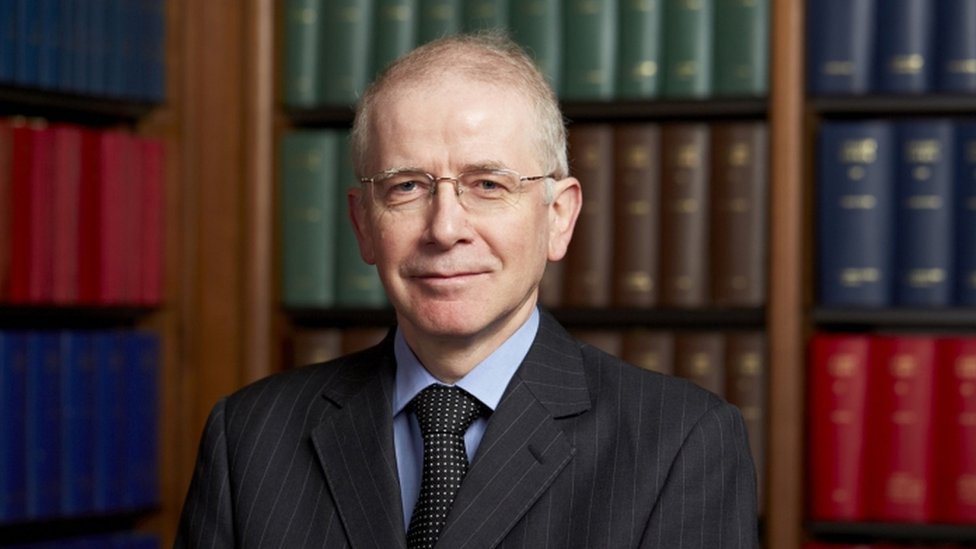
The five-judge panel, led by Deputy President Justice Patrick Hodge, ruled definitively that biological sex—determined at birth—forms the basis for sex-based protections under the Equality Act 2010. This means that transgender women, even those holding a Gender Recognition Certificate (GRC), cannot be legally classified as women for the purposes of equality legislation.
“The unanimous decision of this court is that the terms ‘woman’ and ‘sex’ in the Equality Act refer to a biological woman and biological sex,” Justice Hodge declared from the bench. However, he cautioned observers against viewing the ruling “as a triumph of one or more groups in our society at the expense of another.”
The case, formally known as For Women Scotland Ltd v The Scottish Ministers, originated from a challenge to Scottish Government guidance accompanying the Gender Representation on Public Boards (Scotland) Act 2018. The Scottish Government had interpreted “woman” to include transgender women with GRCs when calculating the 50 percent female representation target for public boards.
For Women Scotland, a gender-critical advocacy group backed by prominent figures including author J.K. Rowling, who reportedly donated £70,000 to their legal campaign, argued that this interpretation was legally incorrect and undermined sex-based rights.
Far-Reaching Implications for Public Life
Legal experts agree that this ruling will have profound implications across multiple sectors of British society. The judgment provides legal certainty that single-sex spaces and services—including hospital wards, domestic violence refuges, changing rooms, toilets, prisons, and competitive sports—can lawfully exclude transgender individuals based on biological sex.
Dr. Shamim Quadir, a legal expert from City St George’s, University of London, explained that prior to the ruling, there were “contested views” about transgender access to single-sex spaces. “The ruling clarifies that a trans woman who has a GRC and is recognised legally in her acquired gender can be excluded from single-sex spaces on the ground of biological sex,” Dr. Quadir noted.
British Transport Police moved swiftly to implement the ruling, confirming that strip searches of those arrested would be conducted based on biological sex. The Equality and Human Rights Commission (EHRC) released interim guidance on April 25, 2025, urging employers and service providers to update their policies accordingly.
Public sector organizations, educational institutions, employers, and service providers must now ensure their policies align with the legal definition of sex as biological. This includes admissions policies for single-sex schools, workplace facilities, sports competitions, and public board appointments.
Starmer’s Delayed Response Sparks Backlash
Prime Minister Keir Starmer’s response to the ruling came after six days of silence, during which pressure mounted from both women’s rights campaigners and Conservative opposition politicians. When he finally addressed the judgment during interviews with ITV West Country and the BBC on April 22, Starmer stated unequivocally: “A woman is an adult female, and the court has made that absolutely clear.”

“I actually welcome the judgment because I think it gives real clarity,” Starmer told ITV News. “It allows those that have got to draw up guidance to be really clear about what that guidance should say. So I think it’s important that we see the judgment for what it is: a welcome step forward.”
When directly asked whether he still believed “trans women are women,” the Prime Minister responded: “I think the Supreme Court has answered that question.” His official spokesman later confirmed that the answer was “no,” marking a significant shift from Starmer’s previous public positions.
This apparent reversal has not escaped scrutiny. In 2020, shortly after winning the Labour leadership, Starmer posted on Facebook that “the Labour party stands proudly with the trans community.” A year later, he proclaimed Labour’s commitment to “updating the GRA to introduce self-declaration for trans people.”
Most controversially, in 2021, Starmer slapped down his own colleague, former Labour MP Rosie Duffield, for saying “only women have cervixes,” telling the BBC’s Andrew Marr Show that such statements were “not right.” In 2022, he went further, declaring it was “actually the law” that “trans women are women.”
Conservative shadow home secretary Chris Philp seized on Starmer’s inconsistency, telling Sky News: “Keir Starmer has been all over the place on this. So Keir Starmer should apologise to the country for what he said a few years ago. He should particularly apologise to Rosie Duffield for driving her out of the Labour Party on this issue.”
Rosie Duffield, who eventually left the Labour Party citing the hostile environment over her gender-critical views, has not publicly commented on Starmer’s apparent U-turn, though women’s rights campaigners including J.K. Rowling noted the Prime Minister’s delayed response with evident frustration.
Celebrating Victory and Voices of Concern
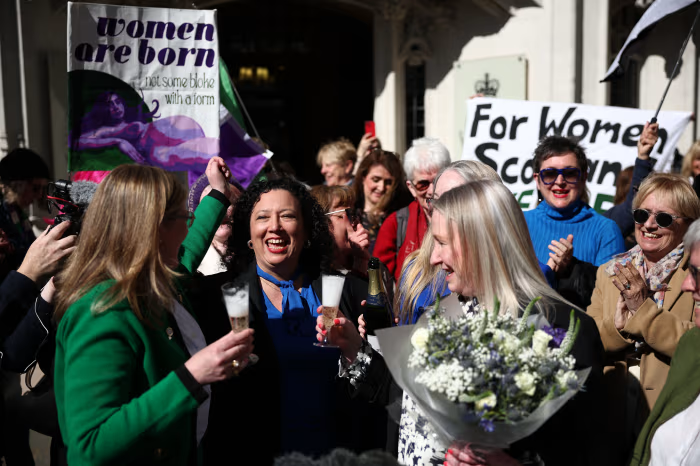
Outside the Supreme Court following the judgment, supporters of For Women Scotland celebrated emotionally, chanting “Women’s rights are human rights” and popping bottles of wine. Susan Smith, who co-directs the organization, told reporters: “Everyone knows what sex is and you can’t change it. It’s common sense, basic common sense, and the fact that we have been down a rabbit hole where people have tried to deny science and to deny reality, and hopefully this will now see us back to reality.”
Sex Matters, another gender-critical charity that successfully intervened in the case, received particular praise from the Supreme Court. The judgment specifically thanked their barrister Ben Cooper KC for submissions that “gave focus and structure to the argument that ‘sex’, ‘man’ and ‘woman’ should be given a biological meaning.”
Marion Calder from Sex Matters described Starmer’s eventual comments as “an important intervention from the prime minister” given the “huge number of public bodies failing to implement the Supreme Court judgement.”
However, transgender rights organizations expressed deep concern about the ruling’s implications. A consortium of LGBTQ+ groups, including the prominent organization Stonewall, issued a statement saying: “Today is a challenging day, and we are deeply concerned at the widespread, harmful implications of today’s Supreme Court ruling.”
Victoria McCloud, the UK’s first transgender judge, characterized the ruling as occurring during “a scary time” for trans people. She has since launched a legal challenge against the UK in the European Court of Human Rights, arguing that the Supreme Court refused to hear from transgender individuals or groups before reaching its decision.
Trans rights campaigner Jude Guaitamacchi told ITV News they “don’t understand how Keir Starmer could make such a statement,” adding: “People’s existence shouldn’t be up for debate, just like we don’t debate race or disability. Why are we debating whether trans people should exist or not?”
Following the Supreme Court’s ruling, protests erupted across the country, with statues dedicated to suffragette Millicent Fawcett and former Prime Minister Benjamin Disraeli being vandalized by activists opposed to the judgment.
Internal Labour Divisions Surface
The ruling has exposed significant divisions within the Labour Party itself. Leaked WhatsApp messages revealed that some Labour MPs, including Culture Minister Sir Chris Bryant and Home Office Minister Dame Angela Eagle, were discussing how to respond to the judgment, with Dame Eagle writing: “We need to organise.”
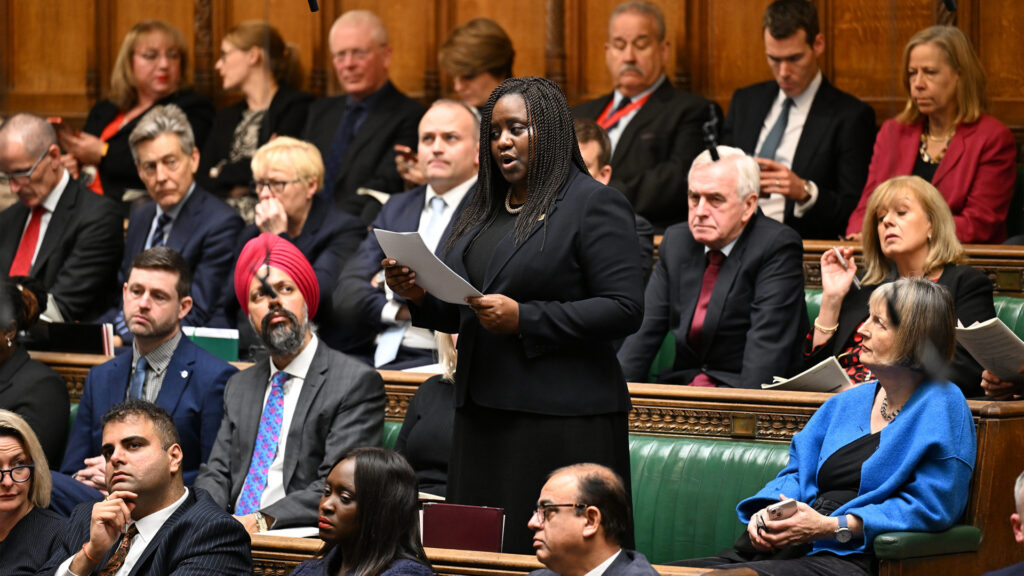
Despite this apparent internal dissent, Downing Street confirmed that Starmer would not take disciplinary action against the ministers, arguing they were not trying to undermine the ruling but rather discussing its implementation.
Education Secretary and Equalities Minister Bridget Phillipson faced questions about the practical implications of the ruling. When asked by the BBC’s Today programme which facilities transgender people should use, she stated definitively: “That would be on the basis of biological sex, that would apply right across the board to all single-sex provision.”
Phillipson, who previously ran a women’s refuge before entering Parliament, said she was “glad that’s been cleared up” because “providers can now operate with absolute confidence in delivering single-sex spaces for biological women.”
This represents a notable shift from her position in June 2024, when she would only say that “common sense solutions” were needed and people had to be “practical” when discussing single-sex spaces.
What the Ruling Means in Practice
The Supreme Court’s judgment has immediate practical implications for millions of people across the United Kingdom. Organizations must now review and potentially revise their policies to ensure compliance with the legal definition of sex as biological.
For employers, this means that workplace facilities designated as single-sex must be based on biological sex. However, the EHRC guidance emphasizes that where possible, mixed-sex or gender-neutral facilities should be provided in addition to single-sex facilities to ensure transgender employees are not left without appropriate accommodations.
Educational institutions must ensure that admissions policies for single-sex schools, as well as access to facilities such as changing rooms and dormitories, are aligned with biological sex. Students who are transgender may require suitable alternative provisions, including access to mixed-sex facilities.
In healthcare settings, the ruling clarifies that hospital wards and medical services can operate on a sex-segregated basis using biological sex as the criterion. This addresses previous controversies, including a case where an NHS hospital initially denied that a rape could have occurred on a women’s ward because the assailant was recorded as a transgender woman.
Sports organizations, which have been grappling with questions about fairness and safety in women’s competitions, now have legal clarity that they can restrict participation based on biological sex. The Football Association, Financial Conduct Authority, and England and Wales Cricket Board have already moved to implement policies excluding transgender women from women’s competitions.
Ongoing Debates and Future Challenges
Despite the Supreme Court’s definitive ruling on the Equality Act, the broader debate over transgender rights and gender identity is far from settled. The judgment explicitly noted that it was interpreting existing law, not creating new policy, and that Parliament retains the authority to change the law if it chooses.
The Gender Recognition Act 2004, which allows individuals to obtain a GRC and have their acquired gender legally recognized for most purposes, remains in effect. However, the Supreme Court ruling has clarified that a GRC does not change a person’s sex for the purposes of the Equality Act.
International human rights organizations have raised concerns about the ruling. In June 2025, the Lemkin Institute for Genocide Prevention issued a controversial “Red Flag Alert” for genocide of transgender people in the UK, claiming that “the practical repercussions for trans and intersex individuals are clear and serious.”
The British Medical Association’s Resident Doctors Committee passed a motion condemning “the Supreme Court ruling defining the term ‘woman’ with respect to the Equality Act as being based on ‘biological sex’ as reductive, trans and intersex-exclusionary and biologically nonsensical.”
Legal challenges continue to emerge. In August 2025, For Women Scotland made an application for Scottish government policies on schools and prisons to be quashed on the basis that they were not in accordance with the Supreme Court judgment. The first discrimination case relying on the ruling, involving billiards player Harriet Haynes, resulted in the dismissal of her Equality Act claim when she was excluded from a women’s competition.
Starmer’s Policy Directive
By late June 2025, Prime Minister Starmer moved beyond merely welcoming the ruling to actively directing its implementation. He instructed hospitals, universities, and other public institutions to comply with the Supreme Court’s decision “as soon as possible.”
“We’ve accepted the ruling, welcomed the ruling, and everything else flows from that as far as I’m concerned,” Starmer told reporters. “All guidance of whatever kind needs to be consistent with the ruling, and we need to get to that position as soon as possible.”
The Equality and Human Rights Commission launched a public consultation on changes to its Code of Conduct, receiving approximately 50,000 responses before the consultation closed on June 30, 2025. Updated comprehensive guidance is expected to be released later in 2025 once approved by the UK government.
A Nation Divided
The Supreme Court ruling and the political response to it have highlighted the deep divisions within British society over questions of sex, gender, and identity. What some celebrate as a victory for women’s rights and common sense, others view as a devastating setback for transgender inclusion and human rights.
Related Post: 1 MIN AGO: King Charles STRIKES BACK at Starmer — UK Politics in TOTAL SHOCK!
Prominent columnist and broadcaster Allison Pearson wrote in The Telegraph that if Starmer “had any shame he would have resigned” over his previous positions, noting that “women did not require Supreme Court judges to tell us what or who we are, thanks awfully.”
Meanwhile, transgender advocates and their allies argue that the ruling will make life unbearable for transgender people in the UK, forcing them to use facilities that do not align with their gender identity and exposing them to harassment and discrimination.
The truth, as Justice Hodge suggested in his judgment, likely lies in recognizing that this is not—or should not be—a zero-sum game where one group’s rights come entirely at the expense of another’s. The challenge for policymakers, service providers, and society as a whole is to implement the ruling in ways that respect the legal clarity it provides while treating all individuals with dignity and fairness.
Looking Ahead
As Britain continues to grapple with the implications of this landmark ruling, several questions remain unanswered. Will Parliament revisit either the Equality Act or the Gender Recognition Act to provide additional guidance or protections? How will the European Court of Human Rights respond to legal challenges arguing that the UK has violated international human rights obligations? And perhaps most importantly, can British society find a way forward that protects sex-based rights while ensuring that transgender people can live with dignity and safety?
For now, the Supreme Court has spoken with clarity and unanimity. The legal definition of woman under the Equality Act 2010 is biological female. The task of implementing this definition fairly and humanely falls to government, institutions, employers, and ultimately, to all citizens.
Prime Minister Starmer’s journey from declaring that trans women are women “actually the law” to welcoming a Supreme Court ruling that says the opposite encapsulates the broader evolution—or reversal, depending on one’s perspective—of mainstream political thought on these issues in the United Kingdom.
As the EHRC prepares to issue its comprehensive guidance and as organizations across the country revise their policies, the April 2025 Supreme Court ruling will undoubtedly shape British society, law, and culture for years to come. Whether history judges it as a necessary correction or a regressive step backward depends largely on how fairly and compassionately it is implemented in the months and years ahead.
Related Topics: UK Politics, LGBTQ+ Rights, Gender Equality, British Law, Supreme Court Rulings, Keir Starmer Government, Scottish Government, Labour Party
Keywords: UK Supreme Court, biological sex, Keir Starmer, Equality Act 2010, transgender rights, For Women Scotland, Gender Recognition Certificate, single-sex spaces, women’s rights, gender identity
Citations and Sources:
- For Women Scotland Ltd v The Scottish Ministers [2025] UKSC 16
- ITV News, April 22, 2025
- BBC News, April 22-25, 2025
- The Guardian, April 16, 2025
- Al Jazeera, April 16-17, 2025
- NPR, April 16, 2025
- LBC, April 25, 2025
- Pink News, April-June 2025
- The Spectator, April 22, 2025
- GBNews, April 22, 2025
- CIPD Briefing, April 2025
- Sex Matters, July 2025
- EHRC Interim Guidance, April 25, 2025