Fresh blow to Keir Starmer as Labour MPs prepare to move against him
The political landscape in Westminster has been thrown into turmoil as reports emerge that a significant faction of Labour MPs is preparing to challenge Sir Keir Starmer’s leadership.
The Tribune Group, a left-leaning coalition within the Parliamentary Labour Party, has reportedly secured the numbers needed to trigger a formal leadership contest, marking one of the most serious threats to Starmer’s authority since he assumed the party’s helm in April 2020.

The Numbers Game: Understanding the Challenge
According to sources within Westminster, the Tribune Group has amassed the support of approximately 80 Labour parliamentarians—the exact threshold required under party rules to initiate a leadership challenge.
This development represents a significant escalation in the ongoing tensions between the party’s centrist leadership and its progressive wing, which has been simmering since Starmer’s election as Labour leader.
The Labour Party’s constitution stipulates that a leadership election can be triggered if 20% of the Parliamentary Labour Party nominates a challenger. With Labour currently holding around 400 seats in the House of Commons following their landslide victory, this translates to approximately 80 MPs—a number the Tribune Group claims to have secured.
Political analysts suggest that this move comes at a particularly vulnerable moment for Starmer, whose government has faced mounting criticism on multiple fronts since taking office. The timing of this potential challenge could have far-reaching implications for both the Labour Party and the broader political landscape in the United Kingdom.
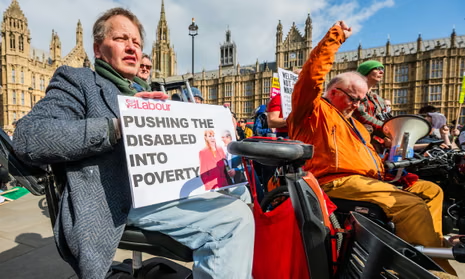
The Tribune Group: Labour’s Left-Wing Powerbase
The Tribune Group has long been a significant force within the Labour Party, representing its socialist and social democratic traditions. Named after the left-wing magazine founded in 1937, the group has historically been home to some of Labour’s most prominent progressive figures and has consistently advocated for policies aligned with traditional Labour values.
The group’s membership includes MPs who campaigned for Jeremy Corbyn’s leadership and those who have consistently pushed for more radical policies on issues such as public ownership, workers’ rights, and social justice.
Many within the Tribune Group have expressed frustration with what they perceive as Starmer’s abandonment of the progressive platform that helped Labour secure its recent electoral victory.
Sources close to the group indicate that discontent has been building for months, with particular anger focused on government decisions regarding public spending, relations with trade unions, and foreign policy positions.
The growing rebellion suggests that Starmer’s attempts to maintain party unity while governing from the center have failed to satisfy his party’s left flank.
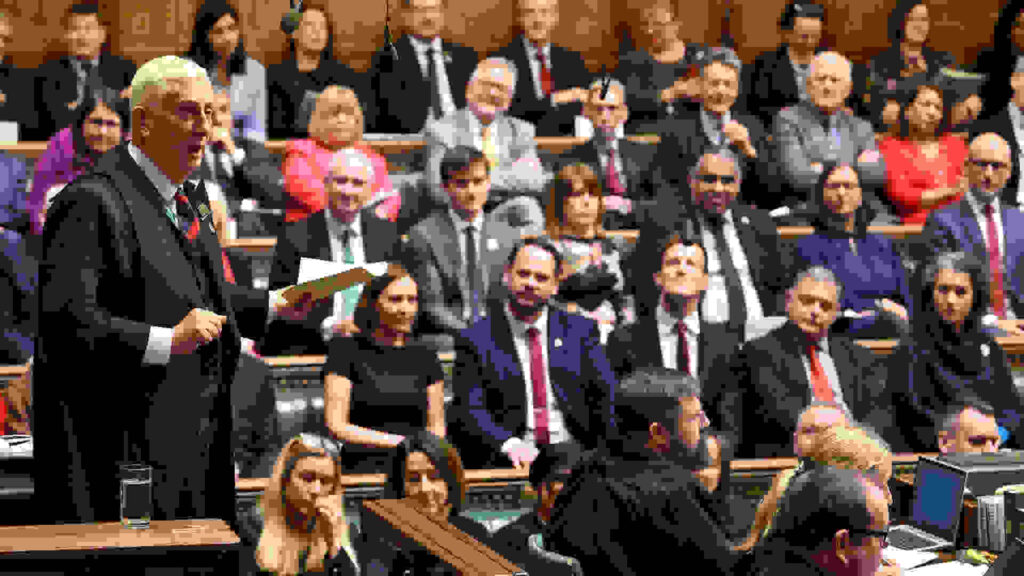
Key Points of Contention
Several policy areas have emerged as flashpoints in the dispute between Starmer’s leadership and the Tribune Group. Understanding these grievances is crucial to comprehending why such a significant number of Labour MPs would consider challenging a sitting Prime Minister from their own party.
Economic Policy and Austerity Concerns
One of the primary complaints from left-wing MPs centers on the government’s approach to public spending. Critics argue that Starmer has adopted fiscal policies that too closely mirror Conservative approaches, particularly regarding public sector investment and welfare spending.
The Tribune Group has consistently called for more ambitious spending programs to address issues such as NHS waiting lists, crumbling school infrastructure, and the cost-of-living crisis affecting millions of British families.
MPs within the group have expressed particular dismay at what they view as insufficient funding increases for public services, arguing that the government’s cautious approach betrays campaign promises made to voters.
They contend that with Labour’s substantial parliamentary majority, there is no excuse for timidity in addressing the country’s deep-seated social and economic challenges.
Foreign Policy Divisions
International affairs have also emerged as a significant source of tension within the Parliamentary Labour Party. The Tribune Group has voiced concerns about the government’s positions on various global conflicts and its relationship with international allies.
These MPs have called for a more independent foreign policy that prioritizes humanitarian concerns and aligns more closely with traditional Labour internationalism.
Particular controversy has surrounded the government’s approach to Middle Eastern affairs and its relationship with the United States. Left-wing MPs have argued for a more balanced stance on international disputes and greater emphasis on multilateral diplomacy through institutions like the United Nations.
Trade Union Relations
The relationship between the Labour government and trade unions—historically the party’s most important allies—has become increasingly strained. The Tribune Group includes many MPs with strong ties to the labor movement, and they have criticized what they perceive as the leadership’s distance from union concerns.
Disputes over public sector pay, industrial action, and workers’ rights have created tension between the government and unions representing millions of workers. Left-wing MPs argue that Labour must stand more firmly with working people and their representatives, rather than adopting what they characterize as an overly cautious approach designed to appeal to business interests.
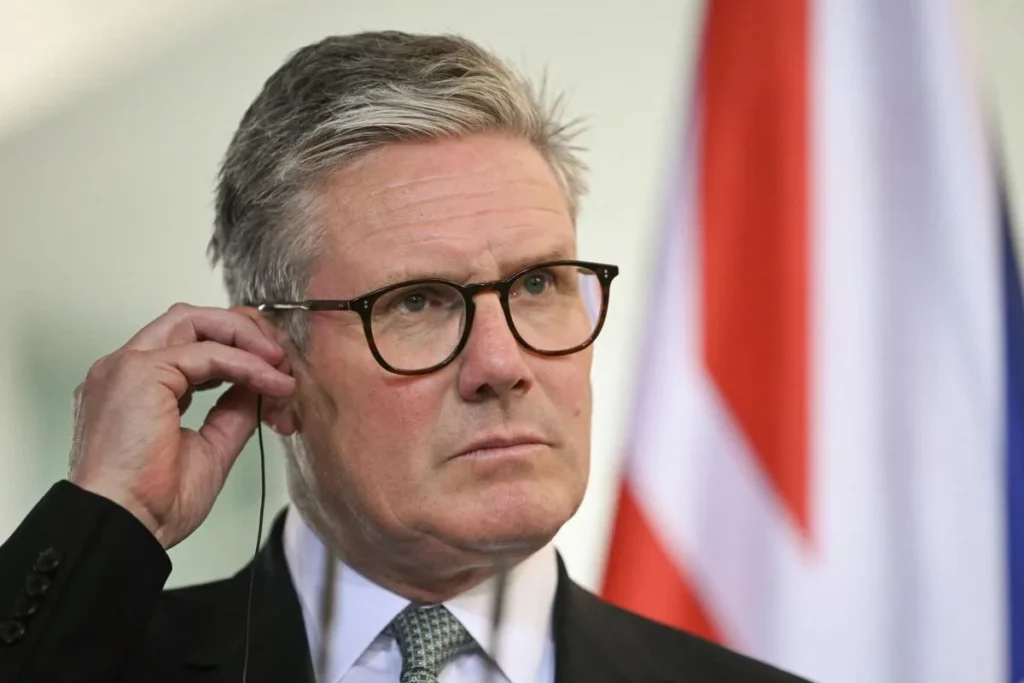
Historical Context: Labour’s Leadership Challenges
The Labour Party has a complex history of internal divisions and leadership challenges. Understanding this context is essential for appreciating the significance of the current situation and its potential implications for British politics.
The party has weathered numerous internal conflicts over the decades, from the battles between the Bennite left and the party establishment in the 1980s to the more recent tensions during the Blair and Brown years.
The election of Jeremy Corbyn as leader in 2015 represented a decisive victory for the party’s left wing, though his tenure was marked by constant internal strife and challenges from centrist MPs.
Starmer’s election in 2020 was seen by many as a return to more centrist politics, though he campaigned on a relatively progressive platform. His subsequent shift toward the political center, particularly on economic and social issues, has disappointed many who supported him based on his leadership campaign pledges.
The Constitutional Process
If the Tribune Group proceeds with a formal challenge, the process would unfold according to Labour Party rules. A challenger would need to be nominated by 20% of the Parliamentary Labour Party—the threshold that the group reportedly has already achieved. Once nominated, a leadership election would involve both MPs and party members.
The electoral college system used in Labour leadership elections gives significant weight to individual party members, who number in the hundreds of thousands. This means that even if a challenger secures the necessary parliamentary nominations, they would still need to win over the broader party membership to successfully unseat Starmer.
Related Post: Kemi Badenoch Presses Keir Starmer on Income Tax Plans in Budget
Political observers note that leadership challenges are risky ventures that can backfire on challengers. If Starmer were to win a leadership contest, his position would likely be strengthened, and those who challenged him could find themselves marginalized within the party.
However, the very existence of such a challenge would damage the Prime Minister’s authority and could weaken his government’s ability to implement its agenda.
Potential Challengers
Speculation has already begun about who might emerge as a challenger from the Tribune Group. Several prominent left-wing MPs have been mentioned as potential candidates, though none have publicly confirmed their intentions.
Any challenger would need to present themselves as a credible alternative Prime Minister while also appealing to Labour’s diverse coalition of supporters. They would need to articulate a clear vision that differentiates them from Starmer while avoiding the perception of being too radical for the British electorate.
The challenge for any potential rival is balancing the need to energize the party’s progressive base while maintaining appeal to the moderate voters who helped deliver Labour’s recent electoral success. This tension has defined Labour politics for decades and would be central to any leadership contest.
Government Response and Party Unity Concerns
Sources close to Starmer’s office have dismissed reports of an imminent challenge as “Westminster gossip” and have expressed confidence in the Prime Minister’s position.
Government ministers have publicly rallied around Starmer, emphasizing the importance of party unity and the need to focus on delivering for the British people rather than engaging in internal conflicts.
However, privately, concerns are growing within the leadership about the scale of discontent among backbench MPs. The government has already taken steps to address some of the concerns raised by left-wing MPs, including announcing reviews of certain policies and increasing engagement with the Tribune Group.
Party whips have reportedly been working overtime to shore up support for Starmer and to identify potential rebels before any formal challenge materializes. The leadership is acutely aware that even an unsuccessful challenge could significantly damage the government’s authority and credibility.
Implications for British Politics
The potential leadership challenge comes at a critical moment for British politics. With the country facing numerous domestic and international challenges, political instability within the governing party could have serious consequences for policy-making and public confidence in government.
Opposition parties have seized on reports of Labour infighting as evidence of dysfunction within the government. Conservative MPs have pointed to the potential challenge as proof that Labour remains divided and unfit for government, despite its recent electoral success.
Public Opinion and Electoral Consequences
Recent polling suggests that while Labour maintains a lead over opposition parties, public satisfaction with the government has declined since the initial honeymoon period following the election. Any prolonged internal conflict could further erode public confidence and affect Labour’s electoral prospects in future contests.
Voters typically punish parties that appear divided and focused on internal disputes rather than governing effectively. The Labour leadership is keenly aware of how Conservative infighting damaged that party’s standing with the electorate in recent years, and they are anxious to avoid a similar fate.
The Path Forward
As this situation develops, all eyes will be on the Tribune Group and whether they proceed with a formal challenge. The coming weeks will be crucial in determining whether this remains a threat or becomes a full-blown leadership crisis.
Several scenarios could unfold. The Tribune Group might use the threat of a challenge to extract policy concessions from Starmer without actually triggering a contest. Alternatively, they could proceed with a formal challenge, believing that the risk is worth taking to redirect the party’s course.
A third possibility is that the leadership could successfully defuse the situation through negotiation and compromise.
Whatever happens, this episode has exposed deep divisions within Labour that will not disappear quickly. Starmer faces the difficult task of maintaining unity in a party with diverse ideological perspectives while also trying to govern effectively and prepare for future electoral battles.
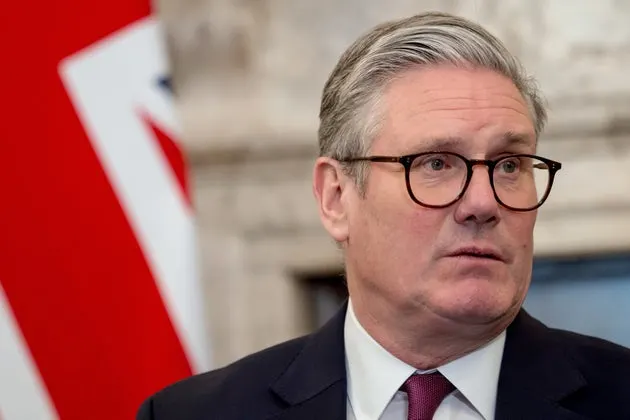
Conclusion
The reported move by the Tribune Group to challenge Sir Keir Starmer’s leadership represents one of the most significant internal threats faced by a sitting Labour Prime Minister in recent memory.
With the constitutional threshold apparently reached and tensions running high, the coming weeks could prove decisive for both Starmer’s political future and the direction of the Labour Party.
This situation underscores the enduring challenge facing Labour: how to balance its progressive traditions with the pragmatic requirements of governing and maintaining broad electoral appeal.
As the drama unfolds, it will provide a crucial test of Starmer’s political skills and the resilience of his government. The stakes could hardly be higher, not just for the individuals involved, but for the future of progressive politics in the United Kingdom.
Sources and References:
- Labour Party Constitution and Rules
- Parliamentary Labour Party records
- Westminster political correspondents
- Historical Labour Party archives
- UK polling organizations
This article was published on November 19, 2025, and reflects the most current information available at the time of publication.