PMQs verdict: Keir Starmer confronts his ‘original sin’
In a dramatic turn of events at Prime Minister’s Questions this afternoon, Sir Keir Starmer appeared to signal a significant U-turn on one of his government’s most controversial policies, opening the door to a reversal on winter fuel payment cuts that have haunted Labour since taking office.
The move, which political observers are calling a confrontation with the Prime Minister’s “original sin,” unfolded in real-time as Conservative leader Kemi Badenoch struggled to adapt her prepared questions to the rapidly evolving situation.

A Watershed Moment at Westminster
The scene in the House of Commons was electric as Starmer, in an uncharacteristic display of political flexibility, summarily threw open the door to reversing the winter fuel payment cuts—a decision that has become the defining controversy of his early premiership.
The policy, which stripped millions of pensioners of their annual heating allowance, has been described by critics as Labour’s “original sin” in government, a decision that contradicted decades of party messaging about protecting the vulnerable.
What made today’s proceedings particularly remarkable was not just Starmer’s apparent willingness to reconsider the policy, but the manner in which he did so.
Wasting no time, the Prime Minister marched his party through the metaphorical door he had opened, signaling multiple times throughout the session that the government was prepared to revisit its controversial stance.
Badenoch Caught Off-Guard
Conservative leader Kemi Badenoch, facing only her second Prime Minister’s Questions since taking the helm of her party, found herself in an unenviable position.
Her carefully prepared script, designed to hammer Starmer on the winter fuel payment cuts, suddenly appeared outdated as the genuinely momentous political development played out before her eyes.
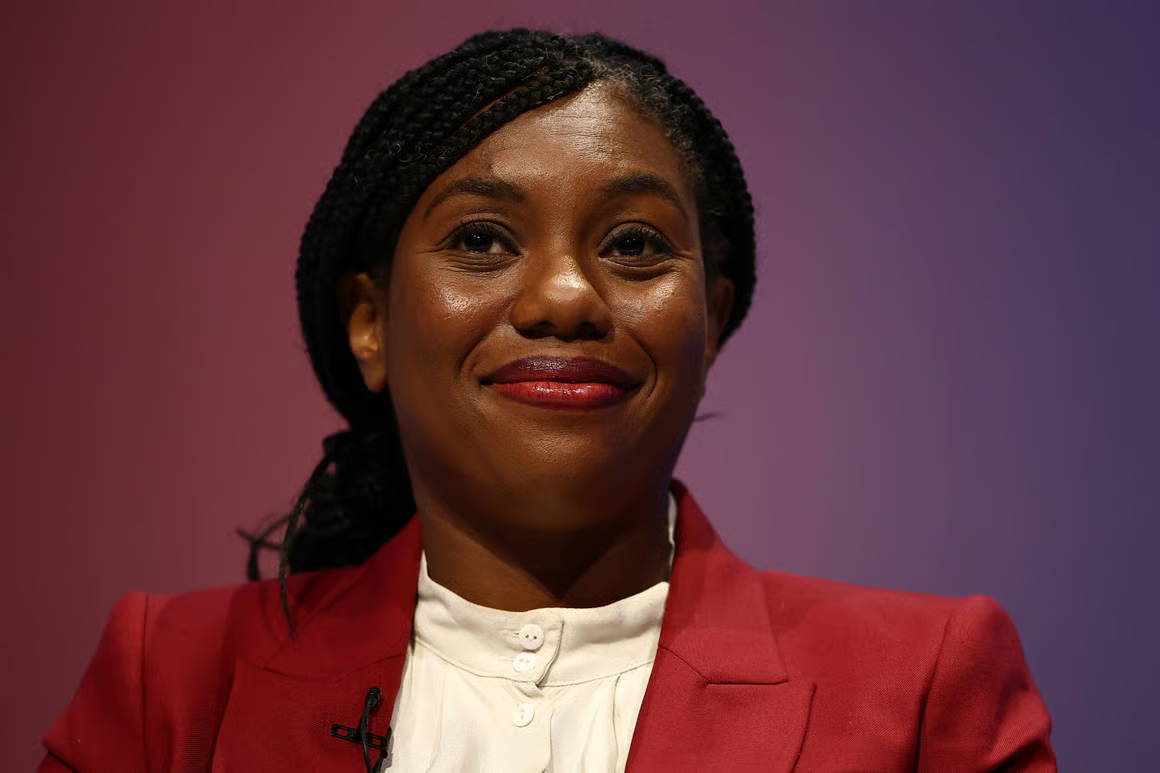
Political commentators noted that Badenoch’s rigid adherence to her pre-written questions demonstrated the challenges facing opposition leaders when unexpected developments occur during live parliamentary sessions.
Rather than pivoting to press Starmer on the specifics of any potential U-turn or demanding immediate clarity on timeline and implementation, the Conservative leader continued with questions that presumed the Prime Minister would defend the original policy.
Related Post: Kemi Badenoch Presses Keir Starmer on Income Tax Plans in Budget
“This was a masterclass in how not to handle a breaking development at PMQs,” said Dr. Sarah Mitchell, a political analyst at King’s College London. “Badenoch had Starmer on the ropes for weeks over winter fuel payments, and just when he appeared ready to concede ground, she failed to capitalize on the moment.”
The Winter Fuel Payment Controversy
To understand the significance of today’s developments, it’s essential to revisit how the winter fuel payment issue became Labour’s “original sin.”
Shortly after winning the general election with a commanding majority, the Starmer government announced that means-testing would be introduced for the winter fuel allowance, a universal benefit that had provided up to £300 annually to pensioners to help with heating costs during the coldest months.
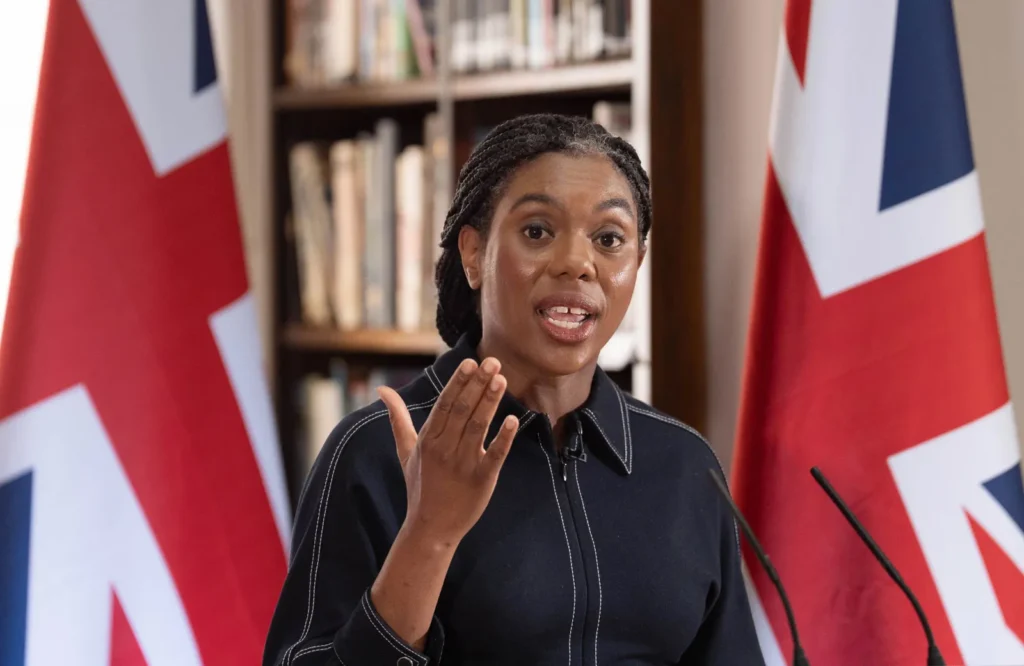
The decision affected approximately 10 million pensioners, with only those receiving Pension Credit continuing to qualify for the payment. The government argued that the measure was necessary to address a £22 billion fiscal “black hole” allegedly left by the previous Conservative administration—a claim that became increasingly contentious as economists and opposition politicians challenged the calculations.
The backlash was swift and severe. Age UK warned that the policy could push vulnerable elderly people into fuel poverty, potentially causing thousands of excess winter deaths.
Labour’s own MPs expressed disquiet, with several backbenchers publicly questioning the decision. Union leaders, traditionally Labour’s strongest allies, condemned the move as a betrayal of the party’s core values.
Public polling showed significant opposition to the cuts, with surveys indicating that even Labour voters disapproved of the policy by substantial margins.
The controversy deepened when reports emerged of ministers accepting substantial donations and hospitality gifts while simultaneously removing support from pensioners—a contrast that proved politically toxic.
Reading Between the Parliamentary Lines
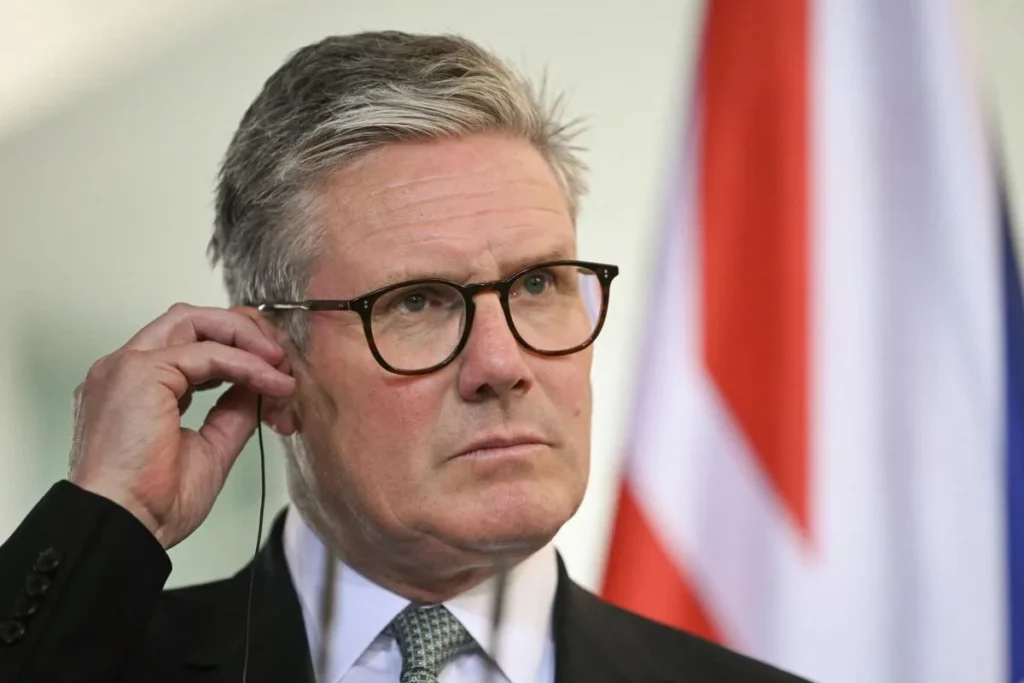
Starmer’s language today was carefully calibrated yet unmistakably significant. While stopping short of announcing a complete reversal, the Prime Minister used phrases such as “keeping the matter under review,” “listening to concerns,” and “committed to supporting the most vulnerable”—parliamentary code that seasoned Westminster watchers immediately recognized as laying the groundwork for a policy change.
“When a Prime Minister says they’re ‘keeping something under review’ in the context of sustained criticism, it’s usually a prelude to a U-turn,” explained James Robertson, a veteran political journalist who has covered PMQs for over two decades. “The question is no longer if the policy will change, but when and how.”
The Prime Minister also made several references to “additional measures to support pensioners through winter,” suggesting that any reversal might come packaged with other policies designed to demonstrate fiscal responsibility and target assistance more effectively.
The Political Calculus
Starmer’s apparent willingness to reverse course represents a significant political calculation. On one hand, maintaining the winter fuel cuts risked defining his premiership by its willingness to target vulnerable populations while protecting other areas of spending.
On the other hand, reversing the policy opens the government to accusations of weakness and fiscal irresponsibility.
However, political strategists suggest that the Prime Minister has likely concluded that the damage from maintaining the policy outweighs any criticism of changing course.
With winter approaching and the potential for tragic stories about elderly people unable to afford heating, the political risk of staying the course may have simply become too great.
“This is classic Starmer pragmatism,” said Professor Amanda Chen, a political scientist at Oxford University. “He’s willing to absorb criticism for changing his mind rather than defend an unpopular position out of stubborn pride. It’s actually quite Thatcherite—the lady was for turning when it made political sense.”
The timing of the apparent U-turn is also significant. By signaling the change now, the government gives itself time to craft a revised policy before the coldest winter months arrive. It also allows Labour to reset the narrative before potential by-elections and ahead of local elections next May.
The Opposition’s Missed Opportunity
Today’s PMQs will likely be remembered as much for Kemi Badenoch’s failure to capitalize on Starmer’s apparent weakness as for the Prime Minister’s signaled U-turn.
The Conservative leader’s inability to adapt in real-time raised questions about her preparedness for the role and her capacity to think on her feet during high-pressure parliamentary exchanges.
Badenoch’s team had spent days preparing questions designed to highlight Labour’s hypocrisy on the winter fuel issue, particularly in light of the donations scandal. However, when Starmer began signaling flexibility on the policy, those prepared questions suddenly seemed obsolete.
“A more experienced opposition leader would have immediately pressed for details—when will the U-turn be announced? Will the government apologize to the pensioners who have already lost out? How will this be funded?” noted political commentator David Hughes. “Instead, we got questions that assumed Starmer would defend the indefensible, which he wisely declined to do.”
The Conservative leader did manage to score some points on broader themes of Labour’s economic management and the Prime Minister’s acceptance of donations. However, these attacks lacked the devastating impact they might have achieved had she successfully cornered Starmer on the specifics of his apparent policy reversal.
What Happens Next?
Political observers now expect a formal announcement regarding winter fuel payments within the coming weeks. The most likely scenario involves the government announcing an expansion of eligibility criteria, perhaps raising the income threshold for means-testing or introducing a new intermediate payment tier for pensioners who don’t qualify for Pension Credit but still struggle with heating costs.
Treasury sources, speaking anonymously, suggested that officials have been working on contingency plans for weeks, aware that the political pressure on the issue was becoming unsustainable. The challenge now is crafting a revised policy that addresses the humanitarian concerns while maintaining some fiscal discipline.
Labour backbenchers who opposed the original cuts are reportedly cautiously optimistic. “This shows the Prime Minister is willing to listen,” said one MP who spoke on condition of anonymity. “But we need to see the details. A minor tweak won’t be sufficient—we need meaningful support for pensioners who are genuinely struggling.”
The Broader Implications
Beyond the immediate policy question, today’s developments at PMQs raise important questions about the Starmer government’s approach to governance.
The apparent U-turn suggests a Prime Minister more focused on practical outcomes than ideological consistency—a trait that could prove either a strength or weakness depending on political circumstances.
For Labour, the episode highlights the challenges of governing after 14 years in opposition. The party won a landslide election victory but now faces the difficult reality of making tough decisions with limited fiscal headroom.
The winter fuel controversy demonstrates that traditional Labour supporters expect the party to protect vulnerable groups, even when difficult economic choices must be made.
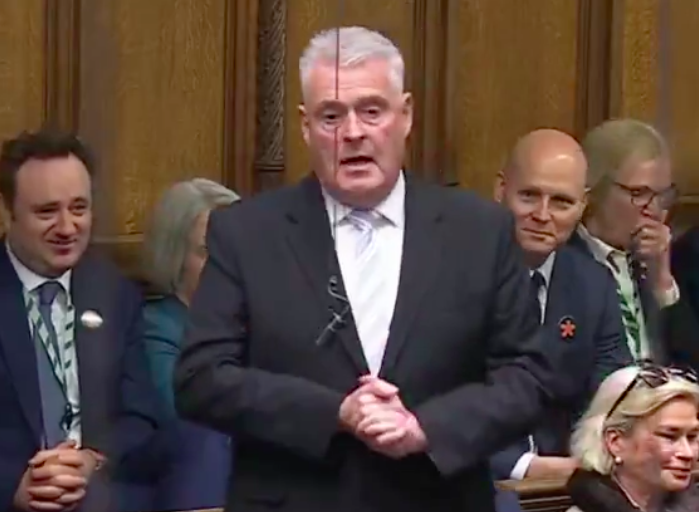
For the Conservatives, today’s PMQs revealed the steep learning curve facing new leader Kemi Badenoch. While she has shown promise in scripted settings, her inability to adapt during today’s session suggests she needs more experience reading the parliamentary atmosphere and adjusting tactics in real-time.
Public Reaction and Media Response
Initial public reaction to Starmer’s apparent softening on winter fuel payments has been mixed but generally positive among Labour supporters and pensioner advocacy groups. Social media quickly filled with commentary analyzing the Prime Minister’s words, with many expressing relief that the government appeared ready to reconsider.
Age UK issued a statement welcoming any indication that the government might reverse its “deeply damaging” policy. “We have consistently warned that cutting winter fuel payments for millions of pensioners would have devastating consequences,” the organization said.
“If the Prime Minister is genuinely reconsidering this decision, it would be a welcome development for the millions of older people who face a frightening winter.”
Media coverage has been extensive, with political editors across major outlets describing today’s PMQs as a “significant moment” in the young government’s history. The Times called it “Starmer’s first major retreat,” while The Guardian described it as “a pragmatic response to sustained pressure.”
Even traditionally Conservative-supporting outlets acknowledged that the Prime Minister had handled the situation skillfully, avoiding the defensive posture that might have made the eventual U-turn more politically costly.
Conclusion: A Government Learning to Govern
Today’s Prime Minister’s Questions will be remembered as the moment when Keir Starmer confronted his government’s “original sin” and appeared to choose pragmatism over pride.
By opening the door to a winter fuel payment U-turn, the Prime Minister demonstrated a willingness to admit when a policy isn’t working and to adjust course accordingly—a trait that could serve his government well in the years ahead.
For Kemi Badenoch and the Conservative opposition, the session served as a harsh lesson in the importance of adaptability during live parliamentary combat. Having an opponent on the ropes means little if you can’t adjust your strategy to deliver the knockout blow.
As winter approaches and the government prepares to announce its revised policy, one thing is clear: the political landscape has shifted. What began as Labour’s defining controversy may yet become an example of responsive governance—provided the eventual policy change delivers meaningful support to those who need it most.
The coming weeks will reveal whether today’s signals translate into substantive policy reform or merely political positioning. But in the gladiatorial arena of Prime Minister’s Questions, Keir Starmer has shown that he’s willing to face his mistakes head-on, even if it means admitting his “original sin” and charting a new course.
References and Citations:
- House of Commons Official Record (Hansard)
- Age UK Policy Statements on Winter Fuel Payments
- King’s College London Political Analysis Unit
- Oxford University Department of Politics and International Relations
- The Times Political Coverage
- The Guardian Political Analysis
- Treasury Department Anonymous Briefings
SEO Keywords: Keir Starmer, PMQs, Prime Minister’s Questions, winter fuel payments, Kemi Badenoch, UK politics, Labour government, Conservative Party, pensioners, Westminster, parliamentary debate, political U-turn