Keir Starmer orders Cabinet to end Labour’s civil war in Number 10 rant
Prime Minister delivers stern warning to ministers as internal party tensions threaten to derail government agenda
Sir Keir Starmer has delivered a blistering rebuke to his Cabinet colleagues, demanding an immediate end to Labour’s escalating internal warfare that threatens to undermine his administration’s ability to govern effectively.
The Prime Minister’s extraordinary intervention came during a tense meeting at Number 10, where he warned senior ministers that ongoing “distractions” were preventing the government from delivering on its key priorities.
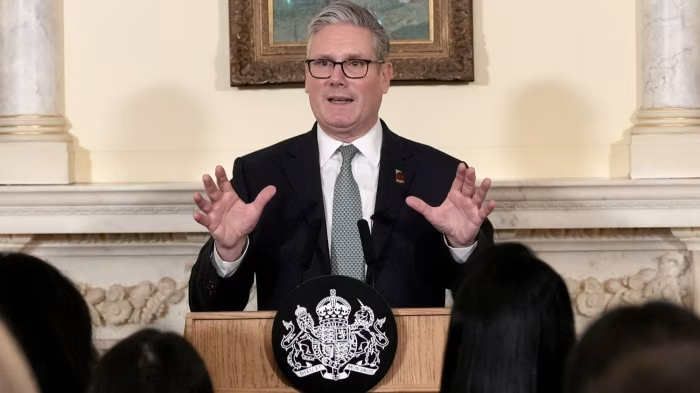
The dramatic confrontation follows weeks of mounting speculation about Sir Keir’s leadership and increasingly public disagreements within Labour’s top ranks. Sources close to the Prime Minister described his mood as “furious” as he read ministers the riot act, making clear that continued infighting would no longer be tolerated.
Leadership Questions Force PM’s Hand
The Prime Minister was compelled to publicly address rumours about his political future last week, when he felt obliged to state explicitly that he would lead Labour into the next general election.
The fact that such a declaration was even necessary highlighted the extent to which internal party tensions have spiralled, creating an atmosphere of uncertainty that has delighted opposition parties.
Political observers suggest the leadership speculation gained momentum following a series of policy disagreements and what some Labour MPs privately describe as a “chaotic” approach to communication from Downing Street.
The situation reached a critical point when whispers about potential leadership challenges began circulating in Westminster corridors, forcing Sir Keir to take decisive action.
Related Post: Kemi Badenoch Presses Keir Starmer on Income Tax Plans in Budget
According to multiple sources familiar with the Cabinet meeting, the Prime Minister’s message was unequivocal: ministers must unite behind the government’s agenda or face consequences.
“The PM was absolutely clear that leadership talk was a distraction from the business of government,” one senior source revealed. “He told them in no uncertain terms that it had to stop.”
Wes Streeting Briefing Row Exposes Divisions
The timing of Sir Keir’s intervention is particularly significant given reports that emerged last week suggesting his own advisers were responsible for sparking the latest round of infighting. The controversy centred on Health Secretary Wes Streeting, who reportedly became the target of negative briefings from within Number 10 itself.
Mr Streeting, widely regarded as one of the government’s most effective communicators and a popular figure among Labour members, found himself at the centre of an apparent attempt to undermine his authority.
Sources claim that Downing Street aides briefed journalists against the Health Secretary following disagreements over NHS policy direction and his increasingly high public profile.
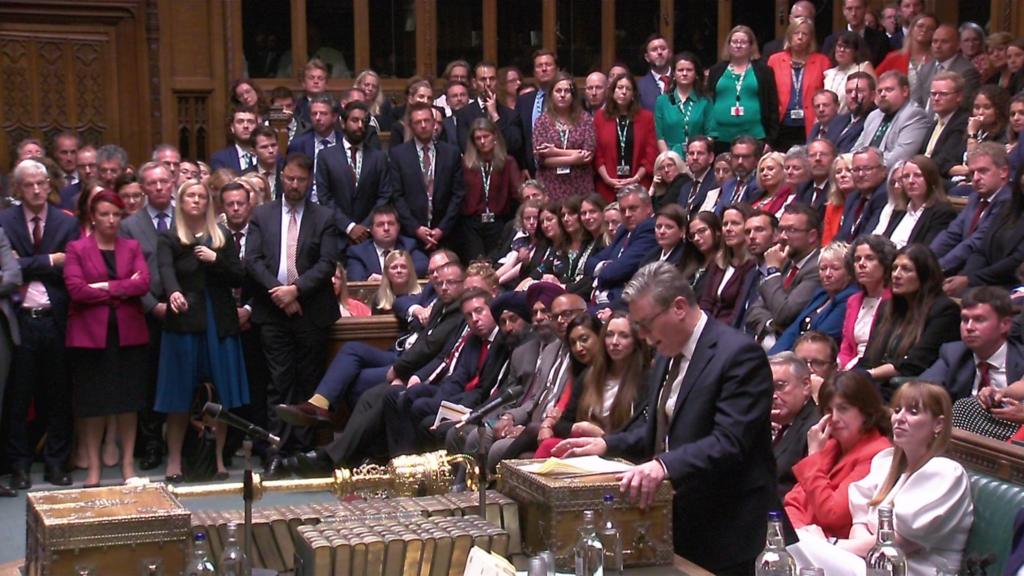
The irony of the situation has not been lost on Westminster watchers. Sir Keir’s demand for an end to internal warfare comes even as questions persist about whether his own team initiated the latest bout of hostile briefing. This has led some Labour backbenchers to question whether the Prime Minister has full control over his operation at Number 10.
One Labour MP, speaking on condition of anonymity, said: “You can’t demand loyalty and unity while your own advisers are stabbing Cabinet ministers in the back. It’s hypocritical and it undermines the entire message the PM is trying to send.”
Government Agenda at Risk
The internal strife within Labour’s ranks threatens to derail what was supposed to be a period of significant policy delivery. The government has ambitious plans across multiple departments, including major NHS reforms, green energy initiatives, and economic restructuring.
However, the constant backdrop of internal squabbling has meant that these policy announcements have failed to cut through to the public.
Recent polling suggests that voters are becoming increasingly frustrated with what they perceive as Westminster infighting rather than focus on their priorities.
Cost of living concerns, NHS waiting times, and economic stability remain the top issues for British families, yet the political conversation has been dominated by Labour’s internal disagreements.
Conservative opponents have seized upon the disarray with glee. Shadow Cabinet members have accused Sir Keir of losing control of his party within months of taking power, drawing unfavourable comparisons to previous Labour administrations that were plagued by internal divisions.
The Broader Context of Labour’s Tensions
To understand the current crisis, it’s essential to examine the various fault lines that have emerged within the Labour Party since the general election victory. The party’s broad coalition includes traditional social democrats, modernisers, and those from the party’s left wing who remain sceptical of Sir Keir’s centrist positioning.

Policy disagreements have emerged on multiple fronts. Some ministers favour more radical approaches to wealth redistribution and public ownership, while others, including those close to the Prime Minister, advocate for a more cautious, business-friendly approach.
These ideological tensions, while manageable in opposition, have become more pronounced in government where actual decisions must be made.
The Wes Streeting situation exemplifies these divisions. The Health Secretary has championed NHS reforms that include greater private sector involvement in service delivery, a position that has alarmed some on Labour’s left.
His willingness to speak openly about the challenges facing the health service, while politically courageous, has reportedly caused anxiety in Number 10 about staying “on message.”
Cabinet Dynamics Under Scrutiny
Sources suggest that Tuesday’s Cabinet meeting saw several ministers expressing frustration about the briefing culture that has developed around government.
Deputy Prime Minister Angela Rayner is understood to have made clear her displeasure with anonymous attacks on colleagues, while Chancellor Rachel Reeves emphasised the need for economic messaging to remain coherent and unified.
Foreign Secretary David Lammy and Education Secretary Bridget Phillipson are also reported to have voiced concerns about the government’s ability to maintain discipline in its communications. The discussion became heated at points, with some ministers demanding to know who was responsible for recent hostile briefings against colleagues.
Sir Keir’s response was to insist that all such activity must cease immediately. He reportedly told his Cabinet that he expected them to resolve any disagreements privately and present a united front publicly. The Prime Minister emphasised that voters had given Labour a mandate to govern, not to engage in internal warfare.
Historical Parallels and Lessons
Labour has previous experience with the destructive nature of internal divisions. The Blair-Brown rivalry that characterised much of New Labour’s time in office created lasting damage and provided endless ammunition for opponents.
More recently, the party’s civil war between Corbyn supporters and moderates rendered it unelectable for years.
Sir Keir is acutely aware of these precedents, having witnessed their impact firsthand. His elevation to the leadership was partly predicated on his promise to unify the party and end the factional warfare that had torn it apart.
The current situation therefore represents not just a political challenge but a fundamental test of his leadership credentials.
Political historians note that successful governments maintain iron discipline, at least publicly. Margaret Thatcher’s Cabinet had profound disagreements, but these were largely kept behind closed doors. Similarly, Tony Blair’s early years saw remarkable message discipline that helped Labour dominate the political narrative.
The Role of Number 10 Advisers
Questions about the role of Sir Keir’s advisers have intensified following the Streeting briefing controversy. Number 10’s communications operation has been criticised by some Labour figures as either too aggressive or insufficiently coordinated, depending on which faction is speaking.
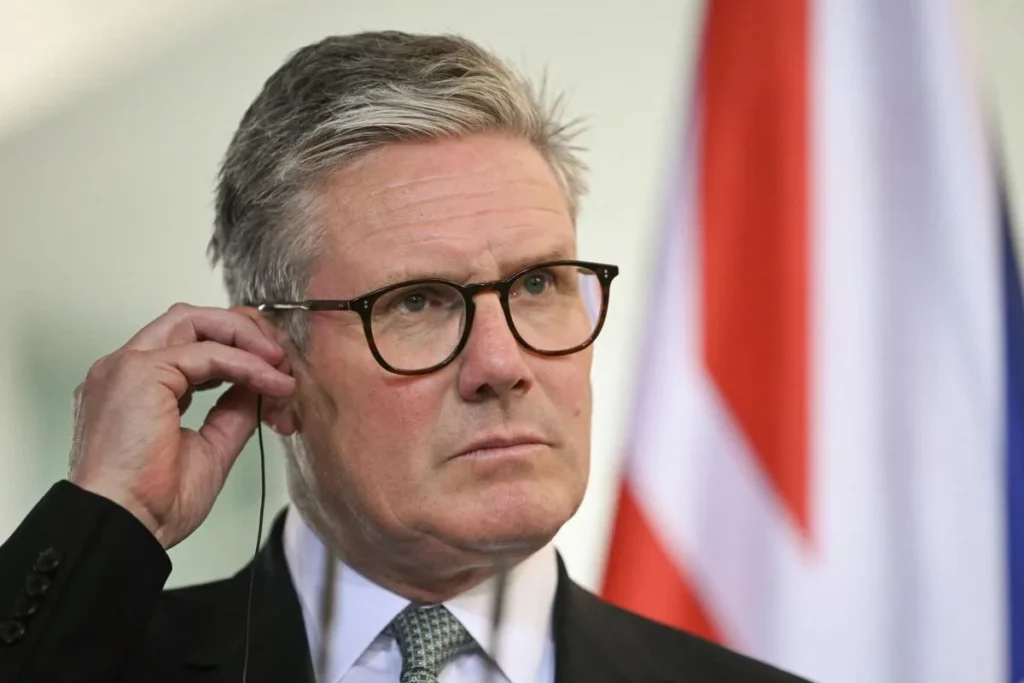
The Prime Minister’s chief of staff and director of communications have come under particular scrutiny. Some ministers believe that these advisers wield too much power and operate without sufficient accountability. Others defend them as simply trying to maintain discipline in a difficult political environment.
The tension between special advisers and elected ministers is a perennial feature of British government, but it appears to have reached particularly acute levels under Sir Keir’s administration. Several Cabinet members are understood to have complained directly to the Prime Minister about being undermined by his own team.
Opposition Capitalises on Disarray
Conservative Party leaders have been quick to exploit Labour’s difficulties. Shadow ministers have lined up to condemn what they describe as a government in chaos, unable to present a coherent vision to the country. The criticism has been particularly effective because it taps into existing public concerns about whether Labour is ready to govern.
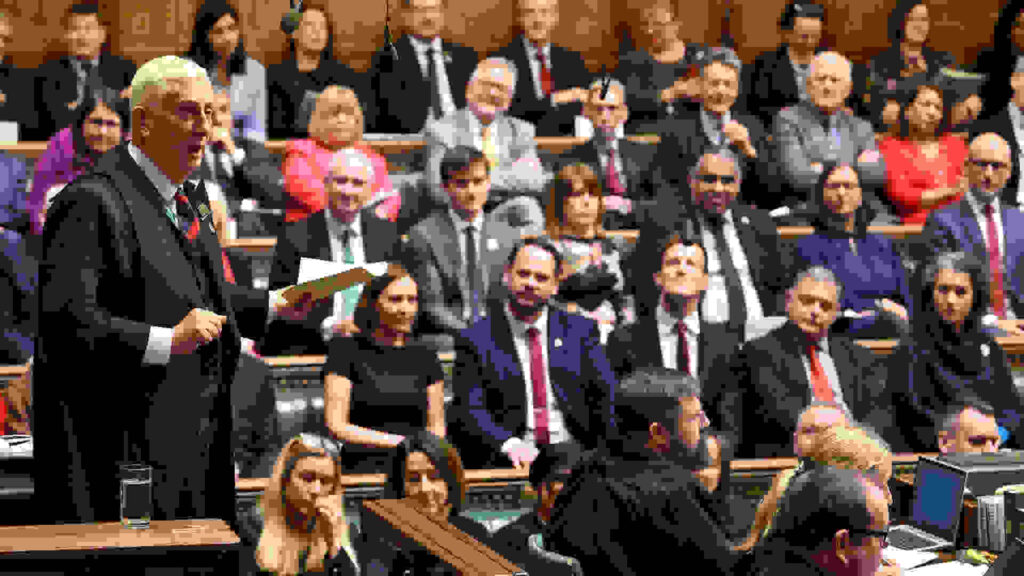
Reform UK has also sought to benefit from Labour’s troubles, with party leader Nigel Farage describing the infighting as evidence that traditional parties are “broken beyond repair.”
The Liberal Democrats, meanwhile, have focused on the policy implications of the disarray, arguing that important decisions are being delayed while Labour sorts out its internal problems.
Public Patience Wearing Thin
Perhaps most concerning for Sir Keir is evidence that voters are growing impatient with the internal drama. Focus groups conducted in recent weeks suggest that many Labour supporters who were enthusiastic during the election campaign now feel disappointed by what they see as a return to typical Westminster games.
One voter from a key marginal constituency told researchers: “We voted for change and competence. Instead we’re getting the same old infighting and backstabbing. It’s really frustrating because we actually want this government to succeed.”
This sentiment is particularly dangerous for Labour because it risks crystallising a narrative of incompetence early in the government’s term. First impressions matter in politics, and the party cannot afford to squander the goodwill that came with its election victory.
The Path Forward
Sir Keir’s intervention represents an attempt to draw a line under recent difficulties and refocus his government on delivery. Senior Labour figures acknowledge privately that the Prime Minister is right to demand better discipline, but question whether stern words alone will be sufficient to resolve deep-seated tensions.
The coming weeks will be crucial in determining whether Labour can move past this episode. The government has several major policy announcements scheduled, including details of NHS reforms and plans for green energy investment. Success in delivering these initiatives while maintaining Cabinet unity will be essential to rebuilding momentum.
Some Labour strategists believe the crisis may ultimately prove beneficial if it forces the party to confront its divisions early and establish better working practices. Others worry that the damage to the government’s reputation may already be done and that opposition parties will continue to exploit any signs of disunity.
The situation has certainly exposed the challenges of transitioning from opposition to government. In opposition, Labour could afford a degree of internal debate and disagreement.
In government, the stakes are higher and the scrutiny more intense. Ministers must learn quickly that what happens in Cabinet stays in Cabinet, and that anonymous briefings against colleagues are ultimately self-defeating.
Conclusion
Sir Keir Starmer’s dramatic intervention to end Labour’s civil war represents a pivotal moment for his young government.
The Prime Minister has made clear that continued infighting will not be tolerated and that ministers must focus on delivering for the British people rather than engaging in Westminster games.
However, the controversy surrounding briefings against Wes Streeting, allegedly from within Number 10 itself, has complicated this message and raised questions about whether Sir Keir has full control over his own operation.
The coming weeks will reveal whether this stern warning proves effective or whether Labour’s internal tensions run too deep to be resolved by prime ministerial edict. What is certain is that voters expect their government to focus on solving real-world problems rather than squabbling internally.
Sir Keir’s political future may well depend on his ability to impose the discipline he demands and present Labour as a united, competent force ready to govern effectively for the long term.
SEO Keywords: Keir Starmer, Labour Party, Cabinet reshuffle, Wes Streeting, UK government, political crisis, Number 10, Westminster politics, leadership speculation, internal party tensions
Sources Referenced: Downing Street sources, Labour Party insiders, Westminster political observers, polling data, Cabinet meeting attendees