The Duke of York faces mounting pressure to contribute financially as the monarchy modernizes its approach to royal privileges and perks
Prince Andrew’s use of prestigious royal amenities under scrutiny amid broader cost-cutting measures
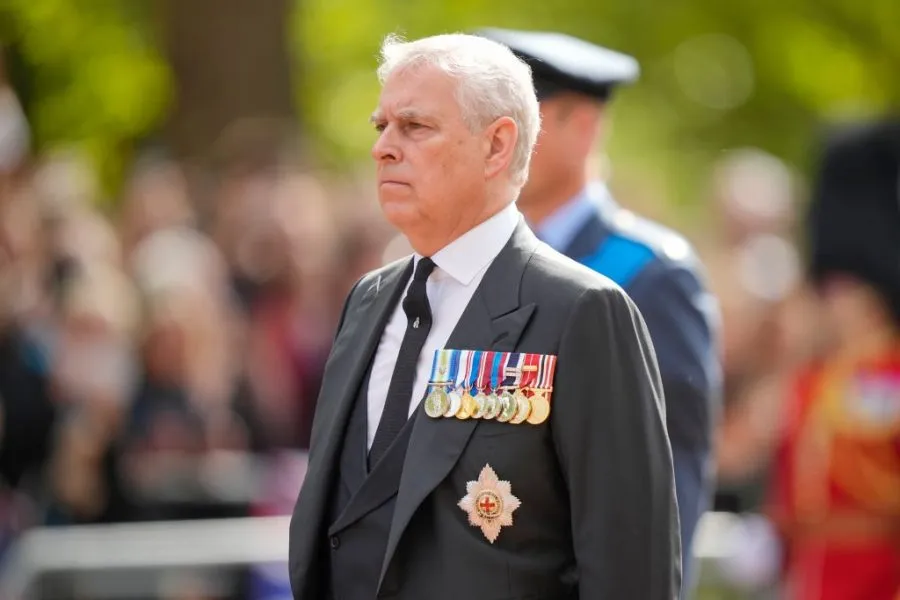
The British Royal Family finds itself embroiled in yet another controversy as Prince Andrew, the Duke of York, faces demands to pay for his access to one of the monarchy’s most coveted privileges—the Royal Box at various prestigious venues across the United Kingdom. This latest development marks another chapter in the ongoing saga surrounding the disgraced royal, whose public standing has been severely diminished in recent years.
The Royal Box: More Than Just Premium Seating
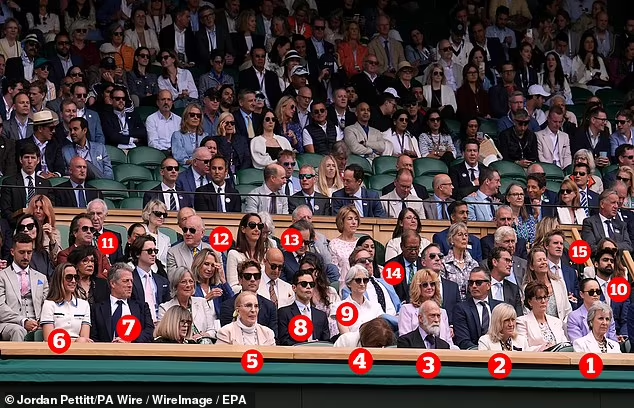
The Royal Box, a symbol of prestige and privilege spanning centuries, has traditionally been reserved for members of the Royal Family and their specially invited guests at events ranging from Wimbledon tennis championships to Royal Ascot horse racing, and from theatrical performances at the Royal Opera House to sporting events across the nation. These exclusive viewing areas represent some of the most sought-after seats in Britain, offering unparalleled views, privacy, and the cachet of rubbing shoulders with royalty.
According to palace insiders who spoke on condition of anonymity, the issue has become a point of significant contention within royal circles as King Charles III continues his mission to streamline the monarchy and reduce unnecessary expenditure. The new approach represents a dramatic shift from the traditional understanding that such privileges were simply part and parcel of royal life, regardless of one’s working status within The Firm.
Andrew’s Diminished Role Sparks Financial Reckoning
Prince Andrew’s situation is particularly complex given his effective removal from public royal duties following the Jeffrey Epstein scandal and the subsequent settlement of a civil sexual abuse case in the United States, which he has consistently denied. Despite stepping back from official engagements in 2019, the Duke has reportedly continued to enjoy various royal perks, including access to the Royal Box at multiple venues—a situation that palace officials now deem untenable.
“The King has been crystal clear about his vision for a slimmed-down monarchy,” revealed a source close to the royal household. “This naturally extends to who benefits from royal privileges and at whose expense. Working royals who represent the Crown deserve these benefits. Those who have stepped back cannot expect to maintain the same level of access without contributing financially.”
The move comes as part of King Charles’s broader efforts to modernize the monarchy and address public concerns about the cost of maintaining the royal establishment at a time when millions of Britons struggle with the cost-of-living crisis. The timing is particularly sensitive, with recent polls suggesting that public support for the monarchy, while still strong, has shown signs of erosion, especially among younger demographics.
The Price of Prestige: What Royal Box Access Really Costs
Industry experts estimate that Royal Box access at premium events can be worth tens of thousands of pounds annually. At Wimbledon alone, where the Royal Box holds approximately 74 seats, the equivalent market value for a single seat during the championships could command upwards of £5,000 to £10,000 when considering the entire tournament. Similar premium access at Royal Ascot, where the Royal Enclosure represents the pinnacle of social prestige, carries comparable valuations.
“These aren’t just seats; they’re status symbols that come with a level of service, catering, and exclusivity that money typically cannot buy,” explained luxury events consultant Miranda Pemberton. “For corporate clients and high-net-worth individuals, the opportunity to occupy the Royal Box represents the ultimate badge of social achievement. The fact that it’s been essentially free for certain royals while others pay premium prices for far inferior access creates an obvious inequity.”
The revelation has sparked debate about the broader question of royal financing and privilege in contemporary Britain. Royal commentators note that the situation mirrors earlier controversies, including disputes over who should pay for security for non-working royals and the ongoing saga surrounding Prince Andrew’s residence at Royal Lodge in Windsor Great Park.
Royal Lodge: The Bigger Battle
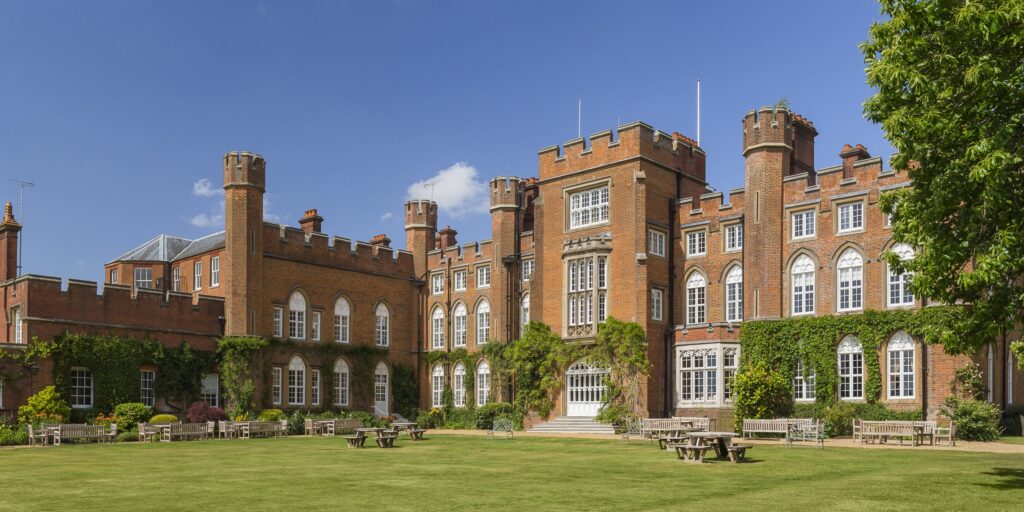
The Royal Box controversy cannot be viewed in isolation from Prince Andrew’s ongoing dispute over his Windsor residence. The Duke currently occupies the 30-room Royal Lodge on a long-term lease, paying approximately £260 per week—a fraction of the property’s estimated market value. King Charles has reportedly urged his younger brother to relocate to the more modest Frogmore Cottage, the former residence of Prince Harry and Meghan Markle, as part of his cost-cutting measures.
Prince Andrew has resisted these efforts, insisting he has a valid lease agreement that runs until 2078 and that he has invested significant personal funds into maintaining the Grade II-listed property. However, questions remain about whether the Duke possesses sufficient financial resources to maintain such an extensive property following the loss of his official income and the reported multi-million-pound settlement paid to Virginia Giuffre.
“The Royal Lodge situation and the Royal Box issue are two sides of the same coin,” observed royal historian Dr. Eleanor Hartley. “They both speak to the question of what Prince Andrew’s status really is in 2025. Is he still a working member of the Royal Family entitled to royal perks, or is he effectively a private citizen who happens to have been born into royalty? The King appears determined to establish that it’s the latter.”
Public Opinion and the Cost of Monarchy
The timing of this controversy is particularly significant given ongoing public discourse about royal finances. The Sovereign Grant, which funds the official duties of the monarch and working royals, increased to £86.3 million for 2023-2024, with further increases expected as the ten-year Buckingham Palace renovation project continues.
Recent polling by YouGov suggests that while 62% of Britons still support the monarchy, there is growing concern about royal expenditure, with 47% of respondents indicating they believe the Royal Family receives too much public funding. Among younger demographics aged 18-24, support for the monarchy drops to just 33%, with many questioning the relevance of hereditary privilege in modern Britain.
“Public perception matters enormously,” noted constitutional expert Professor James Whitfield from King’s College London. “Every revelation about royals enjoying expensive privileges while not contributing to the nation through official duties chips away at public support. King Charles understands this, which is why he’s taking action—even when it involves his own brother.”
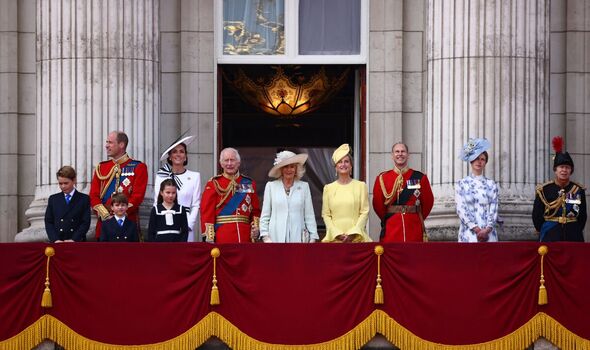
The controversy has also reignited debates about which royals should be considered “working royals” and therefore entitled to public funding and privileges. Currently, only a handful of royals undertake official duties on behalf of the Crown, including King Charles, Queen Camilla, Prince William, Princess Catherine, Princess Anne, Prince Edward, and Sophie, the Duchess of Edinburgh.
The Status Symbol Economy
Beyond the immediate royal controversy, the situation has highlighted the broader phenomenon of “status symbol economics”—the way prestigious access and exclusive experiences have become commodified in contemporary society. Marketing experts note that Royal Box access represents what they term “experiential luxury”—something that cannot simply be purchased but must be granted, making it even more desirable.
“We’re living in an era where experiences trump possessions for many affluent individuals,” explained luxury brand consultant Sophia Chen. “A photograph of yourself in the Royal Box at Wimbledon or Ascot carries more social currency than almost any material purchase. It signals not just wealth but connection, influence, and social acceptance at the highest levels.”
This phenomenon extends beyond Britain, with similar dynamics at play at prestigious events worldwide, from the Monaco Grand Prix to the Met Gala. However, the Royal Box carries particular significance due to its direct connection to the British monarchy and its centuries-old traditions.
The commercialization of such access has created a complex marketplace where corporations pay substantial sums for the privilege of hosting clients in premium locations, even if they fall short of the actual Royal Box. Hospitality packages at Wimbledon’s Centre Court, for instance, can cost upwards of £30,000 for a private box for the finals, while Royal Ascot hospitality packages in facilities adjacent to the Royal Enclosure command similar prices.
Precedents and Comparisons
The situation with Prince Andrew is not without precedent in royal history. When King Edward VIII abdicated in 1936 to marry Wallis Simpson, questions immediately arose about his financial arrangements and what privileges he would retain. Similarly, when Princess Diana divorced Prince Charles in 1996, complex negotiations determined which royal perks she would keep and which would be relinquished.
More recently, the departure of Prince Harry and Meghan Markle from working royal life in 2020 established new parameters for non-working royals. The couple agreed to repay the £2.4 million of public funds used to renovate Frogmore Cottage and confirmed they would not use their HRH titles while pursuing commercial ventures. They also lost access to royal privileges, including official security funded by the taxpayer.
“Each generation faces these questions anew,” noted royal biographer Andrew Morton. “The difference now is the level of public scrutiny and the expectation of transparency. The Royal Family cannot simply make decisions behind closed doors and expect public acquiescence. Everything must be justified in terms of value for money and fairness.”
International Perspectives
The British situation contrasts sharply with other European monarchies, many of which have embraced more modest approaches to royal privilege. The Swedish Royal Family, for instance, announced in 2019 that only direct heirs to the throne would retain royal titles and receive public funding, effectively privatizing other family members. The Netherlands and Norway have implemented similar reforms.
“Britain is actually behind the curve on this,” observed European royal correspondent Helena Chard. “Other monarchies recognized years ago that maintaining relevance in the 21st century requires demonstrating value and restraint. The British Royal Family has been slower to adapt, partly because of its unique position in British national identity and partly because of its substantially greater wealth and holdings.”
The Path Forward
As the controversy continues to unfold, palace officials are reportedly working on a comprehensive framework that would clearly delineate which privileges are available to which royals and under what circumstances. This framework is expected to draw sharp distinctions between working royals who actively represent the Crown and non-working family members who pursue private lives.
Related Post: 1 MIN AGO: King Charles STRIKES BACK at Starmer — UK Politics in TOTAL SHOCK!
For Prince Andrew specifically, sources suggest that he may be offered a compromise: limited access to royal facilities for significant family events and occasions where his presence as the King’s brother is deemed appropriate, but with an expectation that he contribute financially for personal use of premium facilities like the Royal Box.
“This is about establishing clear principles that can be applied consistently,” explained a palace source. “It’s not personal to Andrew, even though he’s the immediate focus. It’s about ensuring the monarchy operates transparently and fairly in the modern era.”
The Duke of York’s representatives have declined to comment on the specific allegations regarding Royal Box access, though sources close to Andrew suggest he believes he is being unfairly targeted as part of a broader campaign to further diminish his status within the family.
Watch on YouTube
Conclusion: A Monarchy in Transition
The Royal Box controversy, while seemingly focused on the relatively narrow issue of premium seating access, actually represents something far more significant: a monarchy grappling with its identity and purpose in an age of accountability and transparency. King Charles’s determination to address these issues head-on, even when they involve his own brother, demonstrates a recognition that the institution’s survival depends on its ability to evolve.
As Britain navigates economic challenges and social change, every aspect of royal privilege will face scrutiny. The question is no longer whether certain traditions will be questioned, but rather how the monarchy will respond to those questions. For Prince Andrew, the message appears clear: the days of automatic entitlement to royal perks without corresponding contributions or duties are coming to an end.
Whether this approach will ultimately strengthen the monarchy or accelerate calls for more radical reform remains to be seen. What is certain is that the royal status symbols of the past are being reexamined through the lens of present-day values—and not everyone will emerge from that examination with their privileges intact.